Perfume And Celebration: The Hidden Decor Ingredient That Seizes The Mood
Indian festivals are enhanced by scent, evoking nostalgia and emotion. Fragrances like sandalwood, jasmine, and spices complement decorations, creating a festive atmosphere.
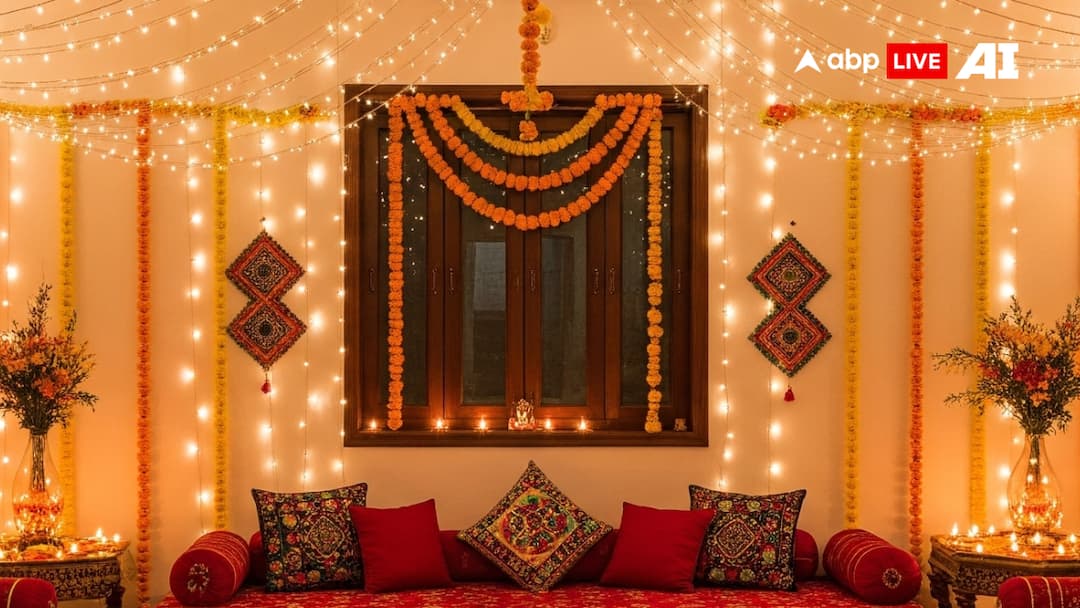
Indian festivals are both ceremonial and emotional. Twinkling lights, newly painted houses, and people flocking together with hope. In the middle of all of that, though, there is something that goes ignored, but it makes all the difference in the way everything else feels, the sense of smell. The smell a house picks up during Navratri, Diwali, or Eid is enough to make it even more inviting, nostalgic, and celebratory.
Consider it. When you walk into a diyas and marigold garland-adorned room, the impact is doubled if the fragrance has undertones of sandalwood, rose, or spice. Aroma does not occupy space, it embodies mood. The light sweetness of jasmine conjures up a puja corner serenity. A whiff of cinnamon or clove becomes instant festivity when the guests are arriving. Citrus or fresh mint possesses the ability to penetrate the richness of holiday fried foods and leave a room feeling light and airy.
This is the thing about fragrance: it functions on an emotional level. For science, our sense of smell is inextricably connected with memory and mood. This is the reason why a scent of ghee lamps or incense will send us back in a moment to the childhood celebrations of our time, reminding us of the long days helping our grandparents in setting up the puja thali. The appropriate scent is a thread that stitches past celebrations to current times, turning moments familiar yet enchanting.
Throughout Navratri, every puja or garba night can be complemented with an aroma ritual — rose or mogra scent for devotion serenity, or fresh herb scents to recharge energy after dancing. In Diwali, more luxurious, sensual perfumes like oud, cinnamon, or vanilla close the sense of luxury and coziness. And at Eid, rose, amber, or musk bring sophistication and close-knit relationships into family gatherings.
Aroma in homes today is also employed as decoration. Strategically deployed diffuser, burning fragrant candle, or potpourri bowl isn't merely scented — it's decor. Blending perfume in rooms is no different from dressing in color or texture: puja room may employ sandalwood, living room something hot and spicy, and bedrooms lavender or chamomile for sleeping. Combined, they create a home that not only smells festive but also comes alive with it.
As Rosemoore's Director, Ridhima Kansal has this to say: "Fragrance is the intangible décor element of holidays. Candles and flowers tantalize the eyes, but fragrance pleases the heart. It makes a house a home of warmth, welcome, and memory — and that's what provides celebrations with completeness."
And so whereas lights, fabric, and flowers are the external markers of celebration, perfume is the invisible cloak that completes it. It's what takes a house from merely dressed up to bona fide celebratory. This year, don't just think about how your home will look — think about how it will smell. For long after candles have dripped and chocolates have been eaten, it's the smell that lingers in the mind.

Top Headlines