6 Incredible Freedom Struggle Relics To See This Independence Day 2025
Explore 6 remarkable relics from India’s freedom struggle preserved in museums. From Gandhi’s garment to INA currency, explore Independence Day 2025 history treasures.

India's independence was possible only through courage, sacrifice, and stories that are now etched into rare artefacts. This Independence Day 2025, uncover six extraordinary relics, each preserved in museums across the country that bring history to life. These artefacts are not just silent witnesses to history; they carry the spirit of the movement that shaped modern India. Explore 7 remarkable relics from India’s freedom struggle preserved in museums, from shackles of the Kakori heist to INA letters and Gandhi's blood-stained garment.
ALSO READ: Independence Day Rangoli: 6 Easy Designs To Try At Home And Office On 15 August
1. 30 kg Iron Shackles And Death Warrants: Jail Museum, Lucknow
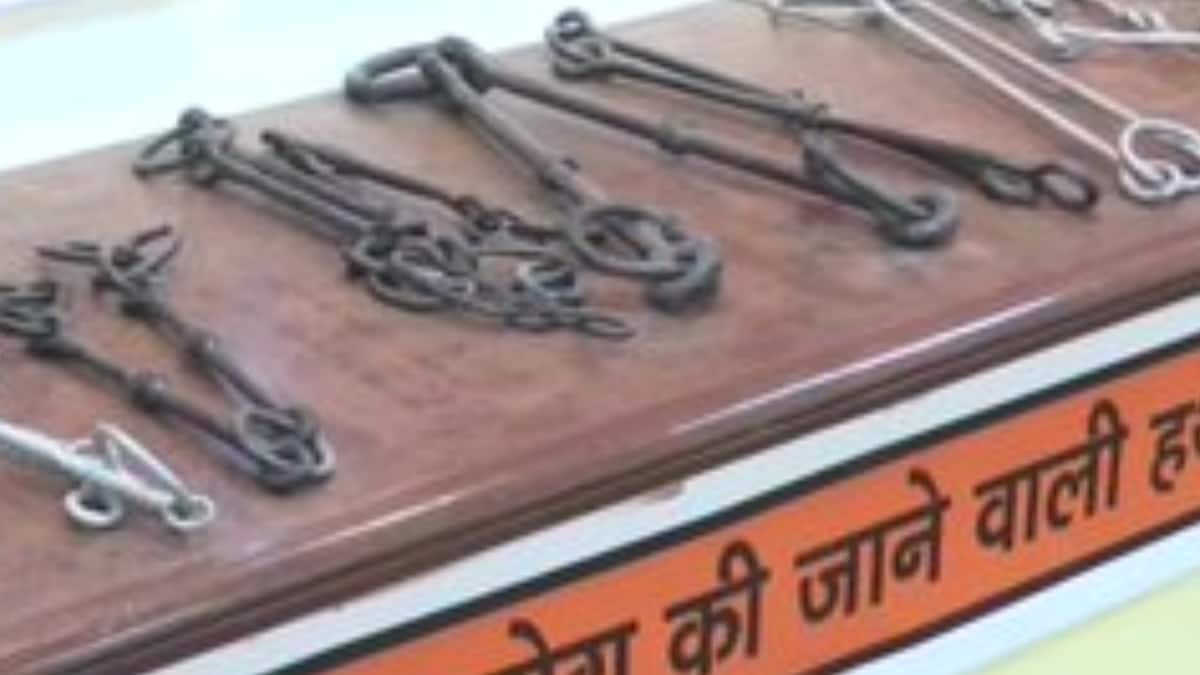
The Jail Museum house some of the most chilling relics from India's revolutionary past. Some of these relics include the massive 30 kg iron shackles used to restrain freedom fighters, and the original death warrants for revolutionaries like Ram Prasad Bismil and Ashfaqulla Khan. These heavy chains were not just instruments of physical restraint, but also symbols of brutal oppression faced by those who dared to challenge the British Raj. The museum also preserves letters and jail records, offering a rare, unfiltered glimpse into the final days of the Kakori martyrs. These huge and heavy shackles is a haunting reminder of the physical and emotional pain endured by those who fought for India’s liberation.
2. INA Currency, Badges And Letters: INA War Museum, Moiran
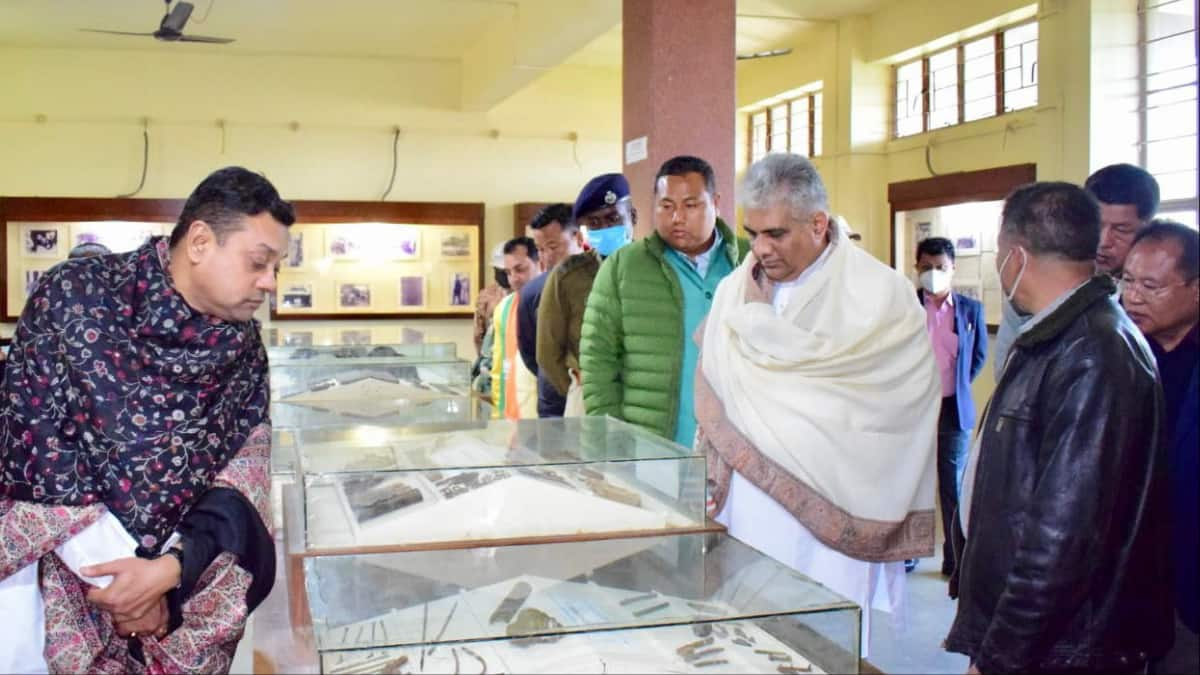
Moirang in Manipur is a small town where stands the INA War Museum. This museum is home to rare artefacts from Subhas Chandra Bose’s Indian National Army. Among its most prized possessions are INA-issued currency notes, military badges, and handwritten letters exchanged between soldiers. Visiting this place feels like stepping back into a chapter of history. The currency, printed in denominations for use in liberated territories, stands as a symbol of the INA’s vision for an independent India. It's a must-see for anyone passionate about uncovering hidden gems from India’s independence movement.
3. Gandhi’s Blood-Stained Garment And Personal Letters: Gandhi Memorial Museum, Madurai

Few artefacts capture the emotional weight of the freedom struggle like the blood-stained garment worn by Mahatma Gandhi when he was assassinated in 1948. This piece of cloth, preserved in the Gandhi Memorial Museum in Madurai, is a silent yet powerful testimony to the price of peace and non-violence. Alongside it are Gandhi’s personal letters, written in his distinctive style, offering intimate insights into his philosophy, political strategies, and personal reflections. This museum serves as a deeply moving place that connects visitors directly to Gandhi’s life and work.
4. The Pistol Of Shaheed Bhagat Singh: Martyrs' Memorial, Punjab
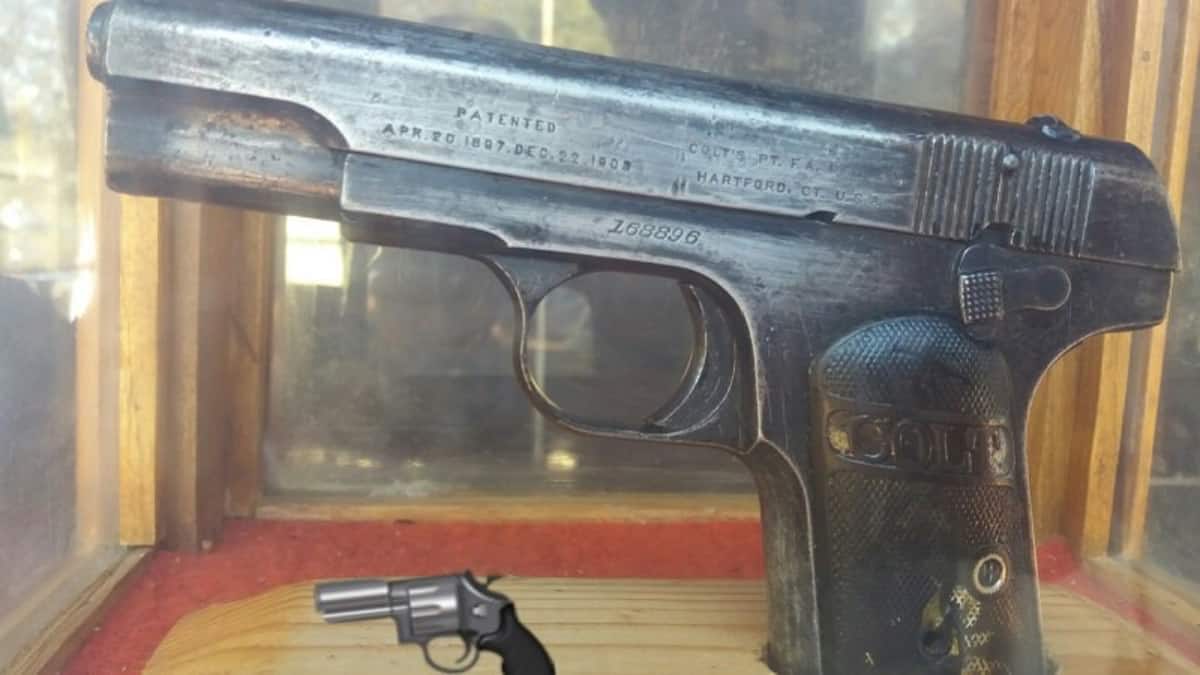
One of the most powerful relics of India’s revolutionary history is the .32 calibre Colt automatic pistol used by Shaheed Bhagat Singh. He used it during the assassination of British officer J.P. Saunders in 1928. This act was carried out to avenge the death of nationalist leader Lala Lajpat Rai, who succumbed to injuries inflicted during a police lathi charge. The pistol is now preserved in Martyrs' Memorial in Hussainiwala, Ferozepur, Punjab. Standing before it, visitors often feel the gravity of Bhagat Singh’s courage, conviction, and sacrifice. The museum also houses court records and investigation files related to the case, giving history enthusiasts a rare chance to explore the story beyond the legend.
5. The Azad Hind Fauj Uniform: Netaji Bhawan, Kolkata
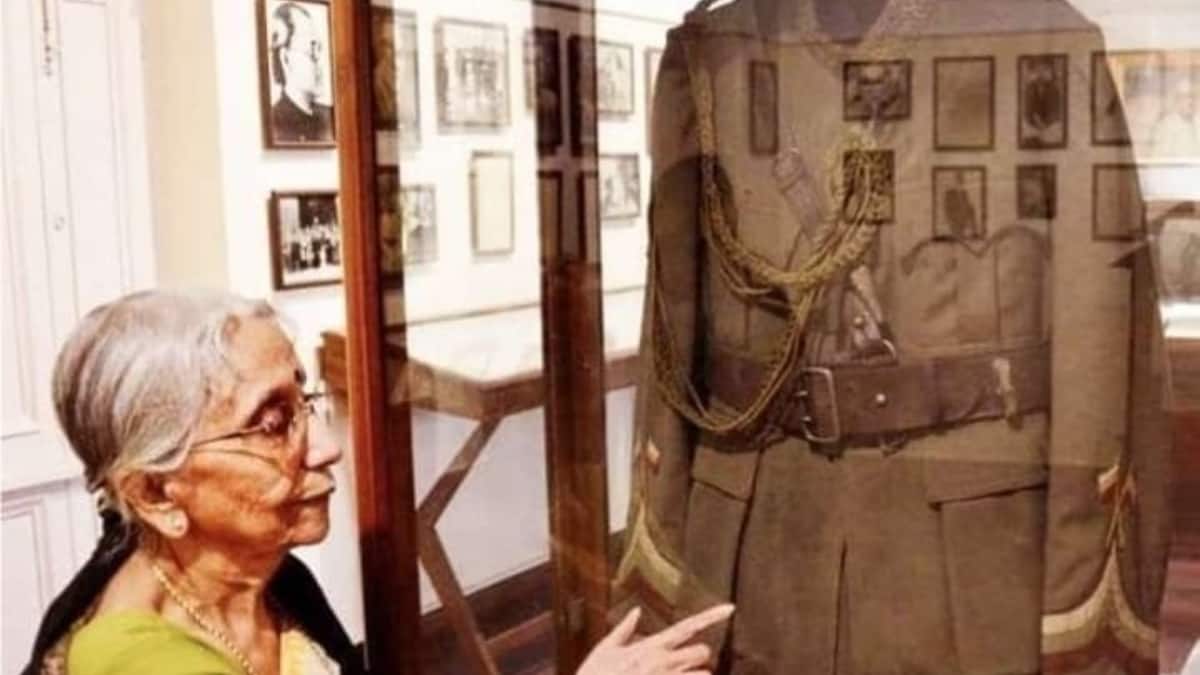
The military uniform worn by soldiers of the Azad Hind Fauj is preserved in several museums across India. One such museum is the Netaji Bhawan on Elgin Road in Kolkata. Each piece of this uniform, worn at that time, represents courage, sacrifice, and the dream of an India free from colonial rule. These uniforms, often displayed alongside boots, caps, and belts, tell the story of young men and women who left everything behind to join Bose’s army. The detailing, such as insignia and badges, provides a tangible link to the INA’s organisational structure and military vision.
6. Chapekar Brothers’ Pistols: Pune Museum
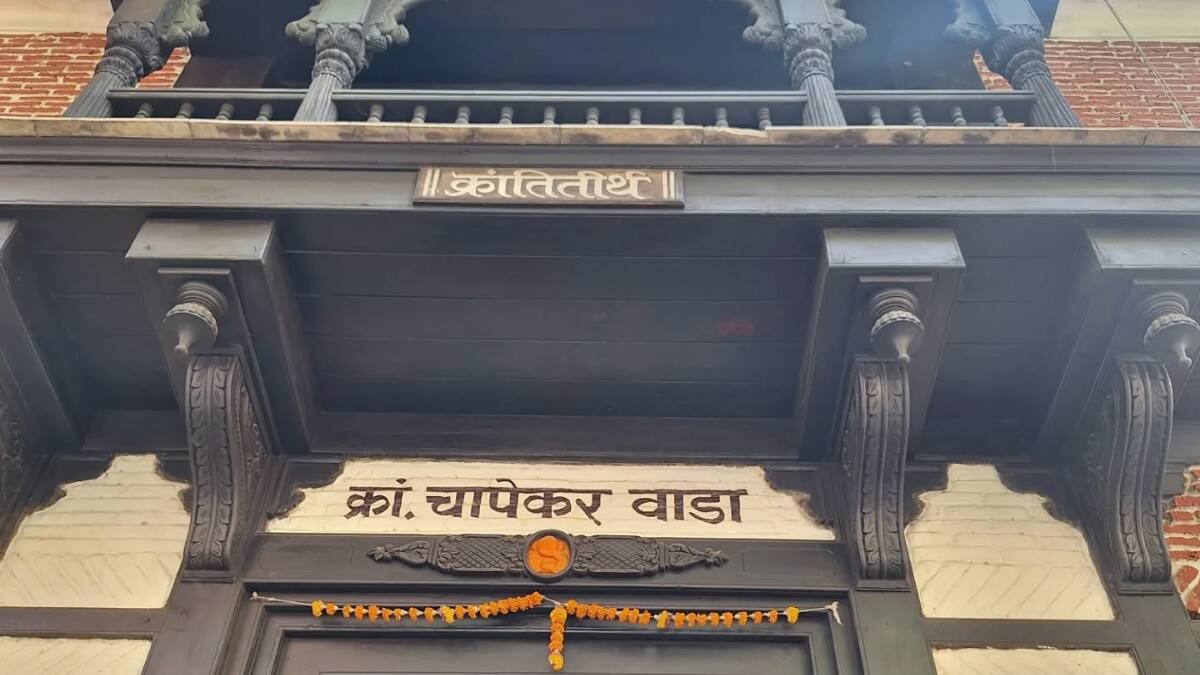
At the Raja Dinkar Kelkar Museum in Pune, visitors can see the pistols used by the Chapekar brothers. These pistols was used in the assassination of British officer W.C. Rand in 1897. The brothers’ act was one of the earliest sparks of armed resistance against British rule. The pistols, preserved with care, are more than just weapons. They are historic witnesses to a turning point that inspired a generation of revolutionaries.

Top Headlines