




Brain-derived neurotrophic factors reduce cocaine relapse
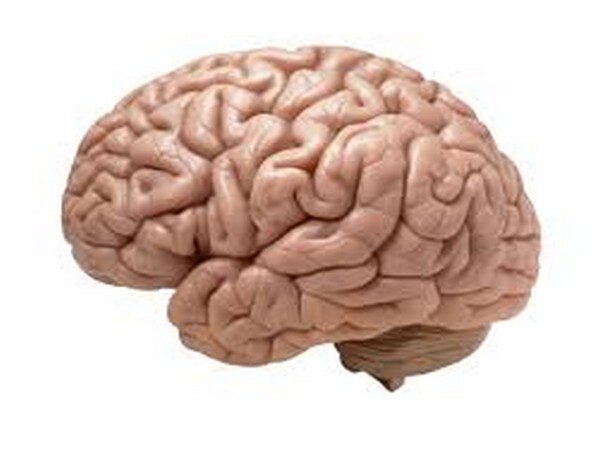
Washington DC [USA] Aug 04 (ANI): Cocaine relapse can now be significantly reduced with the help of brain-derived neurotrophic factor (BDNF).
Researchers at the Medical University of South Carolina (MUSC) found that Cocaine relapse was significantly reduced in a preclinical model when BDNF is applied to the nucleus accumbens deep in the brain immediately before the cocaine-seeking behavior.
"We discovered that a very common protein in the brain has an additional significant role in addiction relapse," said a lead researcher Ana-Clara Bobadilla.
The nucleus accumbens is a tiny cluster of nerve cells deep in the brain. Although small, this region plays a critical role in reward-seeking behaviors. It signals from other parts of the brain to drive reward-motivated behaviors.
The researchers found that BDNF has both a time- and location-dependent beneficial role when administered before a cue-induced relapse event.
In the preclinical model of cocaine addiction, rats were allowed to self-administer cocaine while hearing an auditory cue. The rats learned to associate the cue with the reward of cocaine and continue to self-administer when hearing the cue. In the extinction phase, the rats were not allowed access to cocaine or the cue associated with the drug.
In the last phase, called reinstatement, the rats seek out cocaine upon hearing the cue previously associated with cocaine administration. The drug-seeking behavior that the rats display is similar to how drug cues induce craving in humans and thus are more likely to relapse. Examples of such cues are visiting a neighborhood in which drugs were previously bought or seeing a friend with whom they took drugs.
Addiction researchers are currently studying the function of proteins already present in the brain in an effort to find ways to overcome relapse in strong addictions.
As low serum BDNF levels are seen in cocaine-dependent patients compared to non-addicts, researchers sought a better understanding in regard to the connection between BDNF and cocaine relapse.
"An important aspect of this study is that while others have shown that BDNF is important for establishing the state of addiction, we find that can also be used to reverse addiction," said another researcher Peter Kalivas.
"This exemplifies that the primary effect of BDNF is to promote changes in the brain and that this capacity to change the brain contributes to how people get addicted, but also can be harnessed to remove brain pathologies such as drug addiction," Kalivas added.
The findings show that applying BDNF to the nucleus accumbens immediately before the reinstatement phase, when the rats are once again seeking cocaine due to cue exposure, greatly reduces relapse. "The most exciting realization is that this protein has a very fine-tuned effect and can be timing dependent," says Bobadilla. This means that by changing the location of BDNF administration in the brain, as well as the timing of the treatment, it can have differing impacts on cocaine relapse.
This discovery opens doors to further investigation with BDNF and the nucleus accumbens in particular, as it is currently not known how BDNF suppresses cocaine addiction relapse.
This finding also raises a question as to whether BDNF application in the nucleus accumbens or other brain regions, can reduce other addictions.
Researchers also found that the BDNF - nucleus accumbens connection is included in the reward circuit but remains specific to drug rewards, since BDNF did not stop food-seeking behaviors, which also activate the reward circuitry. This demonstrates that BDNF's inhibitory role in seeking is specific to drugs of abuse.
"What we are doing with these studies is mapping the brain. There are plenty of uncharted territories in our understanding of neurobiology and with this work, we provided results to fill in one of those unknown questions," added Bobadilla.
The study appears in the Addiction Biology journal. (ANI)
This story has not been edited. It has been published as provided by ANI
Top Headlines






