Vietnam Greenlights Elon Musk's Starlink Trial Amid Global Satellite Internet Race
Vietnam has capped the number of Starlink subscribers at 600,000 throughout the testing period.
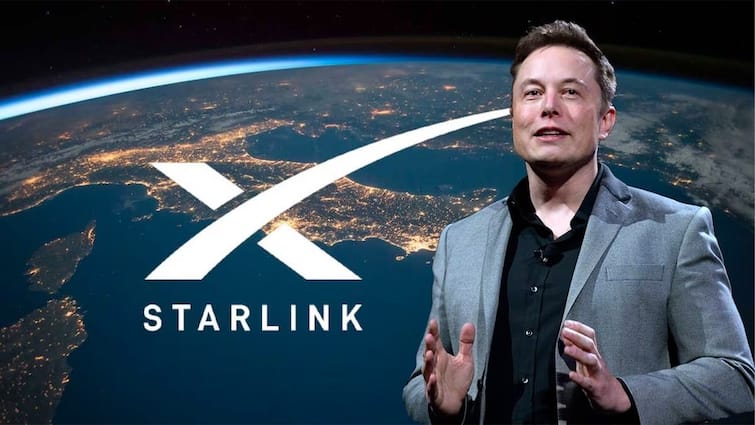
Vietnam is set to welcome SpaceX’s Starlink satellite internet service on a trial basis, marking a significant step in the country’s push for enhanced connectivity. The government announced on Wednesday that there will be no restrictions on foreign ownership of the service, with the trial phase set to continue until the end of 2030.
A Strategic Move Amid Trade Considerations
The decision to permit the US-based satellite internet provider is viewed by analysts as a strategic maneuver to strengthen economic ties with Washington. Some experts suggest this could be part of Vietnam’s broader efforts to maintain favorable trade relations and potentially avoid US tariffs.
While the approval for Starlink’s trial is now official, it remains unclear whether SpaceX has formally applied for a license to operate in the country. Starlink, which is already functional in over 120 markets globally, will be allowed to offer both fixed and mobile services, including in-flight internet access.
Limited User Base During Trial Phase
As part of the trial conditions, Vietnam has capped the number of Starlink subscribers at 600,000 throughout the testing period.
This limitation will enable authorities to assess the impact and effectiveness of the service before making long-term policy decisions.
India’s Approach to Satellite Internet Regulation
Meanwhile, in India, regulatory authorities are weighing a more controlled rollout of satellite broadband. The Telecom Regulatory Authority of India (TRAI) is expected to recommend that satellite internet services initially focus on mobile dark zones — regions lacking traditional network coverage.
This regulatory stance comes amid growing concerns from major telecom players like Bharti Airtel and Reliance Jio, who fear that international satellite providers such as Starlink and Amazon’s Kuiper could disrupt urban telecom markets without participating in traditional spectrum auctions.
Currently, satellite broadband remains a premium service due to high costs and the inability of standard mobile devices to directly connect to satellite networks. However, as technology advances, this landscape may evolve. TRAI aims to maintain regulatory flexibility to accommodate future innovations in satellite communications.
With Vietnam embracing satellite broadband and India carefully navigating its regulatory approach, the competition in the global satellite internet sector is heating up, setting the stage for a transformative shift in global connectivity.

Top Headlines