Missed Last Planetary Parade? Catch February's Celestial Spectacle – When, Where & How to See It
Missed January's planetary parade? February 2025 offers another celestial spectacle. Discover when, where & how to catch Venus, Jupiter, Mars, Mercury, Saturn, and more in the evening sky!

In January 2025 the world witnessed an astonishing view in the sky when all the planets came in a row of 180 degrees and made it look like a parade in the sky. This celestial phenomenon is one of the rarest occurrences of the planets when most of the planets of our solar system come in a straight line. Recently this happened on January 25th and it was seen worldwide. But, there is good news for people who missed this as this planetary parade is happening again.
Throughout February 2025, the evening sky will play host to a dazzling display as five of our solar system’s brightest planets—Venus, Jupiter, Mars, Mercury, and Saturn—make their appearance. Adding to the excitement, the more elusive Uranus and Neptune will also be within reach for keen observers. Later in the month, if you have a clear, unobstructed view of the horizon, you might even see all five bright planets stretching across the sky. The show’s highlight comes on Monday, Feb. 24, when Mercury and Saturn appear especially close together.
While it’s not unusual to see two, three, or even four at once, opportunities like this won’t come around often—until a similar pre-dawn event in late October 2028. In February 2025, however, you only need to step outside at dusk to enjoy the full spectacle.
Venus: The Evening Beacon
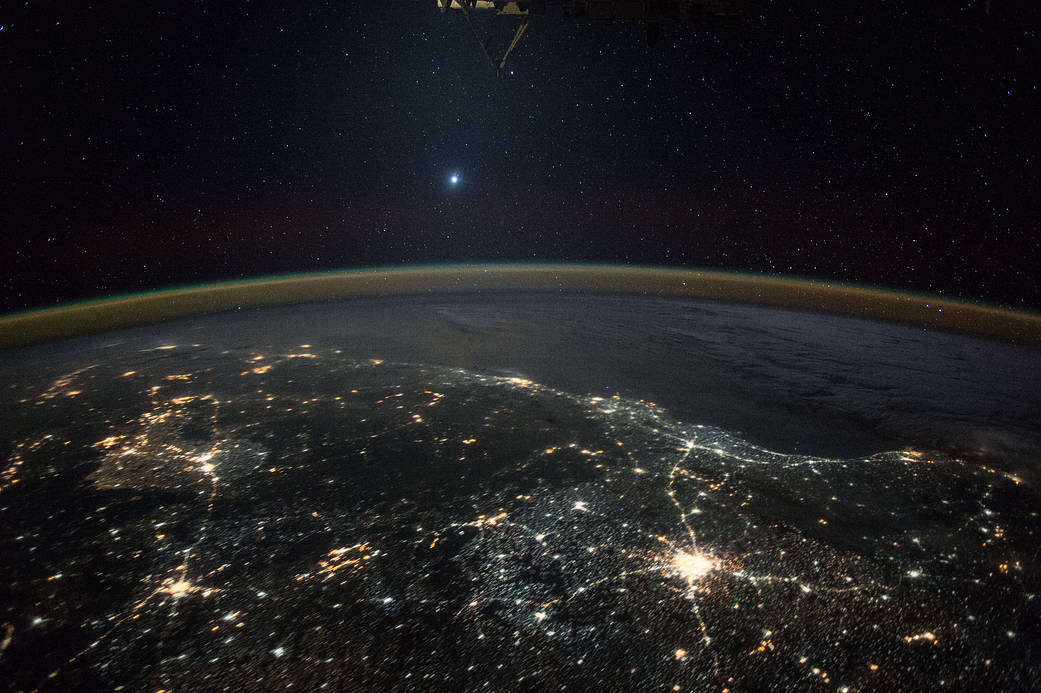
Leading the parade is Venus, whose brilliant glow continues to dominate the west-southwest sky at dusk. Although it reached its greatest angular distance east of the sun on Jan. 10, Venus remains a breathtaking evening lantern throughout February. Peering at Venus through binoculars or a small telescope reveals its crescent shape. As the month progresses, its disk appears larger while the crescent thins, a sign that Venus is moving closer to Earth and aligning more closely with the Earth–sun line of sight.
Saturn – Easy, then problematic
A short distance from Venus, Saturn—famously known as the "lord of the rings"—awaits discovery. To locate it, simply extend an imaginary line straight downward from Venus; the first bright star-like object you encounter will be Saturn. At first glance, you might think, "Wow, it's so dim!" Yet, despite this initial impression, Saturn shines as brightly as a first-magnitude star. The reason for its apparent faintness is that Venus outshines it by a full six magnitudes, making Saturn only about 1/250 as bright.
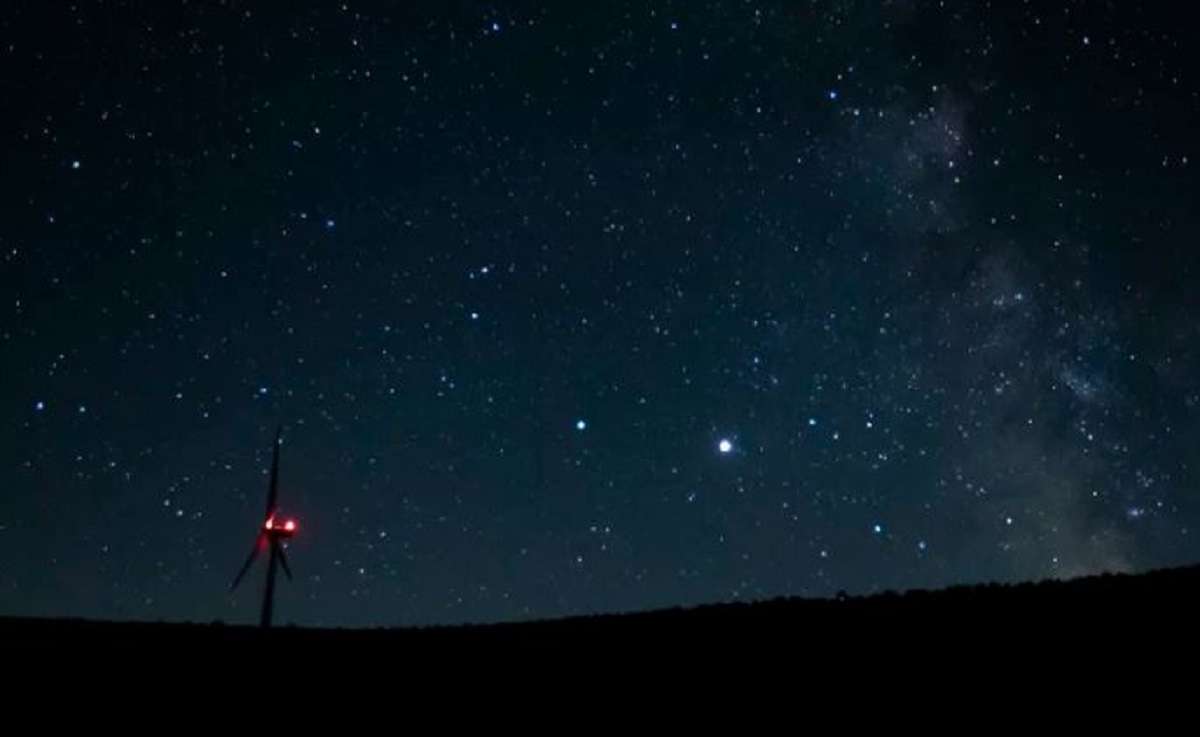
Currently, Saturn’s rings are nearly edge-on from Earth, offering little reflected light. To see the thin, bright line that bisects its disk, you’ll need a small telescope with at least 30x magnification. In the first half of February, watch as the gap between Venus and Saturn gradually widens; by month’s end, Saturn will succumb to the brightening evening twilight.
Jupiter and Its Majestic Moons
High in the southern sky at dusk, Jupiter emits a silvery-white glow at about one-tenth the brightness of Venus. The largest planet in our solar system shares the celestial stage with notable star clusters such as the Pleiades and Hyades, along with several bright winter stars. Look just below Jupiter to spot the orange-hued Aldebaran. With a modest telescope or binoculars, you can also observe Jupiter’s four largest moons, first identified by Galileo in 1610. Make a special note of the night of Feb. 25-26—on that evening, Europa, Ganymede, and Callisto will form a strikingly tight triangle on one side of Jupiter, while Io stands apart on the other. This triangle will appear "tightest" at 12:39 a.m. Eastern Time on Feb. 26 (0539 GMT, or 9:39 p.m. Pacific Time on Feb. 25).

Mars and His Stellar Companions
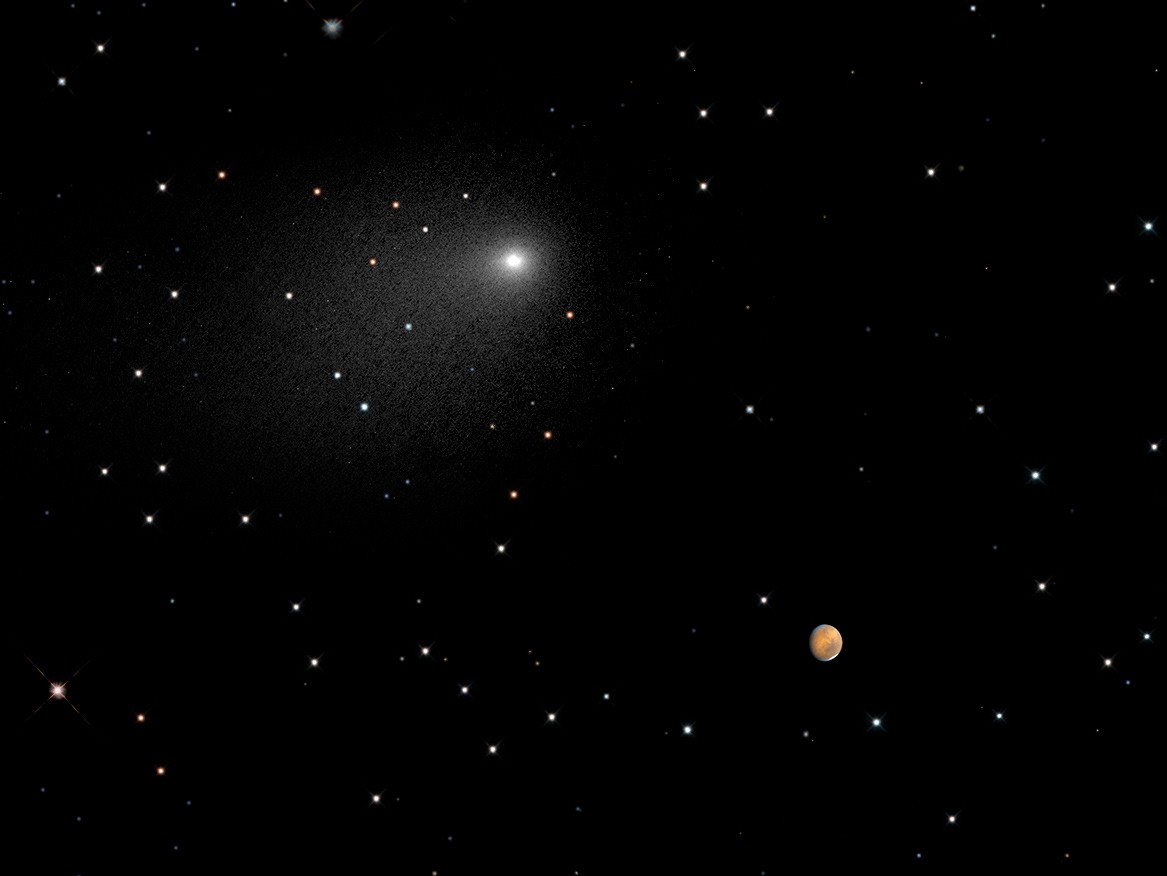
Gazing eastward as night falls, you’ll soon notice fiery, orange-yellow Mars. During February, Mars is accompanied by the "Twin Stars" of Gemini—Pollux and Castor—which together form a distinctive triangle across the sky. Although Mars was at opposition and closest to Earth in January, it gradually fades by about three-quarters of a magnitude over the course of February as our planet races ahead in its orbit.
Mercury: The Swiftly Appearing World
The smallest planet in our solar system, Mercury, makes its brief but brilliant appearance during the final week of February. Shining almost as brightly as Sirius at magnitude –1.2, Mercury sets just over an hour after the sun on Feb. 24. On that same evening, Mercury will be in conjunction with Saturn, coming within just 1.5 degrees of the ringed planet. Positioned to Saturn’s right and shining about eight times brighter, this pairing offers a fantastic opportunity to complete the set and declare victory in this round of "planetary bingo." While Mercury should be easily visible to the naked eye, Saturn may require binoculars to spot amid the lingering twilight.
Last But Not the Least: Uranus and Neptune
In addition to the five bright planets, two more await your attention for those equipped with binoculars or a small telescope. Uranus, at its brightest magnitude of +5.6, can sometimes be spotted with the naked eye under ideal conditions—revealing a tiny, greenish disk when observed with optical aid. Neptune, the most distant of the eight classical planets, will be nestled in the constellation Pisces throughout 2025.
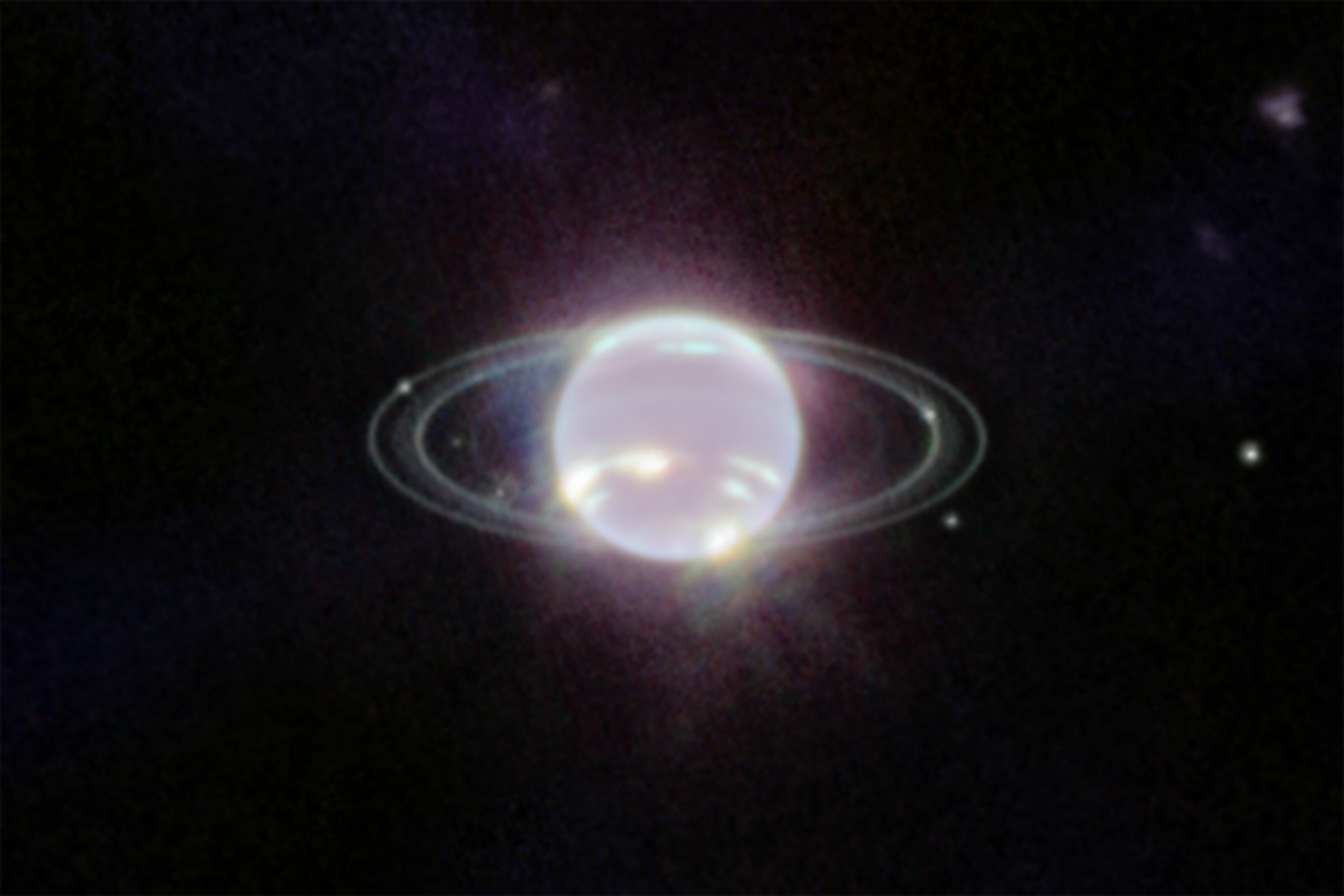
With a peak magnitude of +7.8, Neptune’s subtle bluish hue is best seen using binoculars or a telescope. Try catching Neptune on the evening of Feb. 1 when it appears near a brilliant Venus and a waxing crescent moon; later in the month, it will fade into the bright evening twilight as it approaches conjunction with the sun on March 20.
Top Headlines