No US Visa For Obese Or Diabetic People Under Trump Admin's New Rules: Check Details
The US has issued new immigration rules allowing visa officers to deny entry or green cards to people with chronic illnesses like diabetes, heart disease, or obesity.
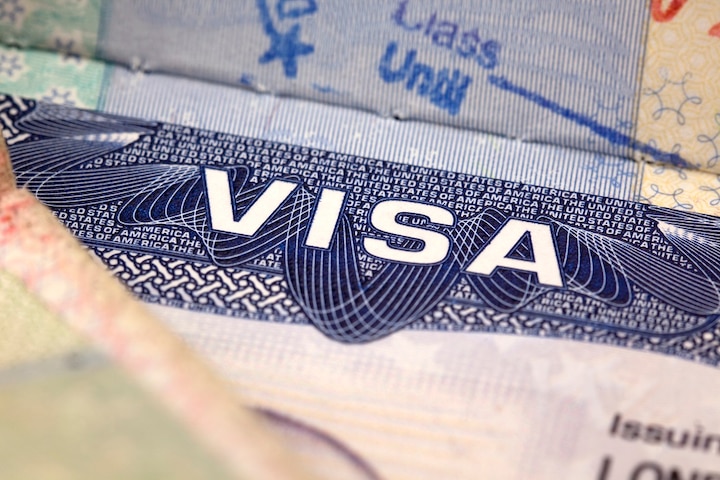
- New guidelines may deny visas/green cards for chronic health conditions.
- Consular officers to flag applicants needing costly medical care.
- Policy links chronic illnesses and obesity to future financial burden.
Foreign nationals aspiring to live in the United States may now face visa or green card rejections if they suffer from chronic health conditions such as diabetes, heart disease, or cancer. The Trump administration has introduced sweeping new guidelines that expand the definition of who may be deemed a potential “public charge.”
State Department Tightens Screening Process
A cable sent by the State Department instructs consular officers around the world to flag applicants whose medical conditions could result in “hundreds of thousands of dollars’ worth of care.” The directive lists cardiovascular, respiratory, metabolic, neurological, and mental health conditions among those to be scrutinised.
The document also highlights obesity as a key concern, noting its link to costly complications such as asthma, sleep apnoea, and high blood pressure. Under the new approach, these health issues could now be interpreted as signs that an applicant might become a future financial burden on the United States.
A Major Shift in Immigration Policy
This policy marks one of the Trump administration’s most aggressive efforts to reshape immigration standards, directly tying an applicant’s health to their eligibility for entry or permanent residency.
While the rule technically applies to all visa categories, including tourist (B-1/B-2) and student (F1) visas, it is expected to primarily affect those seeking to settle permanently in the US.
What the ‘Public Charge’ Rule Means
The move builds on a stricter reading of the century-old “public charge” provision, an immigration rule originally designed to bar those likely to rely on government assistance. Traditionally, medical screenings focused only on communicable diseases like tuberculosis. The new directive dramatically expands that list to include a wide range of non-communicable chronic illnesses.
Critics Warn of Discrimination and Subjective Judgements
Immigration advocates have raised concerns that consular officers, who typically lack medical expertise, now have broad discretion to make subjective health assessments. Since visa applicants are not required to disclose medical details, these decisions may hinge on limited or incomplete information.
Officers are now instructed to evaluate whether applicants can afford the cost of long-term medical care “over their entire expected lifespan” without relying on public funds or government support.
Before You Go
BREAKING: Rahul Gandhi's Police Station Protest Intensifies as Congress Demands FIR in Pellet Gun Case

Top Headlines