SC Refuses To Hear PIL On Enforcing Three-Language Policy In Tamil Nadu, Kerala & Bengal
The petition requested the Supreme Court to direct the concerned state governments to adopt the National Education Policy and formalise their commitment through an MoU.
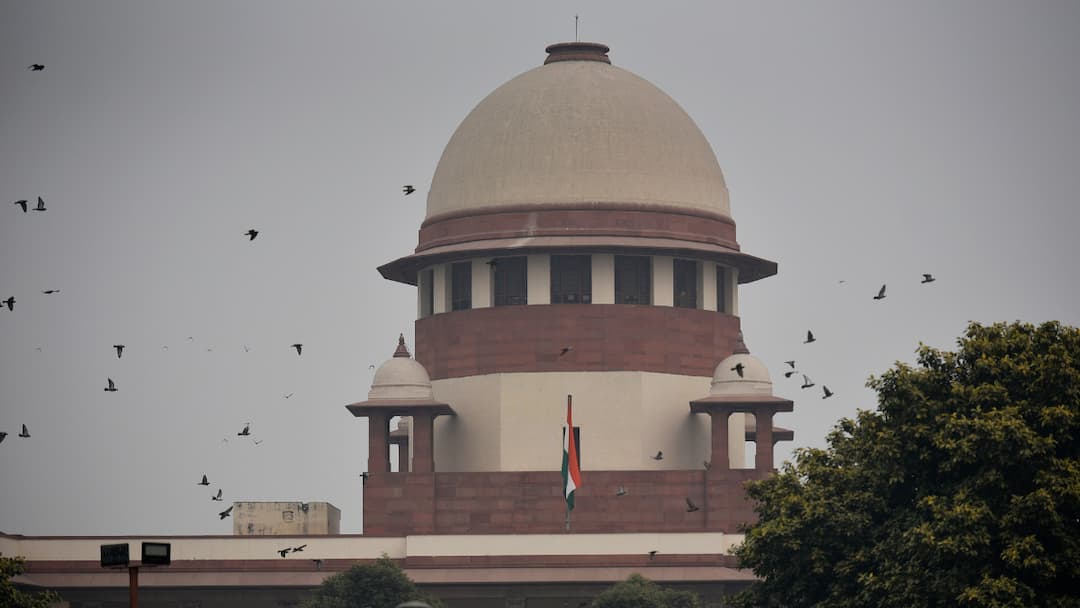
The Supreme Court on Friday declined to entertain a Public Interest Litigation (PIL) urging the enforcement of the National Education Policy (NEP) 2020’s three-language formula in Tamil Nadu, Kerala, and West Bengal.
SC Declines To Entertain PIL
The PIL, filed by advocate and BJP member GS Mani last month, argued that the refusal of these states to adopt the Centre’s education policy or sign a Memorandum of Understanding (MoU) undermines public interest and potentially violates citizens’ constitutional rights to education.
Mani claimed that while most Indian states have implemented the NEP and its tri-language model, these three states remain exceptions, thereby disregarding a national framework designed for educational reform and linguistic inclusivity.
The petition requested the Court to direct the concerned state governments to adopt the policy and formalise their commitment through an MoU. "The State government is under a constitutional or legal obligation to implement the National Educational Policy 2020 of the Central government and to enter into an MOU for the implementation of the said policy, scheme, or project," the petition stated, as per ANI.
Supreme Court declines to entertain a PIL seeking implementation of the three-language formula, proposed by the National Education Policy (NEP) 2020, in Tamil Nadu, Kerala and West Bengal
— ANI (@ANI) May 9, 2025
ALSO READ: CA Exams Postponed Amid Rising India-Pakistan Tensions — Know Details
"Free education is a fundamental right given by the Constitution. By refusing to accept this plan, the state government is denying the fundamental right of free education to the school children concerned. Therefore, the Supreme Court should intervene in this matter and issue an order to these three state governments to immediately implement the Central government's National Education Policy," added the PIL.
However, the apex court chose not to intervene, opting instead to refrain from issuing any directive at this stage.
Before You Go
Breaking: Kangana-Ramdev Row Escalates as ‘Character’ Remark Sparks Fresh Political Storm

Top Headlines