India Receives Second GE-404 Engine From US For Tejas Mk1A Jets
India has received the second GE-404 engine from the US for its Tejas Mk1A jets, boosting indigenous fighter jet production. HAL expects 12 engines by year-end as deliveries ramp up.
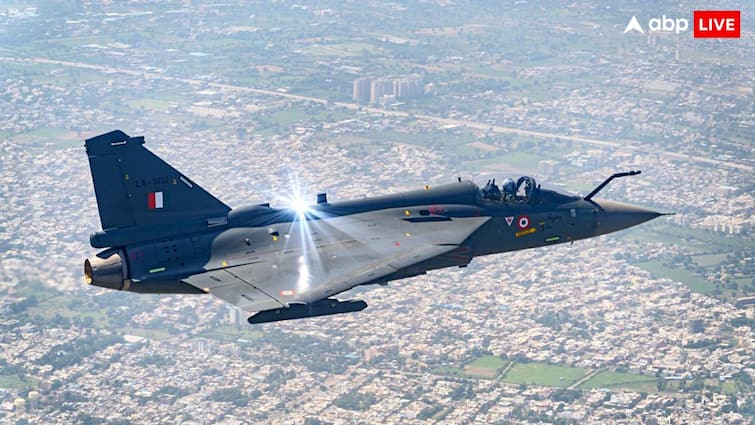
India has received the second GE-404 engine from the United States for its indigenous Light Combat Aircraft (LCA) Tejas Mk1A program, marking a key step forward in the nation’s ambitious push to modernize its air force. The engine, part of a $716 million deal signed in 2021 with General Electric, is the second in a series of 99 F404-IN20 engines slated for delivery under the contract.
The engines are being integrated into the Tejas Mk1A fighter jets, which are manufactured by Hindustan Aeronautics Limited (HAL), a public sector enterprise. According to defence officials, HAL is expected to receive a total of 12 engines by the end of the current financial year, as deliveries from the U.S. gain momentum.
India on Monday received the second GE-404 engine from the US for the LCA Mark 1A fighter jet aircraft programme. Indian public sector firm Hindustan Aeronautics Limited (HAL) is expected to receive 12 GE-404 engines by the end of this financial year. The engines will be fitted… pic.twitter.com/RkZTUmKLqm
— ANI (@ANI) July 15, 2025
Steady Progress Amid Early Delays
The production schedule for the Tejas Mk1A had initially faced turbulence due to global supply chain disruptions, including delays in component shipments from South Korea. These setbacks had pushed the expected delivery timeline into 2025. However, the recent arrival of the second engine signals that the program is back on track.
General Electric is now set to deliver two engines per month until March 2026, which is expected to significantly boost the pace of Tejas jet production. HAL, which has faced criticism in the past over delays, is preparing to ramp up output, with projections to manufacture up to 30 Tejas aircraft annually by 2026–27.
Expanding the Tejas Fleet
The Indian Air Force (IAF) has already placed an order for 83 Tejas Mk1A fighter jets and is close to finalizing a proposal to procure an additional 97 aircraft. Once approved, this move would take the total number of Tejas jets on order to 180. In the longer term, the IAF aims to induct as many as 352 Tejas aircraft, including the more advanced Mk2 variants.
The Tejas program is seen as a cornerstone of India’s effort to reduce dependency on foreign-made military platforms and strengthen domestic defence manufacturing.
India Eyes More US Defence Systems
India’s defence ties with the U.S. continue to deepen beyond fighter jet engines. The country is also in the final stages of negotiations to acquire the Javelin Anti-Tank Guided Missile (ATGM) system, a battlefield-tested weapon known for its "fire-and-forget" capability.
The Javelin is designed to strike tanks from the top—where their armor is thinnest—and boasts a range of around 2.5 kilometers. With India’s current inventory of second-generation ATGMs falling short by over 68,000 missiles and more than 850 launchers, this acquisition aims to address a critical operational gap in the Indian Army’s arsenal.
Testing the Striker Armoured Vehicle
India has also recently conducted trials of the American-made Stryker Armored Fighting Vehicle, though initial impressions were mixed. The Indian Army is reportedly looking for an amphibious variant of the vehicle, which the U.S. is expected to showcase during upcoming joint military exercises.
The Stryker is an 8×8 wheeled, modular armoured platform capable of operating in diverse terrain. Armed with a 30mm automatic cannon, machine guns, and anti-tank missiles, it features advanced battlefield survivability systems, including NBC (Nuclear, Biological, Chemical) protection and real-time combat communication tools. The amphibious variant, in particular, holds strategic importance for operations in riverine, swampy, or coastal regions.

Top Headlines