Explorer
India-China stand-off: This is what USA has advised both countries to do
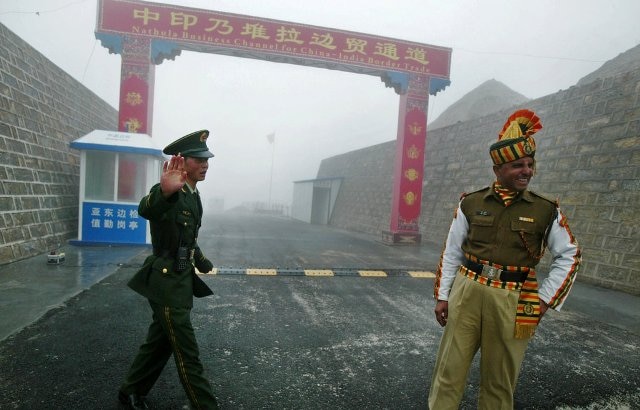
Photo: AFP/Representational
Washington: India and China should engage in direct dialogue free of any "coercive aspects" to reduce the tension over a military standoff in Dokalam, the Pentagon has said. Chinese and Indian soldiers have been locked in a face-off in Dokalam area in the southernmost part of Tibet in an area also claimed by Indian ally Bhutan for over a month after Indian troops stopped the Chinese army from building a road in the disputed area. "We encourage India and China to engage in direct dialogue aimed at reducing tensions and free of any coercive aspects," Gary Ross, a Defence Department spokesman said. Ross, however, refused to take sides on the issue. "We refer you to the governments of India and China for further information... We are not going to speculate on such matters," Ross said when asked if the Pentagon fears the tension may escalate between India and China. The US State Department too has made similar statements over the past week. In recent years, almost all neighbours of China have accused Beijing of coercive tactics to settle border disputes. The standoff in Dokalam is seen as part of the same tactic to change the status quo in the area. India has taken a strong stand against the Chinese "unilateral action". National Security Adviser Ajit Doval is to head to Beijing for a meeting of BRICS' NSAs next week. He is expected to discuss the issue with his Chinese counterpart Yang Jiechi. Earlier this week, a top Pentagon Commander told US lawmakers that China was exploiting its economic leverage as a way to further its regional political objectives. "As China's military modernisation continues, the United States and its allies and partners will continue to be challenged to balance China's influence," General Paul Selva, USAF, said in written response to questions to the Senate Armed Services Committee for his reconfirmation as Vice Chairman of the Joint Chiefs of Staff. Selva said deterring war is an exercise in influencing China's decision calculus, making diplomacy preferable to conflict and managing crises in such a manner that they do not unintentionally escalate. "To do this, the Joint Force will engage with the Chinese military within Congressionally mandated limits, build alliance capacity through close cooperation, and uphold international law through appropriate operations," he said.
Before You Go
Uttar Pradesh: Yogi Adityanath Launches ‘Har Ghar Tiranga’ Campaign in Lucknow
Top Headlines
India

Pakistan Bows To PoK Resistance, Defers Polls In 7 Poonch Seats After Aman Khan's Aug 5 Ultimatum
India

Delhi-Gurgaon Rains: 6 Essential Tips To Keep Your Car Safe On Waterlogged Roads
India

Maharashtra Milk Prices To Increase By Rs 2 Per Litre From August 11
India

Dharmendra Pradhan Breaks Silence On Resignation, Says Gen Z Was Misled Over NEET Row










See Today's Weather 
powered by