




Explorer
FAA warns airline passengers not to use Samsung smartphone
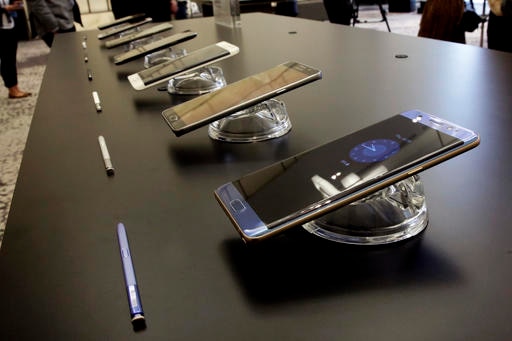
NEW YORK: U.S. aviation safety officials took the extraordinary step late Thursday of warning airline passengers not to turn on or charge a new-model Samsung smartphone during flights following numerous reports of the devices catching fire. The Federal Aviation Administration also warned passengers not to put the Galaxy Note 7 phones in their checked bags, citing "recent incidents and concerns raised by Samsung" about the devices. It is extremely unusual for the FAA to warn passengers about a specific product.
Last week, Samsung ordered a global recall of the jumbo phones after its investigation of explosion reports found the rechargeable lithium batteries were at fault. In one case, a family in St. Petersburg, Florida, reported a Galaxy Note 7 phone left charging in their Jeep caught fire, destroying the vehicle. ALSO READ: Halt and catch fire: Battery woes go well beyond Samsung Samsung launched the latest version of the Note series in August. The Note series is one of the most expensive lineups released by Samsung, and the devices usually inherit designs and features of the Galaxy S phones that debut in the spring. Samsung also added an iris scanner to the Note 7, which detects patterns in users' eyes to unlock the phone. Before the issue of battery explosions emerged, supplies were not keeping up with higher-than-expected demand for the smartphone. The Note 7 isn't the only gadget to catch fire thanks to lithium-battery problems, which have afflicted everything from laptops to Tesla cars to Boeing's 787 jetliner. ALSO READ: Samsung recalls Note 7 following exploding batteries Rechargeable lithium batteries are more susceptible to overheating than other types of batteries if they are exposed to high temperatures, are damaged or have manufacturing flaws. Once the overheating starts, it can lead to "thermal runaway" in which temperatures continue escalating to very high levels. Water can put out the flames, but doesn't always halt the thermal runaway. Flames will often reappear after initially being quenched. Lithium batteries have become ubiquitous in consumer electronic devices. Manufacturers like them because they weigh less and pack considerably more energy into the same space than other types of batteries. ALSO READ: Samsung announces exchange offer for Galaxy Note 7 Earlier this year, the International Civil Aviation Organization, a U.N. agency that sets global aviation safety standards, banned bulk shipments of rechargeable lithium-ion batteries as cargo on passenger planes until better packaging can be developed to prevent a fire from spreading and potentially destroying the plane.FAA Statement on Samsung Galaxy Note 7 Devices https://t.co/NADpT5Jma4 pic.twitter.com/e9uJvNmUUq
— The FAA (@FAANews) September 8, 2016
Before You Go
Jharkhand: Jharkhand Government Accepts Students’ Demands After 24-Day Protest
Top Headlines
World

Trump Praises India’s Voter ID Rules As He Renews Push For SAVE America Act
Education

Jharkhand Exam Irregularities: Minister Dipika Pandey Assures Aspirants Of Major Reforms
World

Iran Warns Of ‘Fully Offensive’ Posture As Trump Rejects Extending Ceasefire
World

Erdogan Urges Trump To Resume Peace Talks With Iran, Offers Turkey's Support










See Today's Weather 
powered by



