The state government aims to transform the Subansiri Lower Pondage into a world-class mountain-and-river tourism hub, integrating eco-tourism, adventure, culture, and sustainable livelihoods.
Explorer
Arunachal's Next Big Escape: Subansiri Is Getting A Luxury River Makeover
Arunachal Pradesh plans a major tourism hub at Subansiri, combining eco-tourism, adventure, culture, and jobs around India’s largest hydropower project.

Arunachal Pradesh Unveils Ambitious Plan To Turn Subansiri Into Tourism Powerhouse
Source : Special Arrangement
- Arunachal Pradesh plans world-class mountain-river tourism hub at Subansiri Lower Pondage.
- Largest Indian hydropower project forms basis for eco-tourism, adventure, culture.
- Chief Minister seeks central government support for integrated tourism model.
- Inspired by global destinations, communities will benefit from tourism jobs.
In a significant move to elevate Arunachal Pradesh’s tourism profile, the state government has unveiled an ambitious plan to transform the Subansiri Lower Pondage into a world-class destination. The vision centers on creating a mountain-and-river tourism hub that blends eco-tourism, adventure, culture, and sustainable livelihoods into a single, immersive experience.
Hydropower Project Opens New Possibilities
At the heart of this initiative lies the Subansiri Lower Hydroelectric Project, a 2,000 MW development and the largest of its kind in India. Situated on the Subansiri River, the project is expected to be fully operational by December 2026, with four units already up and running.
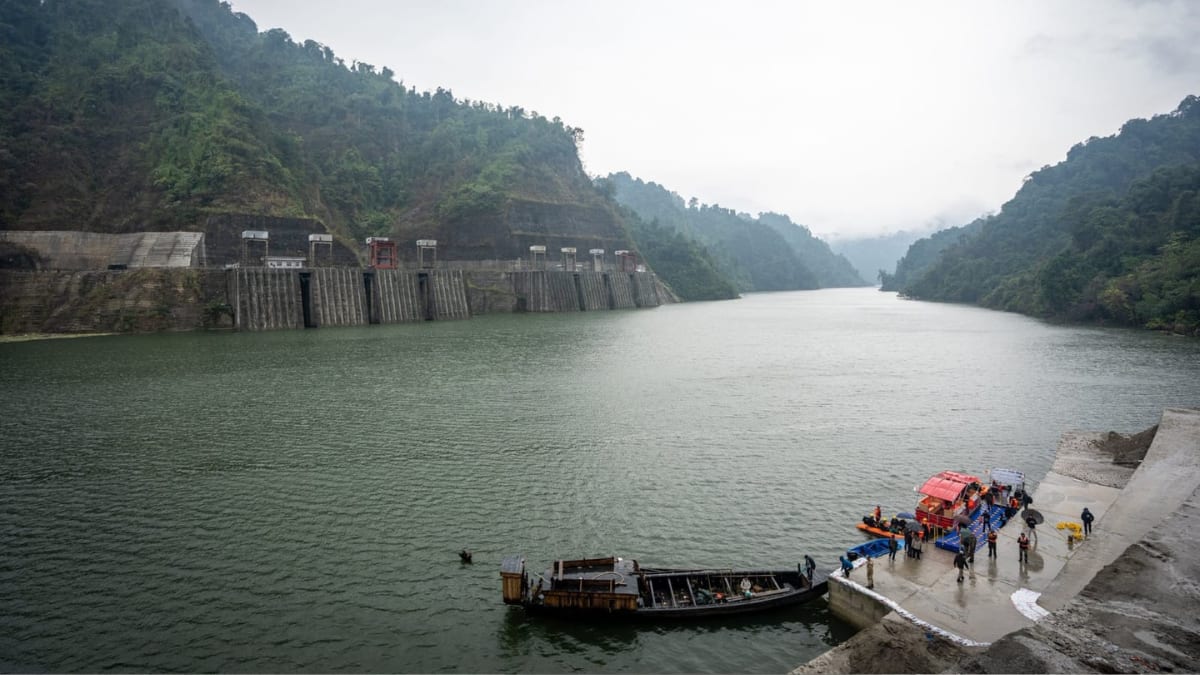
The pondage formed by this massive infrastructure is now being seen as more than just an engineering feat. Officials view it as a rare opportunity to develop a high-value tourism ecosystem in one of India’s most biodiverse river regions.
Centre’s Support Sought For Ambitious Plan
To bring the vision to life, Chief Minister Pema Khandu has reached out to Prime Minister Narendra Modi, seeking support from the central government. He has also called for technical collaboration with several key ministries, including Tourism, Power, Jal Shakti, Ports, Shipping and Waterways, and the Ministry for Development of North Eastern Region.
Khandu has advocated for a coordinated, whole-of-government approach to ensure the project’s success.
Multi-Dimensional Tourism Model In The Works
According to the proposal, the project aims to integrate a wide range of tourism experiences. These include eco-tourism and nature-based activities, adventure tourism and water sports, cultural and heritage exploration, inland fisheries for livelihood generation, and luxury river cruises along with other marine-based offerings.
The broader goal is to create a sustainable and holistic tourism model that appeals to diverse interests.
Inspired By Global Destinations
The state government is drawing inspiration from some of the world’s most celebrated destinations, such as Nepal’s Phewa Lake, Thailand’s Kaeng Krachan,
Italy’s Lake Como and Dolomite lake circuits, and New Zealand’s Milford Sound.
By aligning with these global benchmarks, the initiative seeks to position Arunachal Pradesh prominently on both national and international tourism maps.
Communities At The Core
A key aspect of the plan is the emphasis on local and tribal communities. Khandu has highlighted that these communities will play a central role as stakeholders, beneficiaries, and custodians of the region’s ecological and cultural heritage.
Jobs And Economic Boost Anticipated
The project is expected to generate more than 2,500 jobs once it reaches a steady phase, with local youth likely to benefit the most. In the medium term, officials are targeting an annual footfall of over 1.5 lakh tourists.
Such growth could significantly strengthen the state’s tourism-driven economy while promoting sustainable livelihoods.
First Phase To Focus On Planning
In its initial stage, the government plans to bring in leading design and planning agencies to prepare a Detailed Project Report (DPR). This will include financial projections and implementation strategies, developed in consultation with local communities.
A Vision Rooted In Recent Exploration
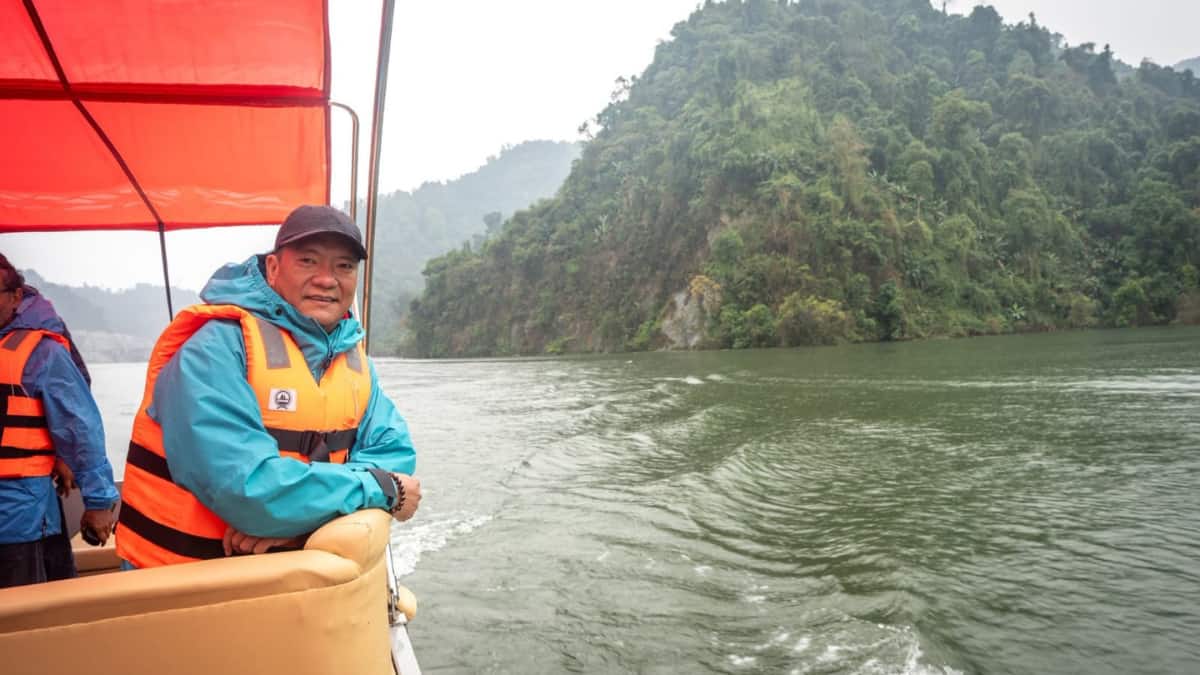
The idea builds on recent efforts to explore the region’s tourism potential. On March 28, Chief Minister Khandu, along with officials, undertook a high-speed river journey covering around 45 kilometres, from the Subansiri Lower Hydroelectric Project site at Dollungmukh to the Kamle-Subansiri confluence.
He described the expedition as part of a broader push to align hydropower development with tourism opportunities in the state.
Frequently Asked Questions
What is the main goal of Arunachal Pradesh's new tourism initiative?
What is the role of the Subansiri Lower Hydroelectric Project in this initiative?
The pondage created by the 2,000 MW Subansiri Lower Hydroelectric Project is being leveraged as an opportunity to develop a high-value tourism ecosystem in a biodiverse river region.
What types of tourism experiences are planned for the Subansiri Lower Pondage?
The project plans to integrate eco-tourism, adventure sports, cultural exploration, inland fisheries, and luxury river cruises to create a diverse tourism model.
How will local communities be involved in this tourism development?
Local and tribal communities are central to the plan, acting as stakeholders, beneficiaries, and custodians of the region's ecological and cultural heritage.
What economic benefits are expected from this tourism project?
The project is anticipated to create over 2,500 jobs, boost the state's tourism economy, and target an annual footfall of over 1.5 lakh tourists.

Top Headlines
Business

RBI MPC August 2026: Repo Rate Unchanged At 5.25%, MPC Retains Neutral Stance
India

Meta Global Executives To Meet MeitY After Temporary Removal Of PM Modi's Facebook Video
India

Udhayanidhi Meets Father Stalin, Says 'Every Mother And Sister In Tamil Nadu Is My Family'
World

'Attack Against Christians': US Congressman Criticises FCRA Bill, Warns Of Bilateral Fallout








See Today's Weather 
powered by