Independence Day 2025 — How The Indian Flag Evolved Through The Decades
From the first unofficial tricolour in 1906 to the present-day Tiranga, discover the fascinating journey of the Indian national flag and its historical transformations.

The Indian national flag is definitely a symbol of freedom. But, apart from this, it is also the heartbest of the nation that represents the sacrifices, struggles, and dreams of millions. As we celebrate Independence Day 2025, it's worth tracing the incredible journey of the Tiranga, which has evolved over more than a century. Each version of the flag tells a unique story. From the very first unofficial design in 1906 to the flag we proudly salute today, the evolution of the the Indian national flag is a fascinating chronicle of our nation's fight for independence and enduring identity.
ALSO READ: 5 Gorgeous Tricolour Sarees To Celebrate Independence Day 2025 In Style
Calcutta Flag
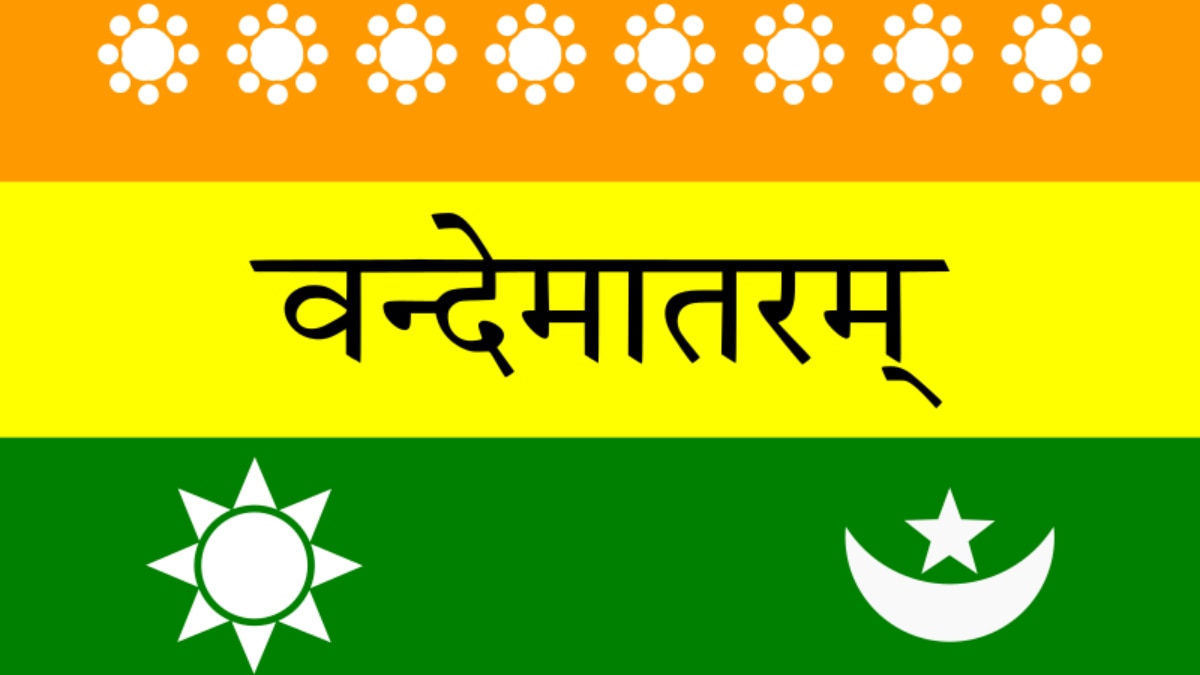
The Calcutta Flag, also called the Lotus Flag was designed by Sachindra Prasad Bose and Hemchandra Kanungo. It was proudly unfurled on August 7, 1906, at Parsee Bagan Square in Calcutta during the Swadeshi Movement. This historic flag featured three bold horizontal stripes, green at the top, yellow in the middle, and red at the bottom. The green band carried eight white lotus flowers symbolising purity and courage. The yellow stripe bore the slogan "Vande Mataram" written in Devanagari. The red band displayed a crescent moon and sun, representing India's cultural and religious diversity. This was the first unofficial flag of India and became one of the earliest visual representations of our country's national identity.
Berlin Committee Flag
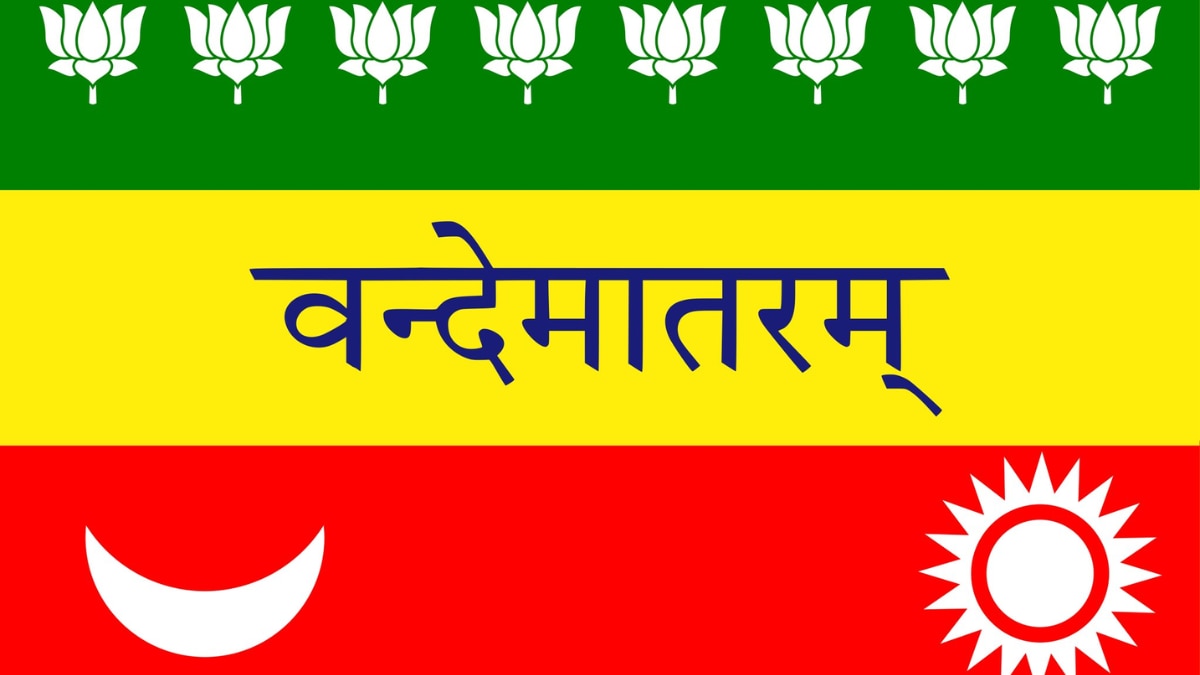
One of the most iconic milestones in the evolution of the Indian national flag came in 1907. This was when Madame Bhikaiji Cama made history bu hoisting it on a foreign soil. This event took place on August 22, 1907, during the Second International Socialist Congress in Stuttgart, Germany. This was the first time an Indian flag was publicly unfurled on a foreign land. The flag, often referred to as the Berlin Committee Flag or the Flag of Indian Independence, was a collaborative creation by Bhikaiji Cama, Vinayak Damodar Savarkar, and Shyamji Krishna Varma. The design carried a deep symbolic meaning. It featured three horizontal stripes, saffron, green, and red, representing courage, faith, and sacrifice. The green band had eight blooming white lotuses, each symbolising one of the eight provinces of British India. In the centre, the words Vande Mataram were boldly inscribed in Devanagari script, serving as a rallying cry for independence. The red band at the bottom featured a crescent moon and a rising sun, representing unity and hope for a new dawn.
The Home Rule Movement Flag
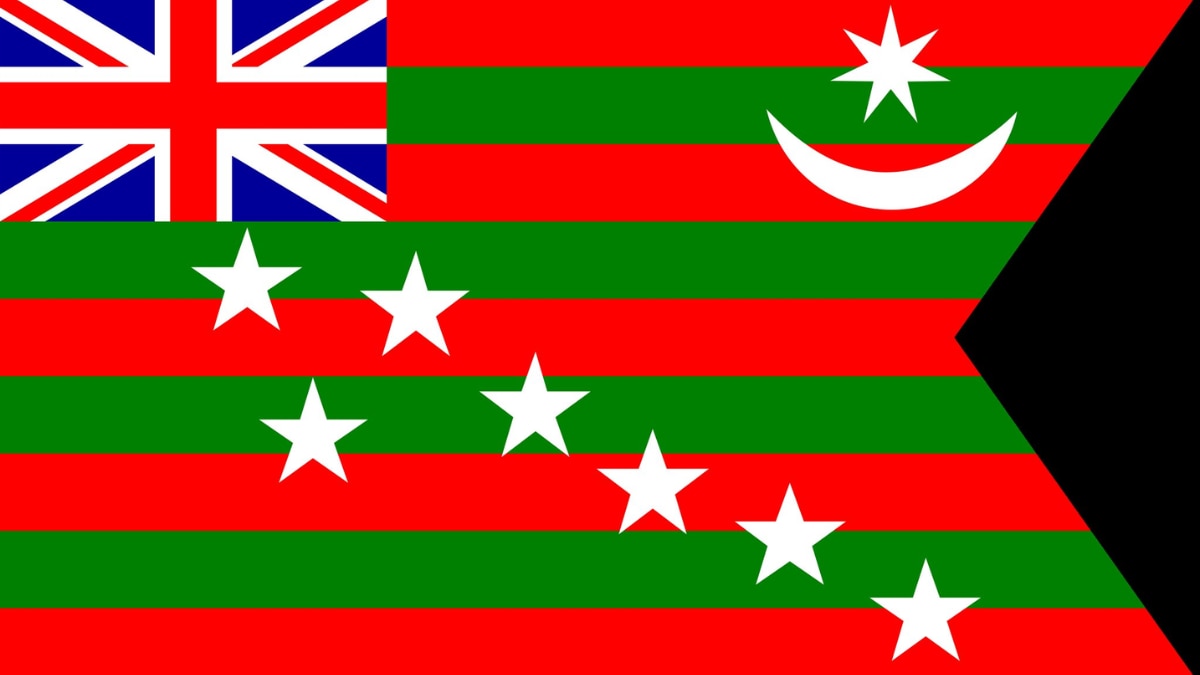
In 1917, during the Home Rule Movement led by Annie Besant and Bal Gangadhar Tilak, a strikingly different flag was unfurled. This flag blended the nationalist aspirations with remnants of colonial symbol. It featured five bold red stripes alternating with four green stripes, symbolising unity among India's diverse communities. In the top-left corner, the Union Jack was prominently displayed, reflecting the movement’s demand for Dominion status. On the top right, a white crescent moon and a seven-pointed star represented India’s Islamic heritage. The seven white stars arranged to form the Saptarishi constellation made the flag truly distinctive. It reflected the political aspirations of the time: a united India seeking autonomy without completely severing ties with Britain.
Swaraj Flag
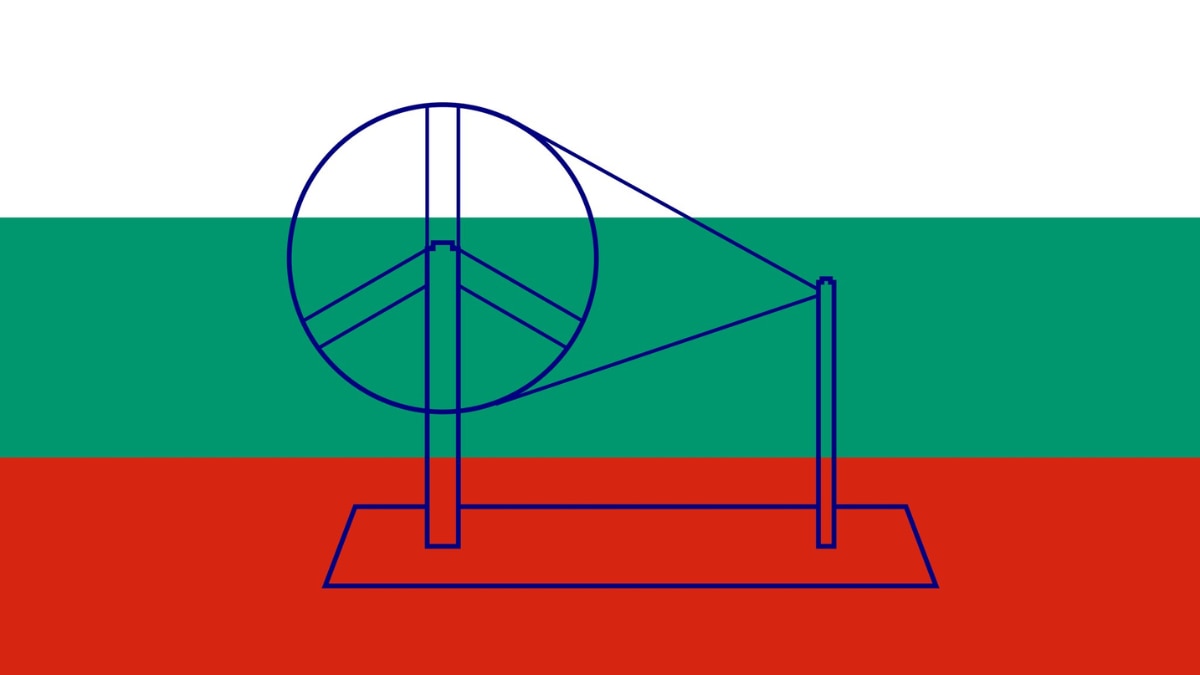
The story of the Indian national flag took a defining turn in 1921, during the All India Congress Committee session at Bezwada. Here, Pingali Venkayya, a visionary freedom fighter, presented a unique flag proposal. He presented a flag with two bold horizontal bands, red for the Hindu community and green for the Muslim community. At that moment, Mahatma Gandhi suggested to add a white stripe, representing all the other communities of India along with a charkha at the centre to symbolise self-reliance, unity, and the spirit of the Swadeshi movement. The suggestion echoed Gandhi’s vision of empowering rural India through khadi and self-sufficiency.
Indian National Flag
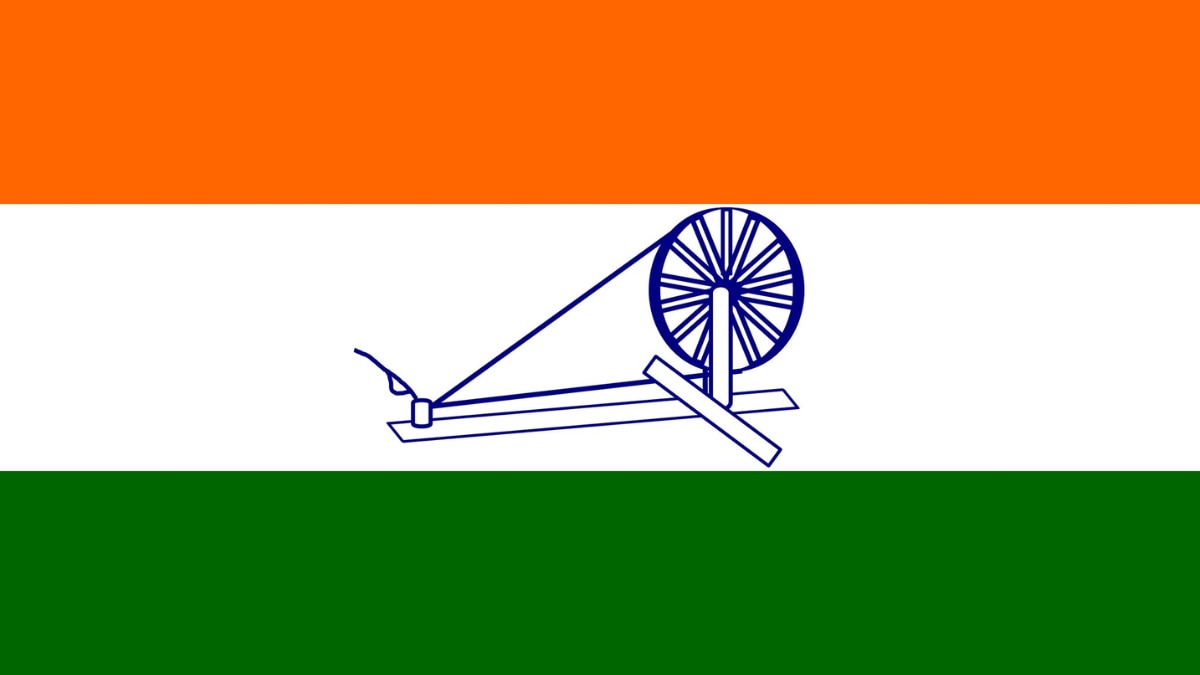
The year 1931 was a turning point. The flag was officially adopted by the Indian National Congress as the national flag. It featured three horizontal stripes of saffron at the top, white in the middle, and green at the bottom. The white band carried the spinning wheel, representing self-reliance and the Swadeshi movement. While saffron stood for bravery, the white symbolised peace and truth, and the green represented prosperity, growth, and the fertility of the land. Adopted by the Indian National Congress, this version quickly became a unifying emblem for the masses. This flag served as a rallying cry for Swaraj. This flag is remembered as the immediate predecessor of the modern Indian national flag.
Tiranga
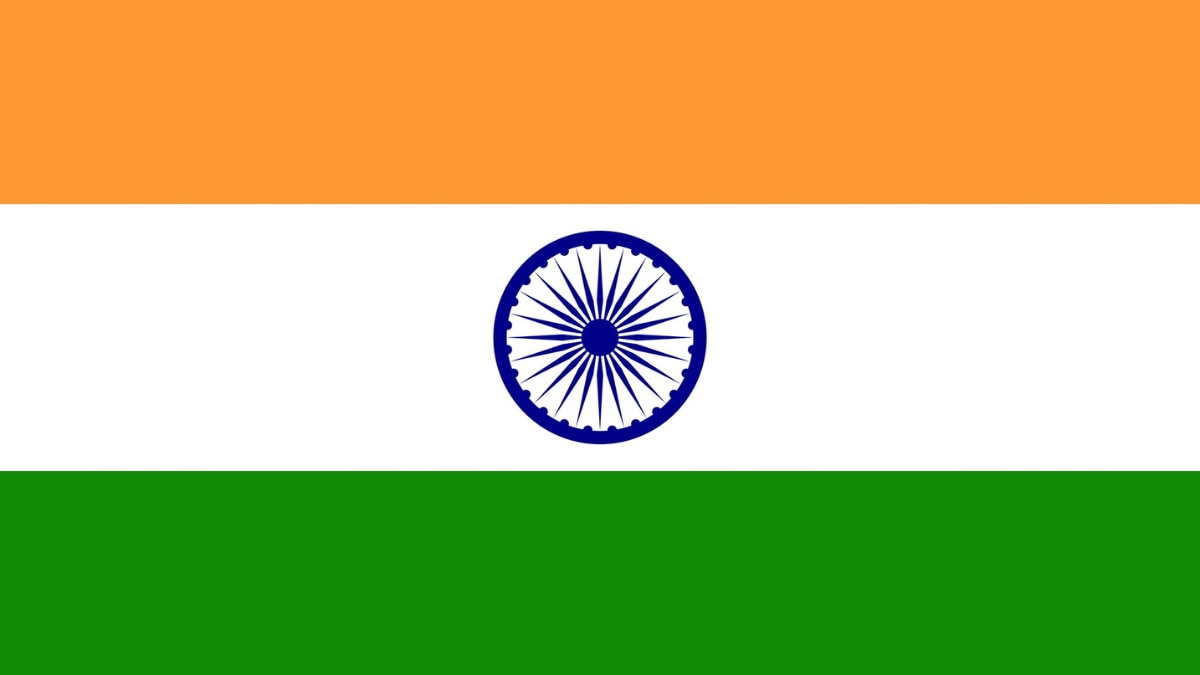
On June 23, 1947, the Constituent Assembly set up a committee under Rajendra Prasad to finalise the design. The vision was to retain the essence of the flag used during the freedom struggle while giving it a distinctive identity for a sovereign nation. One of the most significant contributions came from Surayya Tyabji, wife of senior civil servant Badruddin Tyabji. She suggested replacing the spinning wheel with the Ashoka Chakra, inspired by the Lion Capital of Ashoka. This ancient symbol from the Mauryan era stood for righteousness, progress, and the eternal cycle of life. The original design had a black chakra, but Mahatma Gandhi objected, leading to its iconic navy blue colour that we see today.
Related Video
Union Budget 2024: Nirmala Sitharaman Reaches Parliament Ahead Of Budget Presentation Today | ABP News

Top Headlines