Halloween 2025: 8 Surprising Facts About The World’s Spookiest Celebration
Halloween 2025 brings ancient myths, eerie origins, and global twists to the spooky season. Know about 8 fascinating facts about the world’s most mysterious and thrilling celebration.
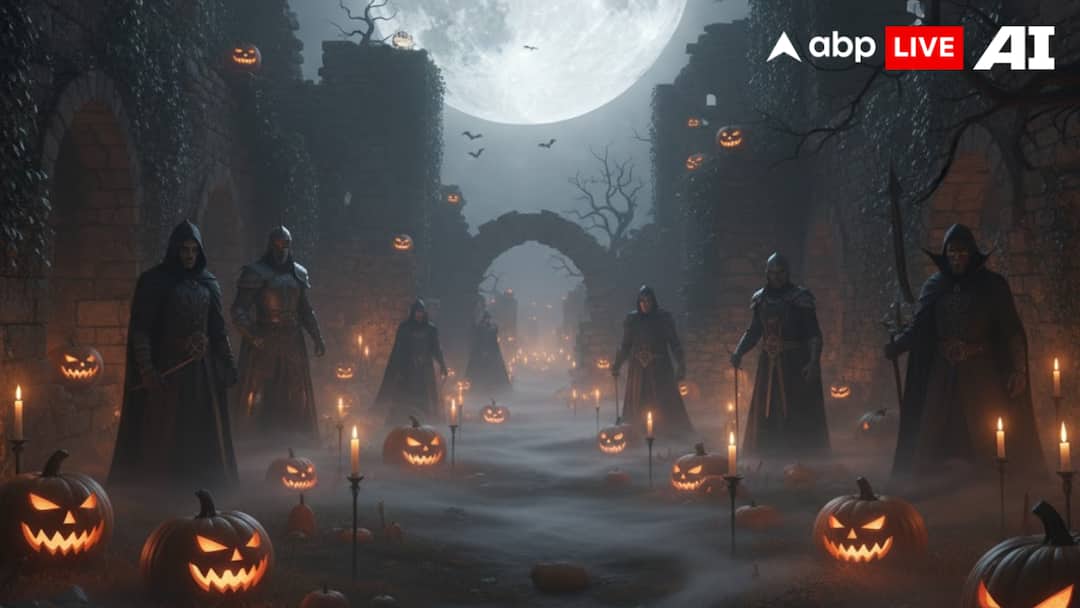
- Halloween's roots trace to ancient Celtic Samhain festival.
- Carved turnips and potatoes preceded pumpkin jack-o'-lanterns.
- Trick-or-treating evolved from medieval soul cakes tradition.
- Halloween once offered romantic divination games.
- Full moon on Halloween is a rare event.
- Global celebrations of Halloween vary widely.
- Halloween is now a significant global economic event.
Every year, the world transforms into a land of ghosts, goblins, and glowing pumpkins as Halloween takes over the night. But beyond the costumes, candy, and eerie decorations, Halloween carries centuries of mystery, symbolism, and evolution. From ancient Celtic rituals to modern global traditions, this festival has travellled through time, cultures, and even continents.
As Halloween 2025 approaches, here are eight spine-tingling, fascinating, and lesser-known facts that reveal the true essence behind the world’s most thrilling celebration.
ALSO READ: Halloween 2025: 10 Easy Hollywood-Inspired Costumes You Can Recreate Effortlessly At Home
1. Halloween Began As An Ancient Celtic Festival
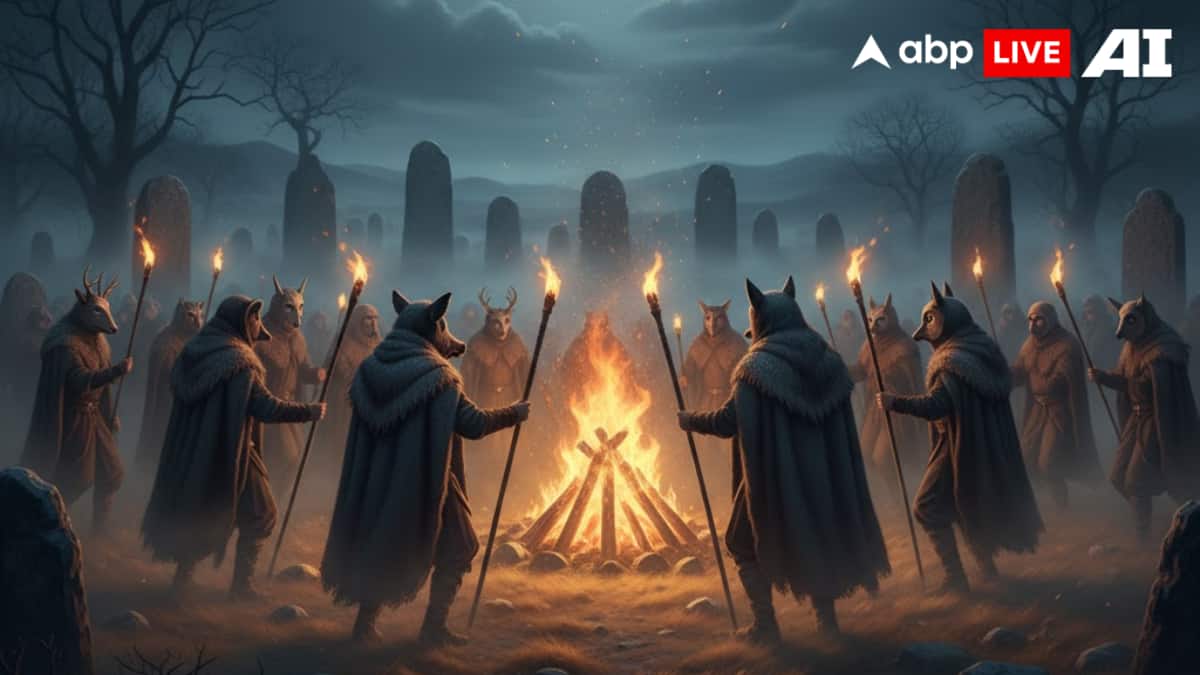
Long before trick-or-treating or haunted houses, Halloween's origins trace back over 2,000 years to the Celtic festival of Samhain, celebrated in ancient Ireland and Scotland. The Celts believed that on the night of 31 October, the veil between the living and the dead grew thin, allowing spirits to cross over. Bonfires were lit to ward off evil, and people wore disguises to confuse wandering ghosts. Over time, the festival blended with Christian traditions, becoming All Hallows’ Eve, the night before All Saints’ Day. This ancient ritual evolved into the Halloween we know today, carrying remnants of superstition, spirituality, and seasonal change.
2. Pumpkins Weren’t Always The Star Of Halloween
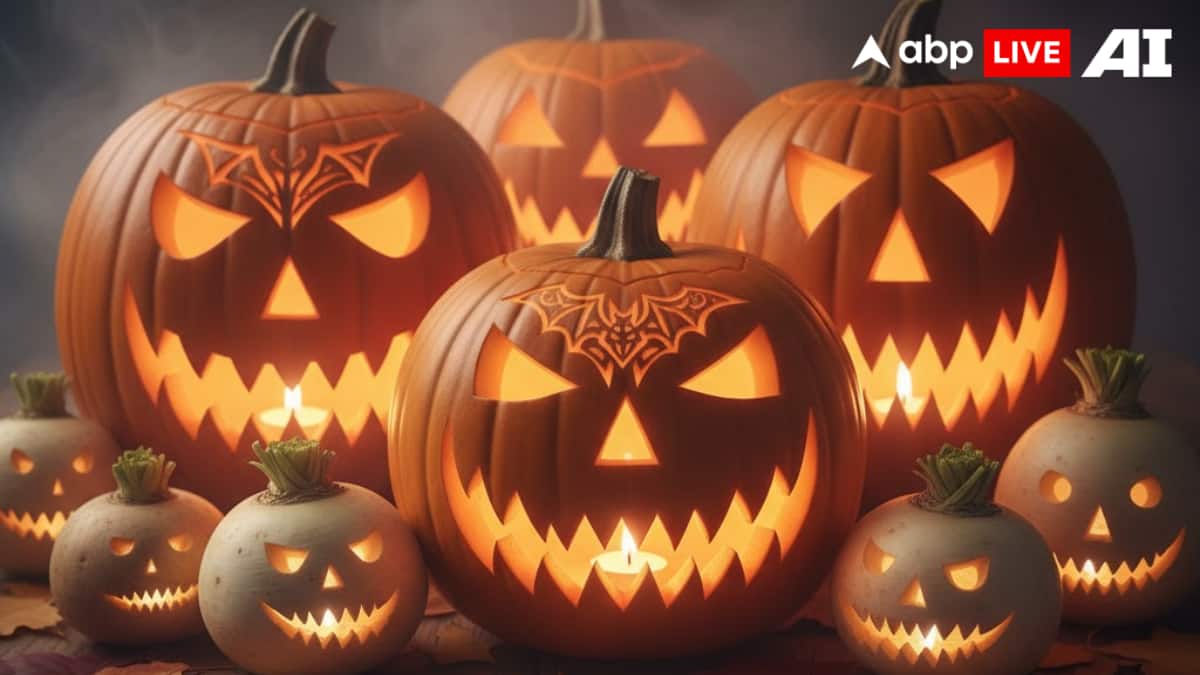
While glowing jack-o’-lanterns are now the universal symbol of Halloween, the tradition didn’t actually start with pumpkins. Early celebrants in Ireland and Scotland carved turnips and potatoes instead. The idea came from the legend of "Stingy jack," a trickster who roamed the Earth with only a hollowed-out vegetable to light his way. When Irish immigrants brought the custom to America, they found pumpkins, native to the New World, larger, softer, and far easier to carve. Thus, the pumpkin became the shining symbol of Halloween’s eerie beauty. Halloween of the modern time includes pumpkin carving competitions, spiced lattes, and glowing porch displays. These all trace back to a humble Celtic superstition that turned into one of the world’s most beloved traditions.
3. Trick-Or-Treating Originated From A Medieval Custom
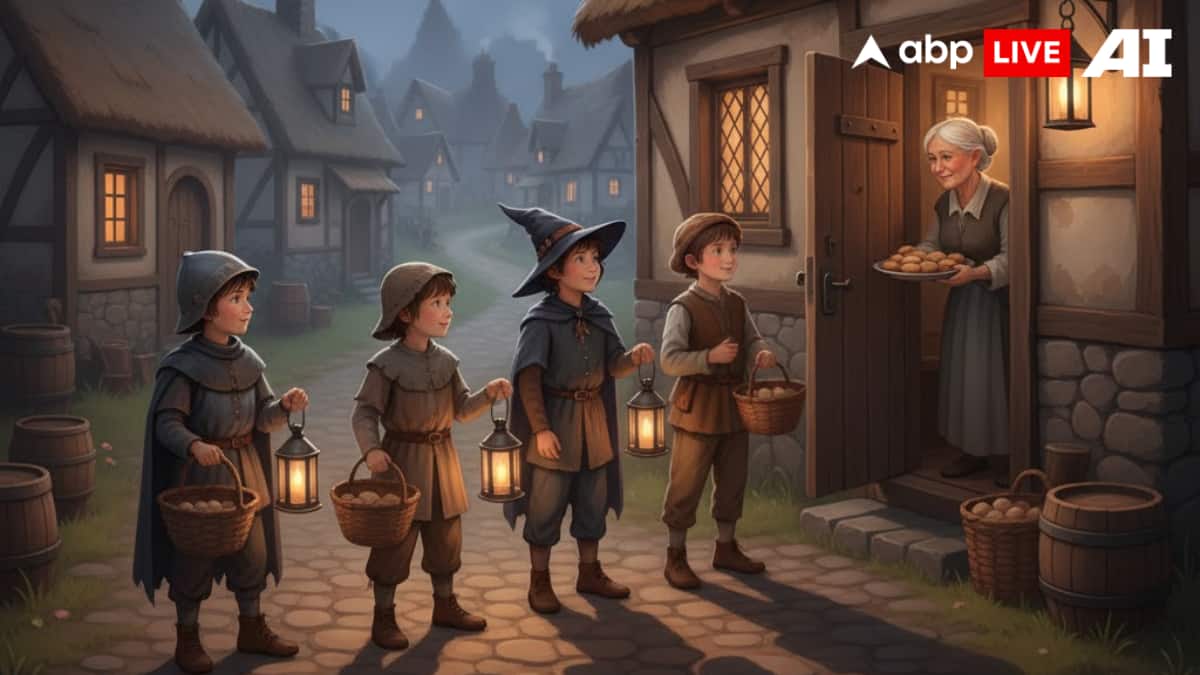
The act of dressing up and going door-to-door isn't just child's play, it's rooted in medieval Europe's "souling" tradition. During All Hallow's Eve, the poor would visit wealthy homes, offering prayers for the souls of the dead in exchange for food, known as, "soul cakes." This evolved into "guising" in Scotland, where children performed songs or tricks in exchange for treats. When European settlers brought these customs to North America, they merged with other folk traditions, eventually transforming into the trick-or-treating we know today.
4. Black Cats And Witches Share A Supernatural Past
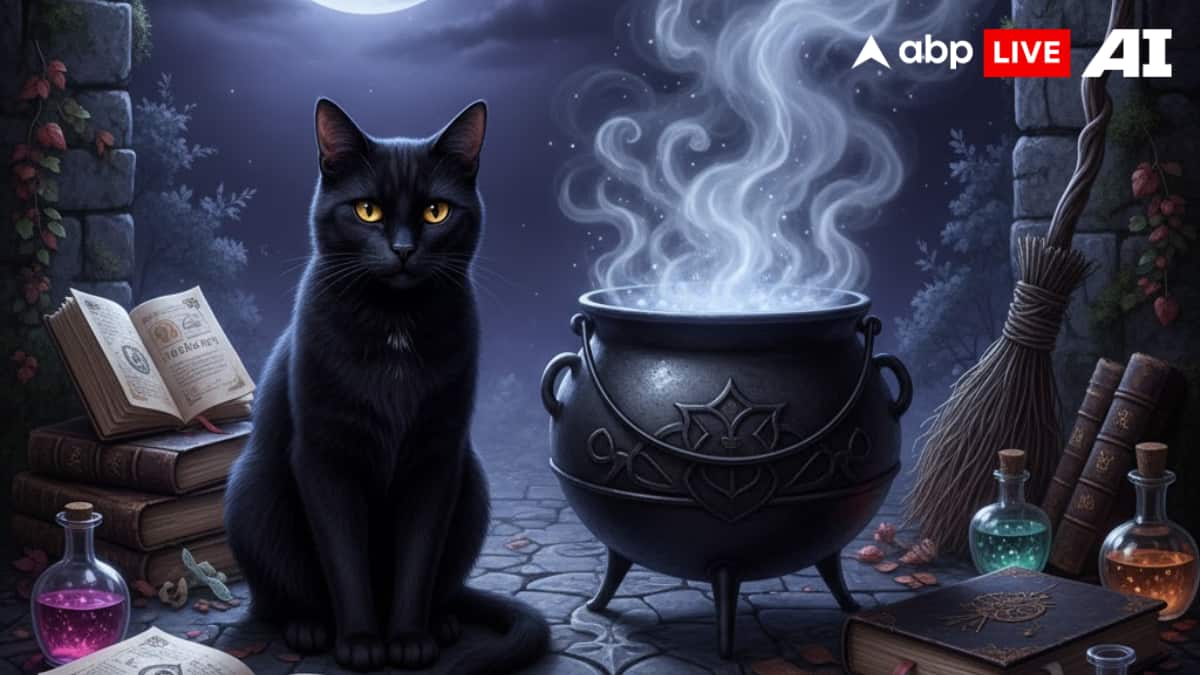
Few symbols are as closely tied to Halloween as black cats. Feared and revered in equal measure, these mystical creatures have long been associated with witchcraft and magic. In medieval Europe, black cats were believed to be witches' familiars, spiritual companions with powers of their own. Some even thought witches could transform into cats to escape capture. Over time, this superstition turned black cats into omens of bad luck, a belief that still lingers in popular culture. Yet in ancient Egypt, cats were sacred, symbolising protection and good fortune. This fascinating duality, between superstition and reverence, makes the black cat one of Halloween's most mysterious icons.
5. Halloween Was Once A Romantic Festival
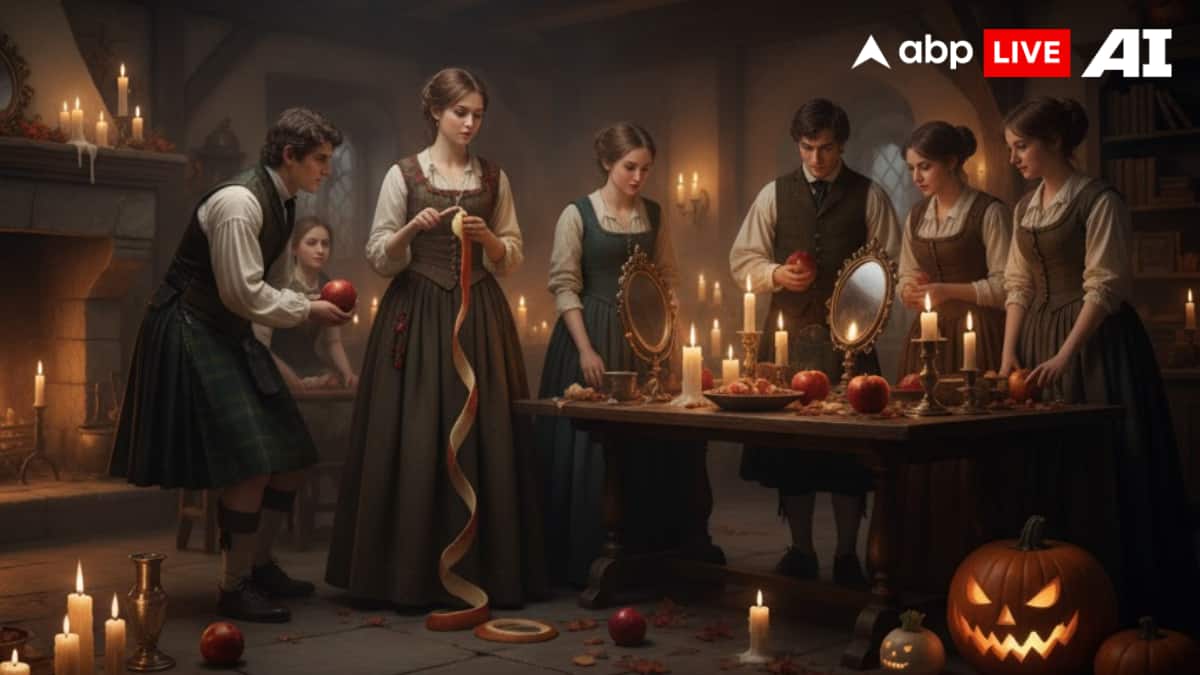
Before it became all about ghosts and ghouls, Halloween had a surprisingly romantic side. In the 18th and 19 centuries, young people in Ireland and Scotland used Halloween night for love and divination prospects. One popular game involved peeling an apple in a single strip, the shape it made when dropped was believed to represent the first letter of one’s future partner’s name. These charming customs, once whispered under the glow of candlelight, remind us that Halloween wasn’t always about fear.
6. The Full Moon Myth
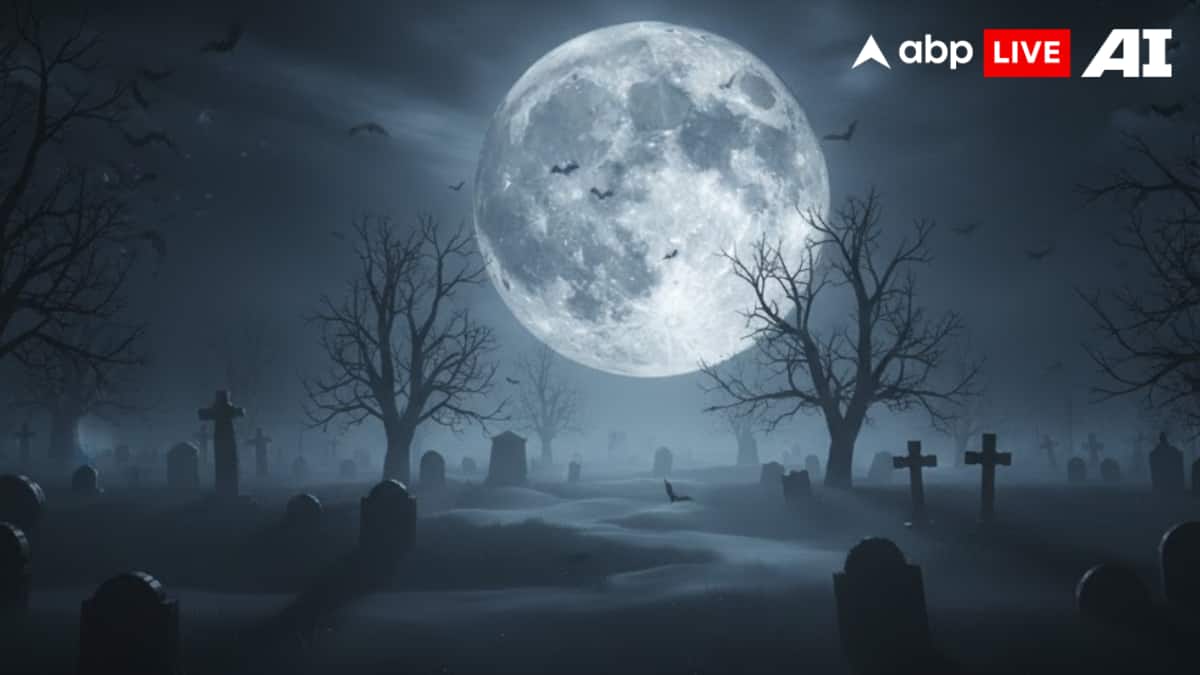
A glowing full moon is a Halloween cliché, but did you know it almost never happens? Despite being a staple in horror films, full moons on Halloween are extremely rare. The last one occurred in 2020 and won’t return until 2039. The fascination comes from ancient folklore, which saw the full moon as a time when supernatural energy peaked. Wolves howling, witches chanting, and spirits wandering, all these images stem from old beliefs connecting the moon to transformation and mystery.
7. Some Countries Celebrate Halloween Differently
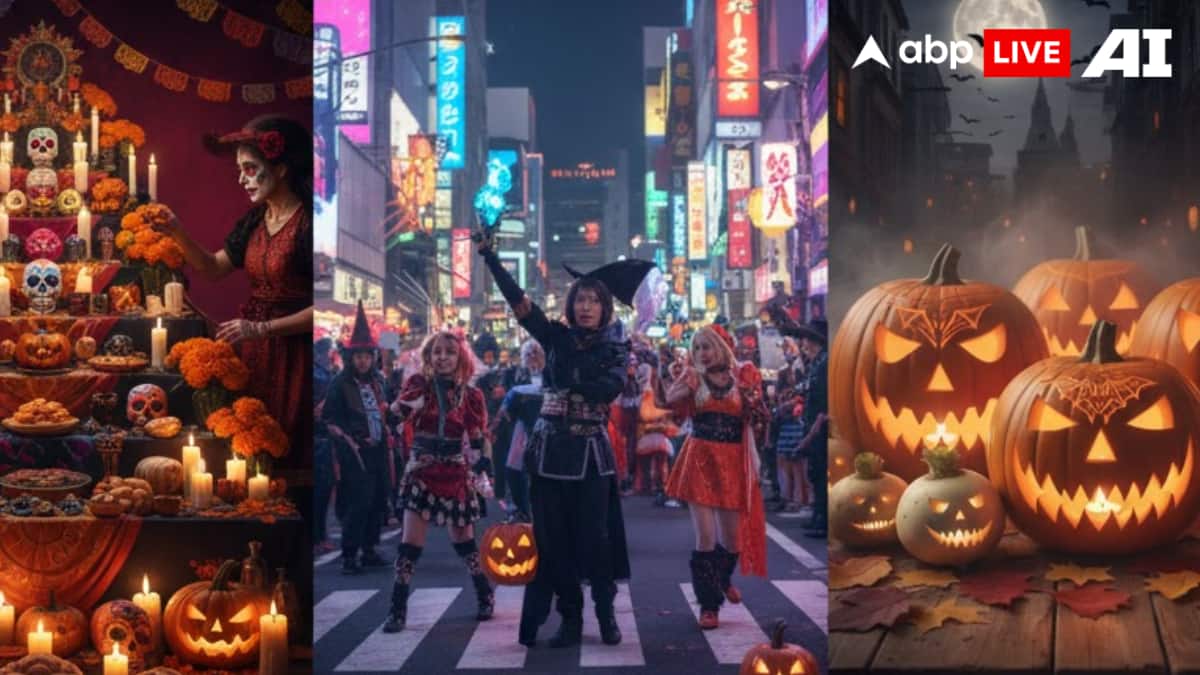
While the United States and the UK go all out with costumes and candy, other countries have their own unique takes on Halloween. In Mexico, Día de los Muertos honours ancestors with colourful altars, sugar skulls, and marigolds. In Japan, the Kawasaki Halloween Parade showcases elaborate cosplay, blending modern pop culture with festive spirit. Meanwhile, in the Philippines, “Pangangaluluwa” combines carolling and prayer for departed souls. These global traditions show how the essence of Halloween takes on countless forms around the world.
8. Halloween Is Big Business
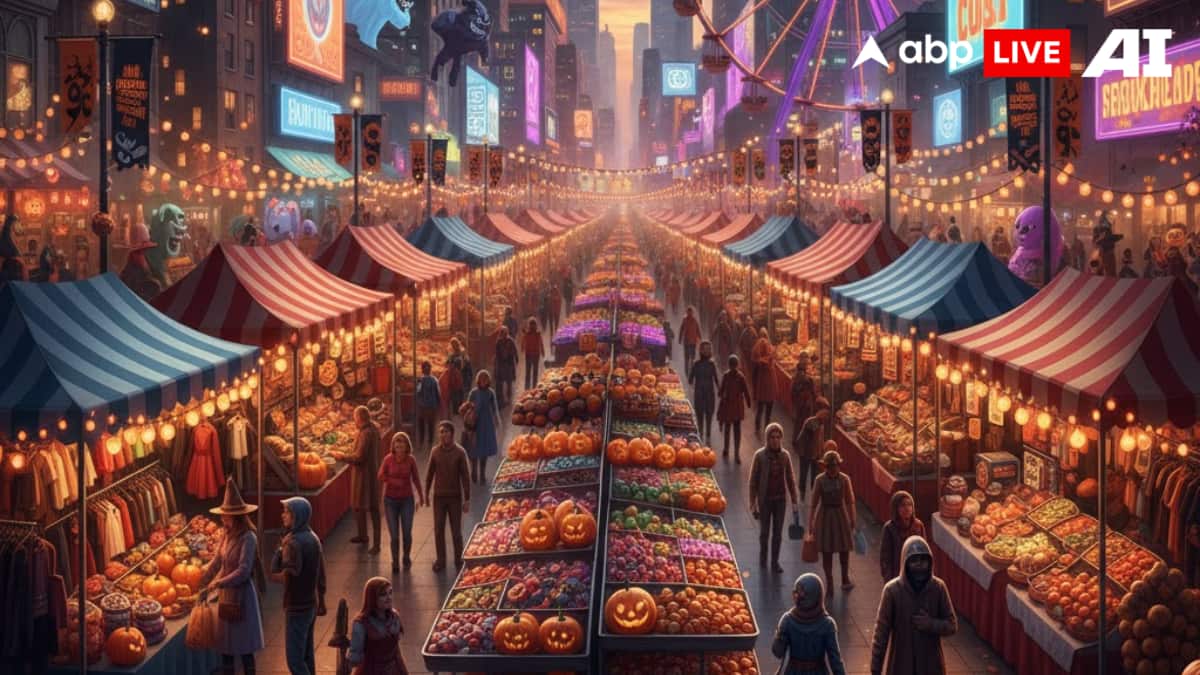
What began as a sacred festival has become a global economic phenomenon. Halloween now generates billions in spending on costumes, candy, decorations, and events. In the UK alone, Halloween spending has crossed hundreds of millions of pounds, while in the US, it rivals Christmas as one of the biggest retail holidays. Yet beneath the commercial glitter, the spirit of Halloween remains timeless. The modern celebration may be fuelled by commerce, but its heart still beats with the thrill of the unknown.

Top Headlines