10 Common Mistakes Ruining Your Skin Without You Realising
These 10 common mistakes may be silently damaging your skin every day. From over-cleansing to skipping sunscreen, discover what’s ruining your skin without you realising.

Your skin is affected not just by what you apply on it, but also by tiny habits you don't even notice throughout the day. Many people struggle with dullness, acne, pigmentation or premature ageing without knowing that the real cause lies in the small mistakes they make daily. In 2025, with rising pollution, increasing screen time and a flood of trending skincare content, our skin needs extra protection and smarter decisions.
Let's explore the most common but unexpected mistakes that silently damage your skin.
ALSO READ: 8 Genius Beauty Hacks Using Ingredients Already In Your Kitchen
1. Over-Cleansing Your Skin
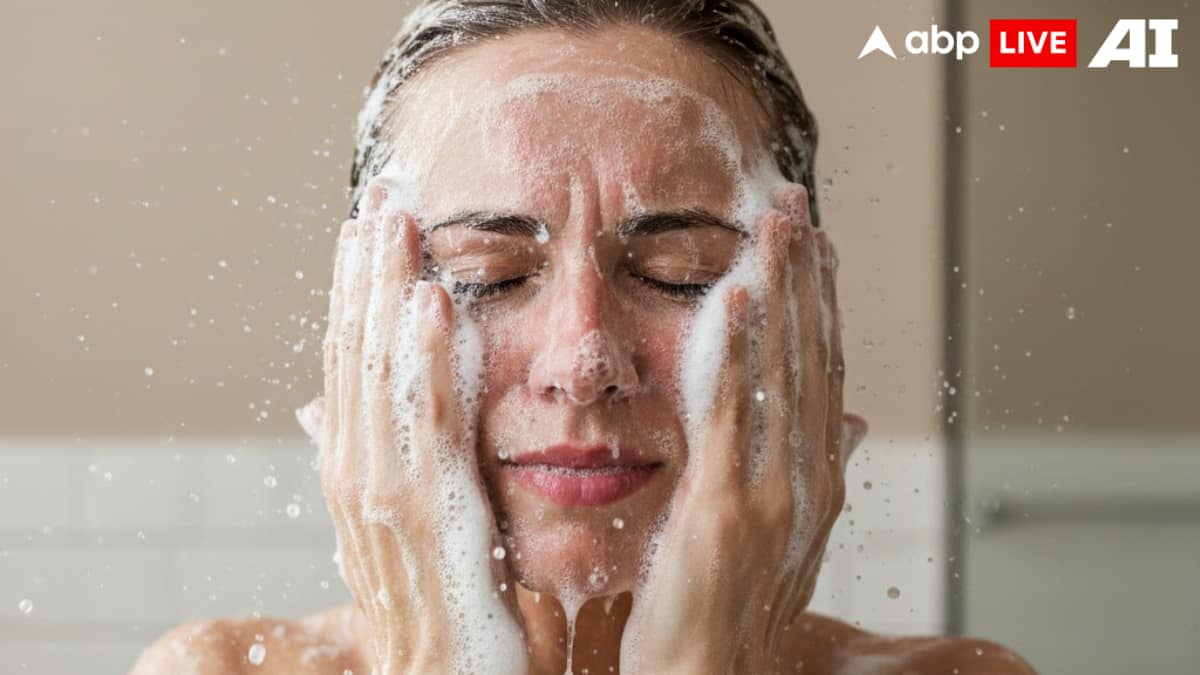
Over-cleansing is one of the most common yet least recognised reasons behind breakouts, dryness, and irritation. Many people believe washing their face frequently keeps it clean, but excessive cleansing strips away natural oils that maintain the skin's protective barrier. keeps it clean, but excessive cleansing strips away natural oils that maintain the skin’s protective barrier. When this barrier is damaged, the skin becomes more vulnerable to acne-causing bacteria, inflammation and sensitivity. Over-cleansing also triggers your sebaceous glands to produce more oil to compensate for the dryness, causing oily T-zones, clogged pores and unexpected breakouts. If your face feels tight, squeaky or dry after washing, it’s a sign you’re over-cleansing.
2. Skipping Sunscreen Indoors And During Winters

Most people think sunscreen is only necessary when stepping outdoors, but this is a major misconception. Sun damage occurs not just through UVB rays but also UVA rays. These rays enter through windows, car windshields and even cloudy skies. Indoor lighting also contributes to photo-ageing. In winters, sunscreen is often neglected, but UV radiation remains present and just as harmful. Dermatologists stress that sunscreen should be applied every day. A broad-spectrum SPF 30 or SPF 50 protects against UV rays, reduces tanning, prevents sunspots and slows down signs of ageing. If you're struggling with uneven skin tone, dullness or premature fine lines, skipping sunscreen might be the hidden culprit.
3. Sleeping With Makeup Or Sunscreen On

Leaving makeup or sunscreen on overnight is one of the quickest ways to damage your skin. Even if your makeup is labelled “non-comedogenic,” sleeping with it clogs pores, traps dirt and prevents the skin from breathing. Sunscreen, too, tends to mix with sweat, oil and pollution throughout the day, creating a layer that needs thorough cleansing. When left overnight, it causes blackheads, whiteheads, breakouts and rough skin texture. Your skin repairs itself at night, producing collagen and flushing out toxins. When makeup blocks this process, the skin becomes congested and inflamed. Experts recommend double cleansing, starting with a cleansing balm or micellar water followed by a gentle face wash. Removing makeup before bed is non-negotiable if you want clear, glowing skin.
4. Not Moisturising Because Your Skin Feels Oily
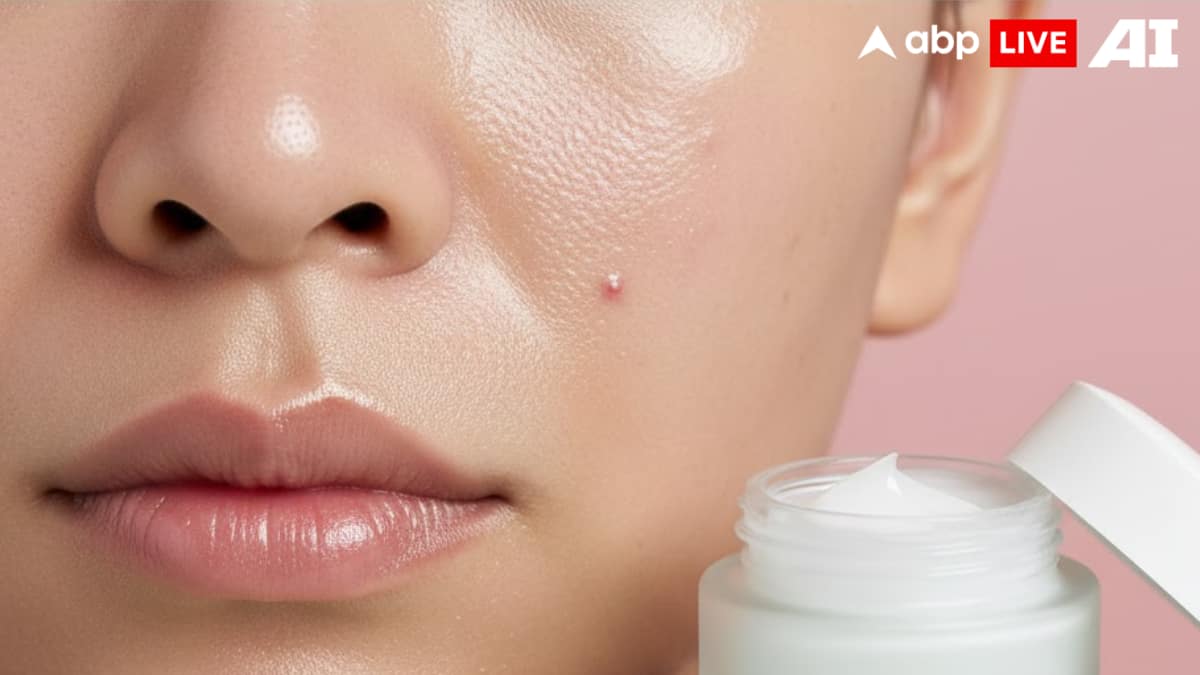
Many people with oily or acne-prone skin skip moisturiser, believing it will make their skin shinier or worsen breakouts. In reality, avoiding moisturiser triggers the opposite effect. Hydration and oiliness are not the same. Even oily skin can be dehydrated, especially due to AC exposure, harsh cleansers or hot showers. A lightweight, gel-based, non-comedogenic moisturiser helps balance the skin’s moisture levels without weighing it down. Ingredients like hyaluronic acid, niacinamide, glycerin and ceramides support hydration, repair the skin barrier and reduce redness. Skipping moisturiser is a hidden mistake that silently weakens your skin, especially if you live in air-conditioned environments or polluted cities.
5. Picking Or Squeezing Pimples
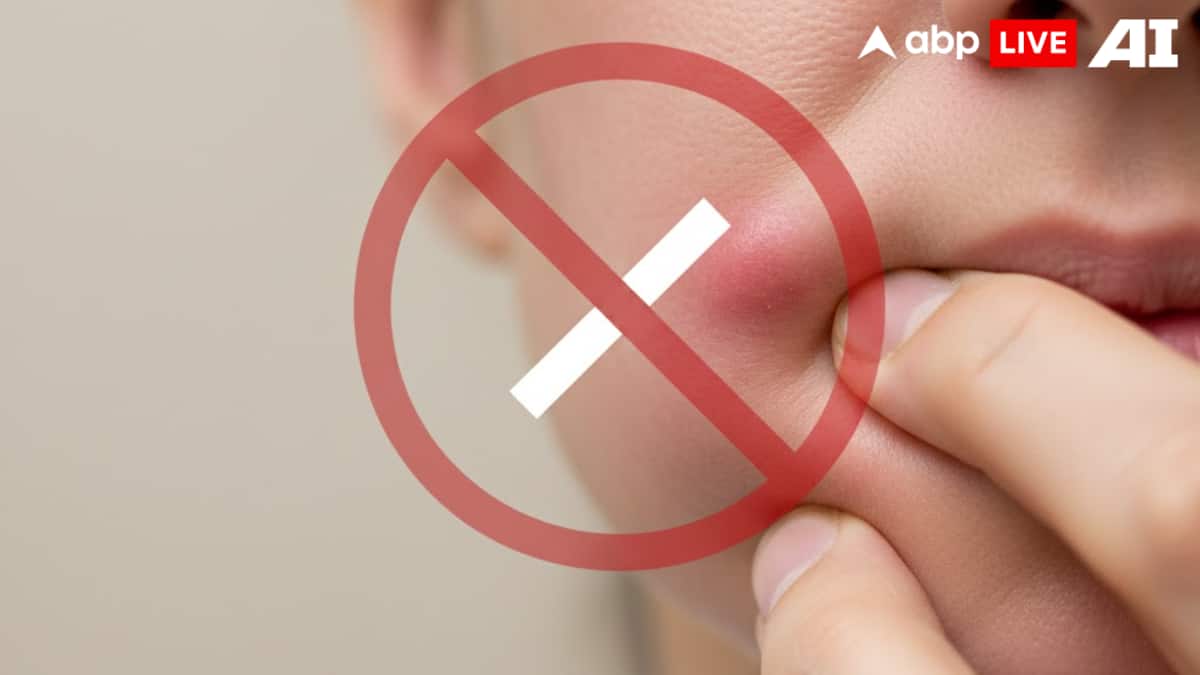
Pimple-popping might feel satisfying, but it causes long-term damage. When you squeeze a pimple, you push bacteria and inflammation deeper into the skin, causing more swelling and redness. It also increases the risk of permanent scars and pigmentation. Dirty nails, excessive pressure, and repeated touching can introduce new infections. Dermatologists recommend hands-off healing, spot treatments with salicylic acid or benzoyl peroxide, and hydrocolloid patches to safely extract fluids. Even if the pimple disappears quickly, the scars and marks left behind can take months to fade. In the long run, picking pimples does more harm than the pimple itself.
6. Using Too Many Products At The Same Time
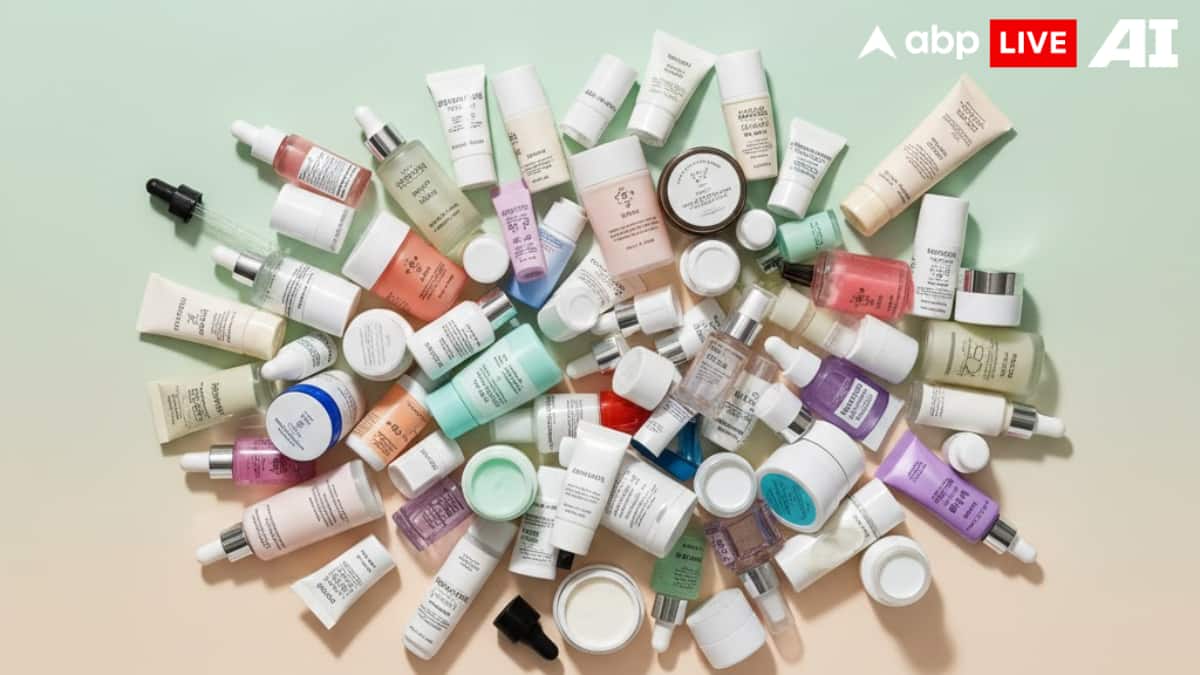
With the rise of skincare influencers and viral product recommendations, many people end up using too many products, leading to over-exfoliation, sensitivity and chemical burns. Layering multiple serums or experimenting with strong actives without understanding their interactions overwhelms the skin and disrupts its natural rhythm. Retinol, AHAs, BHAs, vitamin C and peptides all have benefits, but not when used without guidance. Overusing exfoliants can strip the barrier, causing redness, stinging, breakouts and rough patches. If you notice sudden irritation, your skin routine might be too complicated. Start slow, patch-test new products and introduce one active at a time.
7. Not Cleaning Your Phone, Pillowcases, And Makeup Tools

Your phone screen carries more bacteria than you realise. Every time you press it against your face, the germs transfer onto your skin, leading to breakouts, especially on the cheeks and jawline. Pillowcases also collect oil, sweat, hair products and dust, which rub against your face while sleeping. Similarly, dirty makeup brushes and sponges accumulate bacteria that clog pores and cause infections. These unnoticed triggers can sabotage your skincare routine even if you use high-quality products. Washing pillowcases weekly, sanitising your phone daily and cleaning makeup tools regularly can drastically reduce acne flare-ups.
8. Taking Hot Showers Too Often

Hot showers feel relaxing, but they are extremely damaging for your skin. Hot water strips away natural oils, weakens the skin barrier and causes rapid moisture loss. This leads to dryness, itching, redness and irritation. People with eczema or sensitive skin are especially vulnerable. Frequent hot showers also trigger dehydration, making the skin look dull and stretched. Switching to lukewarm water helps maintain hydration and keeps the barrier healthy. Applying a moisturiser immediately after bathing locks in moisture and restores softness.
9. Ignoring Your Neck And Hands
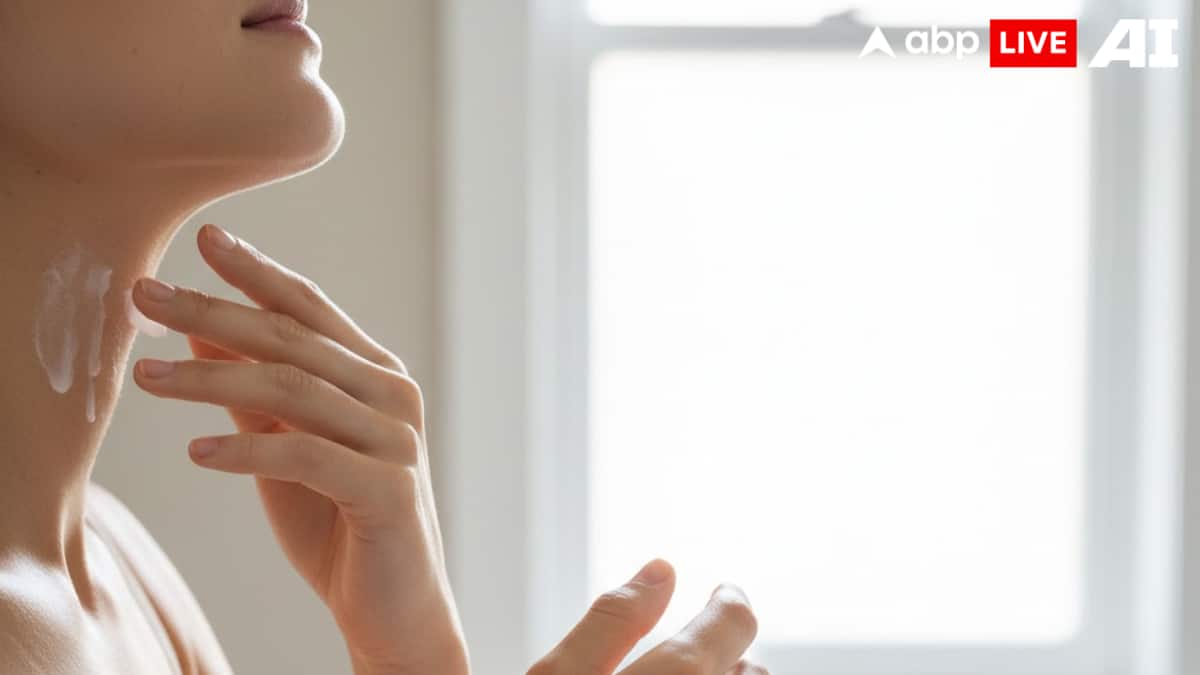
While most people focus only on their face, the neck and hands show signs of ageing much earlier. These areas get sun exposure, lose collagen faster and are prone to dryness. Forgetting sunscreen and moisturiser here causes wrinkles, sagging and pigmentation. Simply extend your moisturiser, sunscreen and serums downwards. Hands also need SPF, especially while driving or working outdoors.
10. Excessive Screen Time Without Blue-Light Protection

With long hours spent on laptops and phones, blue light exposure has become a real skincare concern. Blue light penetrates deeper than UV rays and contributes to pigmentation, dullness and premature ageing. Many people notice dark patches or melasma worsening due to uninterrupted screen exposure. Using blue-light-protective skincare, matte sunscreens with iron oxides and adjusting screen brightness can help. Taking regular breaks and using night mode also reduces stress on your skin.

Top Headlines