Bangladesh Freezes Visa Services In Three Indian Cities Amid Unrest Back Home
The Bangladesh High Commission in New Delhi halted visa operations for an indefinite period after a small group of protesters gathered near the mission, according to people familiar with the matter.
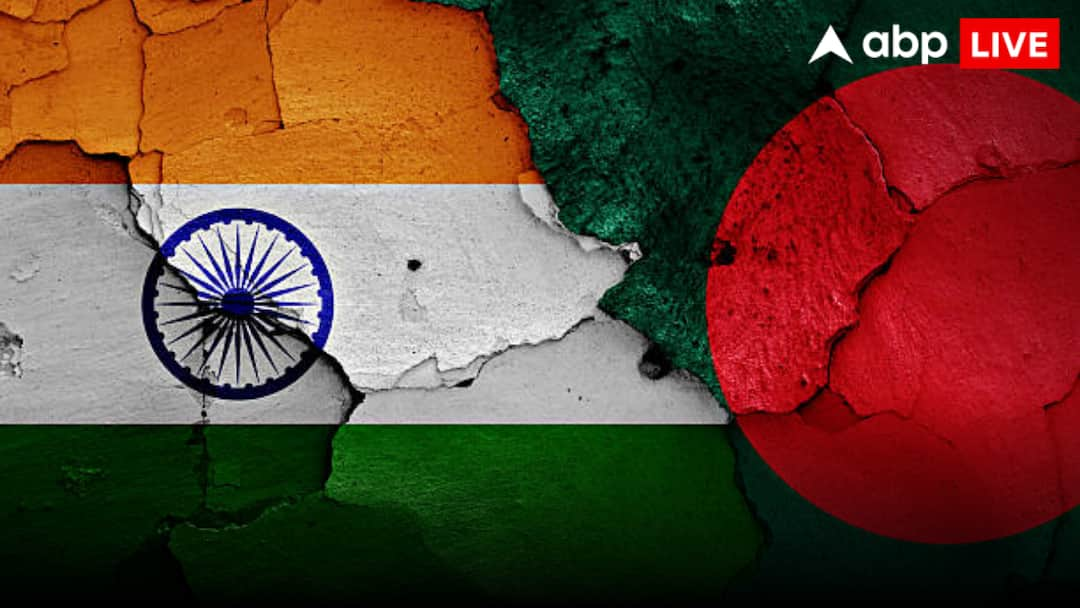
Bangladesh on Monday suspended visa services at multiple locations in India, citing “unavoidable circumstances”, as protests and vandalism targeting its diplomatic missions unfolded against the backdrop of worsening bilateral ties.
Visa Services Suspended in Delhi, Agartala and Siliguri
The Bangladesh High Commission in New Delhi halted visa operations for an indefinite period after a small group of protesters gathered near the mission, according to people familiar with the matter.
In the northeastern state of Tripura, Bangladesh’s Assistant High Commission in Agartala announced a suspension of visa services on Sunday following a protest by the Tipra Motha Party and other groups outside the premises.
Visa services provided by a private operator on behalf of Bangladesh in Siliguri, West Bengal, were also stopped after an incident of vandalism, the people said, speaking on condition of anonymity.
Notices issued by the missions in New Delhi and Agartala stated that all consular and visa services would remain suspended until further notice due to “unavoidable circumstances”. Officials said staff at the Agartala mission continue to remain in place.
Unrest in Bangladesh and Anti-India Protests
The suspensions come amid widespread unrest in Bangladesh following the death of radical student leader Sharif Osman Hadi last week. Hadi, known for his criticism of India, died in Singapore while undergoing treatment after being shot by gunmen in Dhaka.
The protests that followed have increasingly taken on anti-India overtones. On December 18, a large mob attempted to storm India’s Assistant High Commission in the southern Bangladeshi city of Chittagong, prompting police to use tear gas and batons to disperse the crowd. Indian visa services were subsequently suspended in Chittagong.
Demonstrations were also reported outside Indian missions in Dhaka, Khulna and Rajshahi last week.
Claims Over Assailants and Official Responses
For several days, student leaders and political figures in Bangladesh alleged that those responsible for Hadi’s killing had fled to India and demanded their handover. However, Bangladesh Police said on Sunday that the whereabouts of the assailants remain unknown.
India on Sunday dismissed reports of a security breach at the Bangladesh High Commission in New Delhi as “misleading propaganda”. New Delhi also expressed concern over the “horrendous killing” of Dipu Chandra Das, a Hindu man who was lynched during the recent unrest after being accused of blasphemy.
The Ministry of External Affairs said that 20 to 25 youths gathered outside the Bangladesh High Commission late on Saturday to protest Das’s killing and were later dispersed by police.
Divergent Positions Between New Delhi and Dhaka
Bangladesh’s de facto foreign minister Touhid Hossain disputed India’s account of the New Delhi incident, asserting that there had been a serious lapse in security. Dhaka’s foreign ministry also rejected characterising Das’s lynching as an attack on religious minorities.
Bilateral Ties at a Low Point
India-Bangladesh relations have sharply deteriorated since the collapse of the Sheikh Hasina government following student-led protests and the formation of a caretaker administration headed by Muhammad Yunus. The unrest triggered by Hadi’s death has further deepened tensions between the two neighbours.
Before You Go
Breaking: Kangana-Ramdev Row Escalates as ‘Character’ Remark Sparks Fresh Political Storm

Top Headlines