Winter Smog Alert: 7 Indoor Plants That Can Help You Breathe Cleaner At Home
As winter smog intensifies and AQI levels continue to fall, improving indoor air quality becomes essential. Here are some indoor plants, that help remove toxins and create a cleaner home environment.

As winter sets in, rising smog levels and a worsening Air Quality Index (AQI) make it increasingly difficult to maintain a healthy indoor environment. With pollutants drifting indoors and lingering for long hours, many households are turning to natural solutions to create cleaner, safer breathing spaces. Indoor plants have emerged as simple yet effective companions in tackling airborne toxins. Here are some powerful green allies that can help you breathe easier through the winter smog.
ALSO READ: Breathing City Air? 8 Everyday Detox Rituals To Protect Your Skin, Lungs, And Immunity
Areca Palm
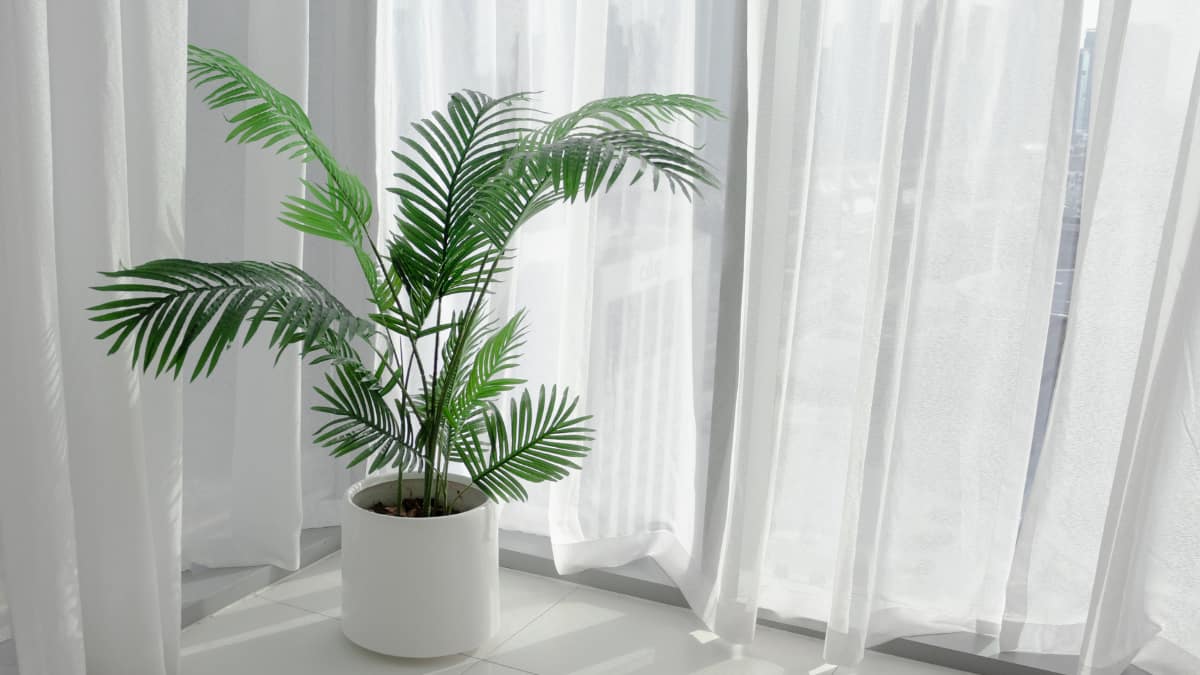
The Areca Palm is widely regarded as one of the most efficient natural air purifiers, especially during winter when indoor pollution surges. This elegant palm also acts as a natural humidifier, crucial when dry winter air makes breathing uncomfortable. It thrives in bright, indirect light and enjoys evenly moist soil. With regular watering and gentle care, the Areca Palm stands as a graceful yet powerful protector against winter smog.
Snake Plant
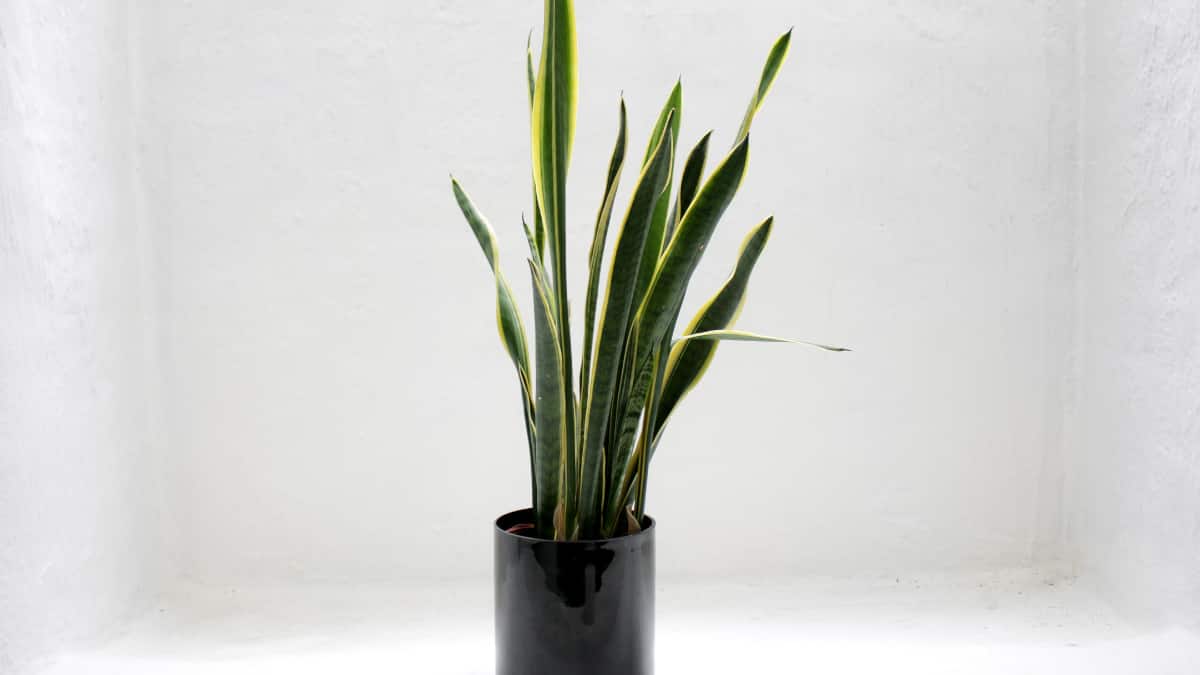
The Snake Plant is one of the toughest companions you can bring home during the pollution-heavy season. It releases oxygen even at night, helping counter stagnant indoor air that worsens in winter. Known for filtering benzene, formaldehyde, and trichloroethylene, this plant thrives even in low light and dry conditions. Its sculptural leaves make it both functional and decorative.
Money Plant

A familiar sight in Indian homes, the Money Plant becomes even more valuable during winter pollution peaks. Studies highlight its ability to remove harmful VOCs such as formaldehyde and xylene while also improving humidity and stabilising room temperatures, something winter dry air disrupts easily. It grows happily in low to medium light and prefers its soil to dry out slightly between waterings.
Spider Plant
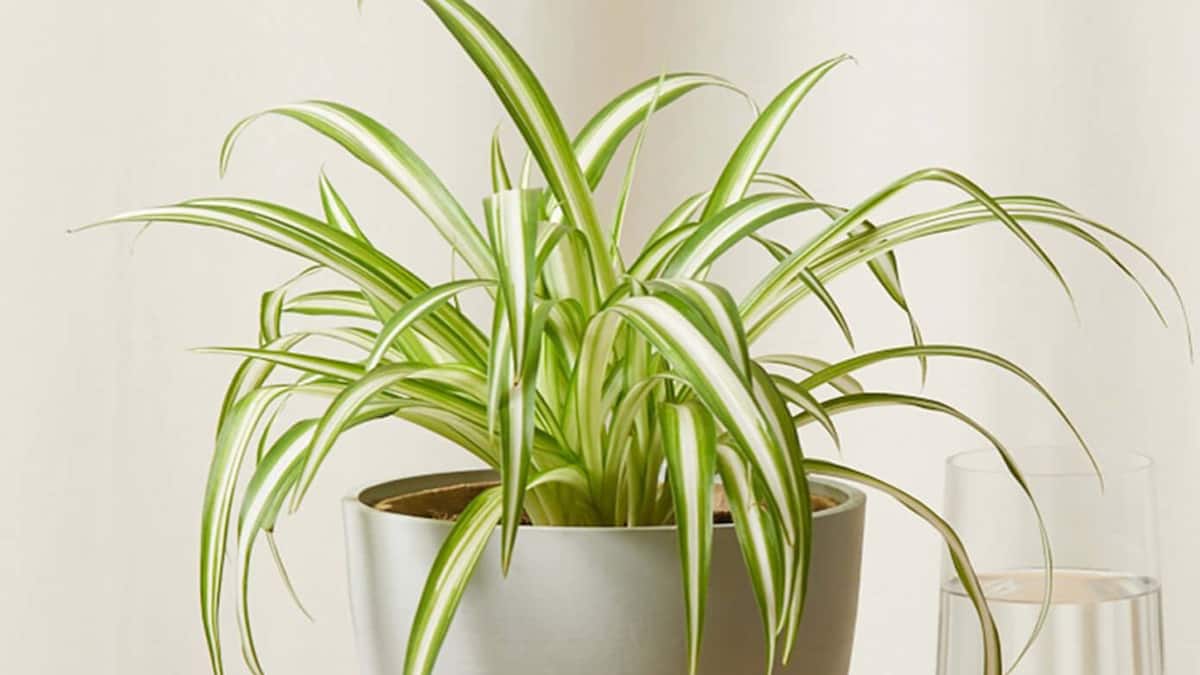
Easy-going and beginner-friendly, the Spider Plant becomes a true hero when winter pollutants creep indoors. It absorbs formaldehyde and xylene, two common pollutants that build up in enclosed spaces with poor ventilation. Spider plants prefer bright, indirect light and enjoy slightly drying out before the next watering. They also produce 'spiderettes,' which you can root to grow more plants, creating an expanding indoor purification system.
Rubber Plant
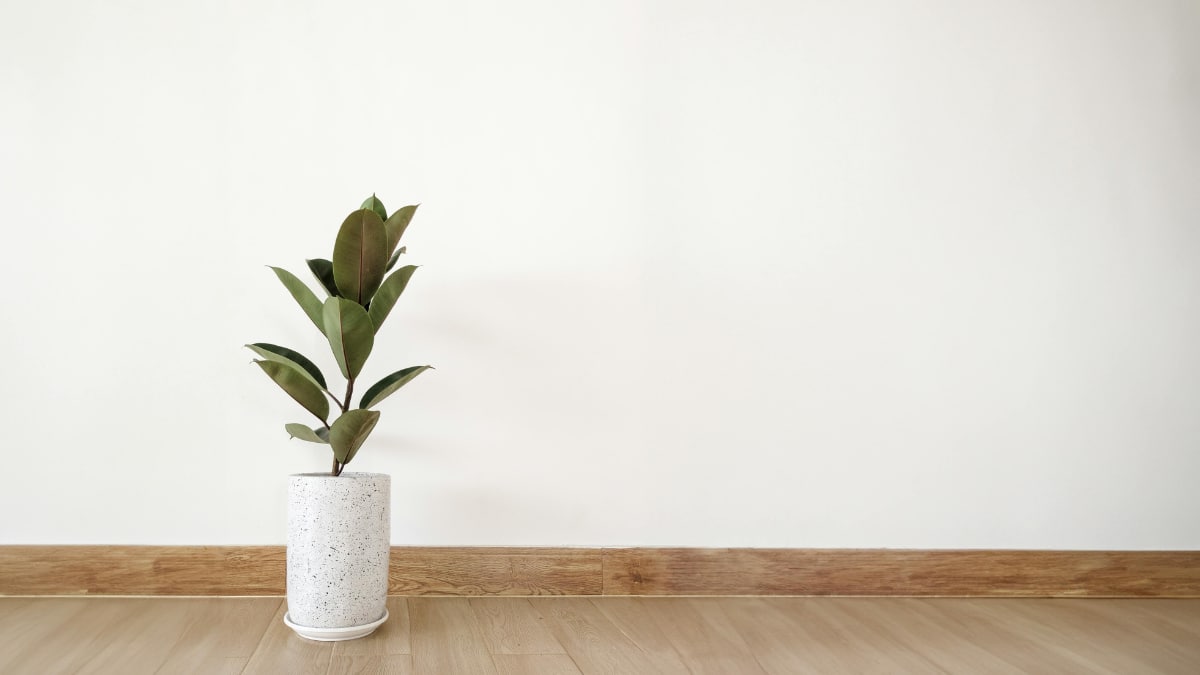
With its broad, glossy leaves, the Rubber Plant adds visual richness while working hard to fight indoor pollution during winter smog. It is incredibly effective at absorbing formaldehyde and enhancing oxygen levels, making it a dependable choice for enclosed rooms. The plant prefers bright, indirect light, and its leaves benefit from regular wiping to remove dust, helping them absorb pollutants more efficiently. As it grows tall, it becomes a statement piece as well as a functional purifier.
Bamboo Palm
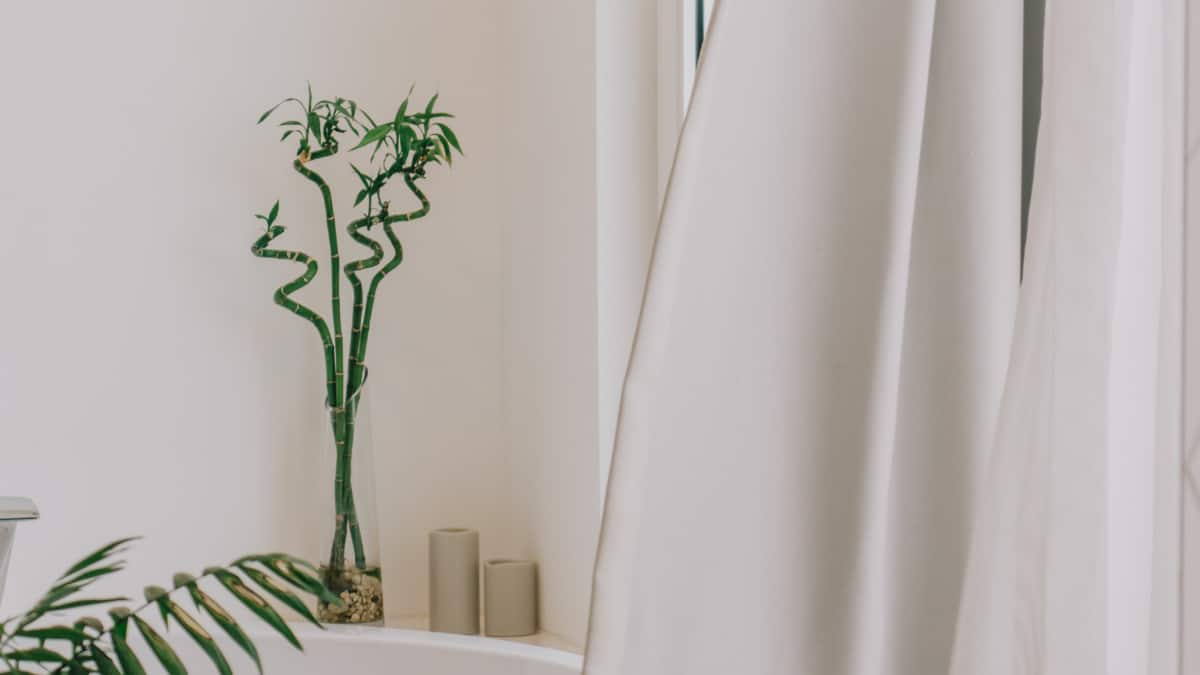
The Bamboo Palm brings a soft, tropical touch to winter homes while enhancing air quality. Similar to the Areca Palm, it filters benzene and trichloroethylene and also adds humidity to counteract dry winter conditions. It performs well in lower light but thrives best in filtered sunlight. Keeping the soil consistently lightly moist and misting occasionally helps the plant stay lush and effective throughout the smog-filled season.
Aloe Vera
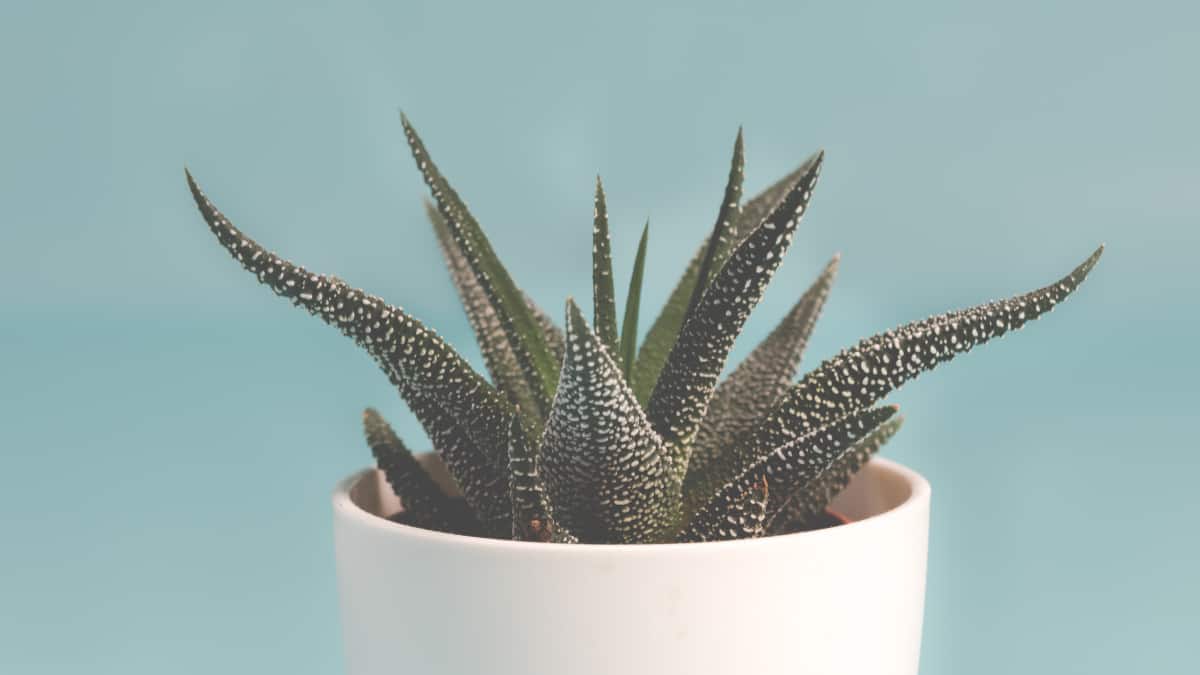
Aloe Vera is more than just a medicinal plant, it becomes a valuable winter purifier inside your home. It removes toxins like formaldehyde and benzene while producing oxygen at night, which helps maintain fresher indoor air. This succulent prefers bright light and well-draining soil. A deep but infrequent watering schedule helps it flourish, even during colder months when indoor air quality drops significantly.

Top Headlines