




Dalia is generally better for weight loss due to its higher fiber content, which keeps you full longer. It also has lower calories compared to Upma.
Explorer
Dalia vs Upma: Which Breakfast Wins The Weight Loss Battle? The Answer May Surprise You!
Confused between dalia and upma for your morning meal? Learn how each affects weight control, energy levels, digestion and overall health with this easy breakfast comparison.

Dalia or Upma? Find out which Indian breakfast truly supports weight loss goals.
Source : ABPLIVE AI
- Dalia, from broken wheat, offers high fiber, slow digestion.
- Upma, made from semolina, provides quick energy, digests faster.
- Dalia promotes longer fullness, lower calories, better for weight loss.
- Both can be healthy; dalia edges out for weight control.
In millions of Indian kitchens every morning, the same delicious debate plays out, Dalia or Upma? Both of them are warm, comforting, and easy to cook. But if you're on a weight-loss journey this year, your breakfast choice can either push you closer to your goals or quietly hold you back.
So which one deserves the top spot on your plate? Let’s break it down in a way that’s simple, fun and genuinely helpful.
ALSO READ: 7 Diabetes Skin Symptoms That Signal Uncontrolled Blood Sugar – Don’t Ignore These Warning Signs
Nutritional Showdown
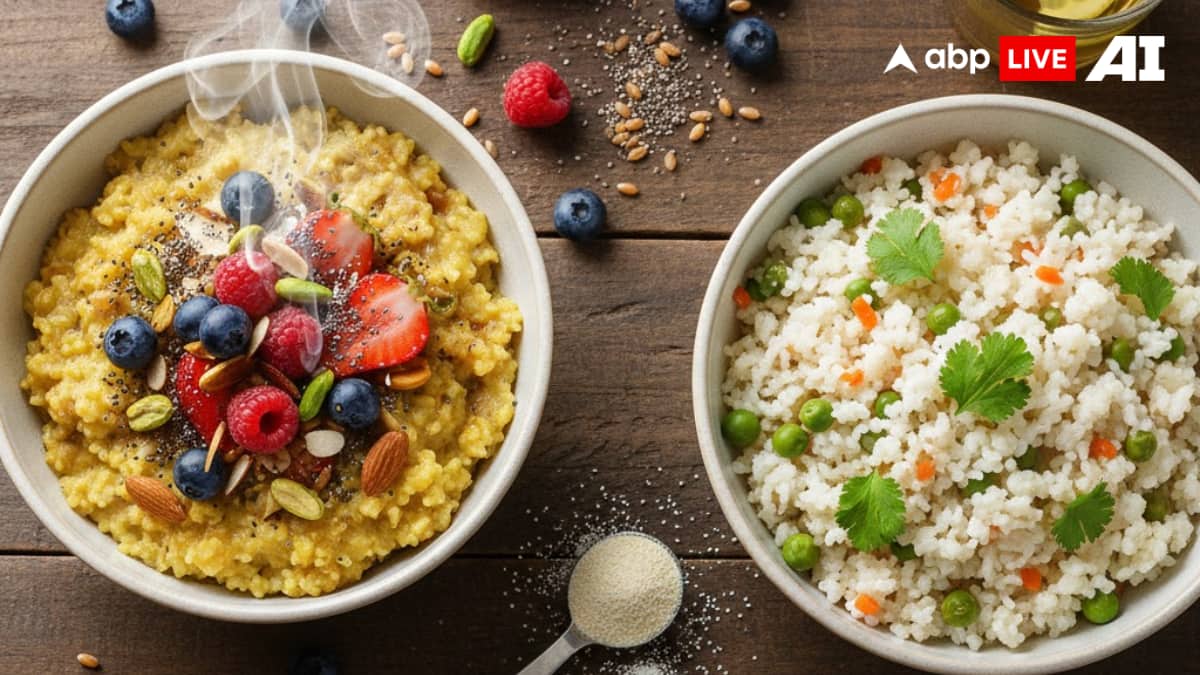
Dalia, made from broken whole wheat, is packed with dietary fibre and complex carbohydrates. It digests slowly, keeps blood sugar stable and helps control sudden hunger pangs, a major win for anyone trying to shed kilos.
Upma, prepared from semolina or refined wheat, is lighter on the stomach and digests faster. It offers quick energy but may leave you reaching for snacks sooner compared to dalia.
Weight-Loss Advantage: Dalia, thanks to its long-lasting fullness.
Calorie Comprison: Who's Lighter?
- One Bowl Of Cooked Dalia: approx 150–180 calories
- One Bowl Of Upma: approx 200–220 calories (can rise further with ghee, oil or nuts)
Dalia naturally keeps calories lower without sacrificing satisfaction, making portion control easier.
Protein, Iron, And Essential Nutrients
Dalia contains higher protein and iron, both of which boost metabolism and support muscle health, essential for fat loss.
Upma provides B-vitamins and becomes more nutritious when loaded with vegetables, but on its own, it offers less fibre and protein than dalia.
The Final Verdict: Which Helps You Lose Weight Faster?
If your main goal is weight control and fat loss, dalia clearly takes the lead:
- More fibre
- Lower calories
- Keeps you full for longer
- Supports metabolism
That said, upma can still be part of a healthy diet when cooked with minimal oil and plenty of vegetables — making it a lighter, wholesome option on busy mornings.
Pro Tip For Faster Result
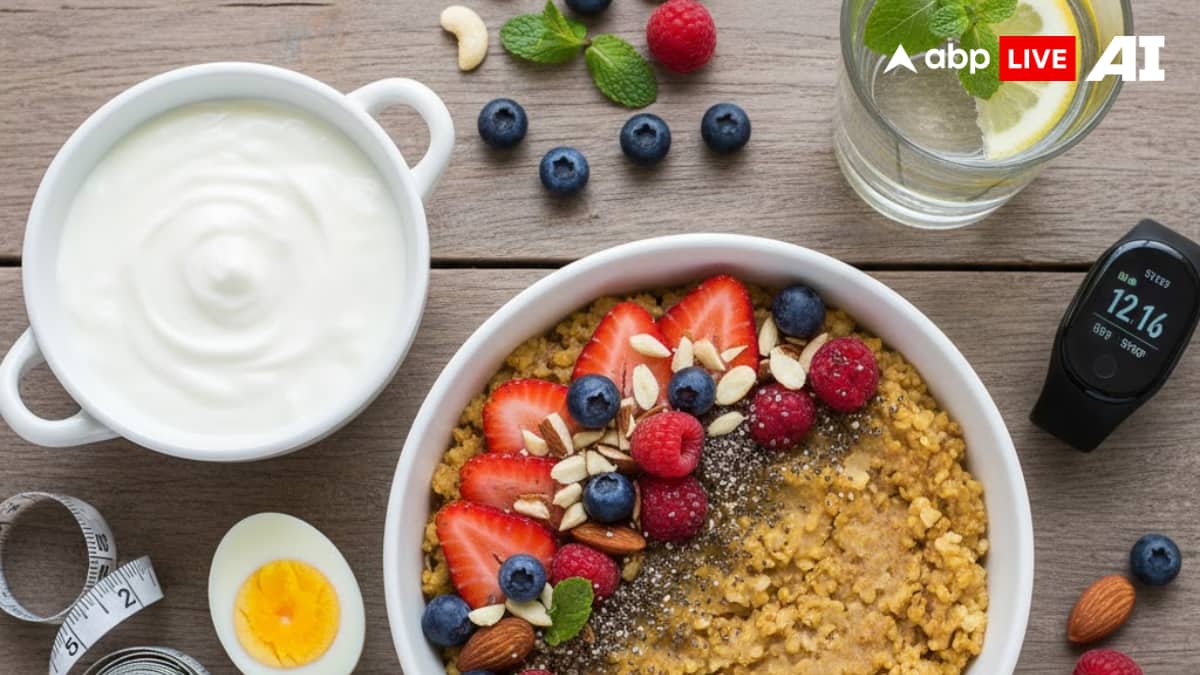
Pair your breakfast with:
- Fresh fruits
- A boiled egg or yoghurt
- Plenty of water
Small changes = powerful results.
Your breakfast is the first message you send to your body every day. Choose wisely, and your future self will thank you.
[Disclaimer: The information provided in the article is intended for general informational purposes only. It is not a substitute for professional medical advice, diagnosis, or treatment. Always seek the advice of your physician or other qualified healthcare provider with any questions you may have regarding a medical condition.]
Check out below Health Tools-
Calculate Your Body Mass Index ( BMI )
Frequently Asked Questions
Which breakfast option is better for weight loss: Dalia or Upma?
What are the nutritional benefits of Dalia?
Dalia is rich in dietary fiber and complex carbohydrates, which aid in slow digestion and blood sugar stability. It also contains more protein and iron.
How do Dalia and Upma compare in terms of calories?
A bowl of cooked Dalia typically has 150-180 calories. A bowl of Upma generally contains 200-220 calories, which can increase with added ingredients.
Can Upma be part of a healthy diet for weight loss?
Yes, Upma can be a healthy option if prepared with minimal oil and loaded with vegetables. This makes it a lighter and more nutritious meal.

Top Headlines
Health

Childhood Cancer Survival In India Could Improve Over Next Five Years, Says AIIMS Delhi Professor
Health

5 Bedtime Habits That Can Affect Your Sleep Quality And Ways To Fix Them
Health

Blood Cancer Treatment: Bharat Biotech Partners With VeGen Bio, Targets 2028 Launch
Health

6 Ways To Protect Your Lungs From Air Pollution And Asthma Triggers









See Today's Weather 
powered by



