Warming World’s Unwelcome Guests: Mosquitoes And Vector-Borne Diseases Amid Climate Change
The confluence of climate change, international travel, and trade facilitates the dispersion of vectors to new regions, including non-tropical areas.

By Susanta Kumar Ghosh
Our venerable planet, Earth, commenced its existence approximately 4.6 billion years ago, constituting one-third of the age of the cosmos. Throughout its temporal journey, Earth has weathered various adversities, emerging each time with a renewed visage. Amidst this evolutionary narrative, numerous species have succumbed to the inexorable fate of extinction. The advent of modern humans, Homo sapiens, unfolded approximately 300,000 years ago in Africa, evolving from Homo heidelbergensis.
The burgeoning human population has become an eminent catalyst for a profound crisis, inflicting deleterious effects on climate patterns. In 1918, during the Spanish flu pandemic, which claimed the lives of 1% of the global populace (17.4 million people), the world's population stood at 1.8 billion. The human population at present has burgeoned exponentially, reaching 8.1 billion in the current year. India, contributing 330 million (33 crores) to the global population in 1920, has now exceeded 1.42 billion (142 crores), surpassing China in April 2023. The paramount challenge lies in ensuring universal freedom from hunger. India, in particular, faces an exigent demand for copious amounts of food, coupled with the essential requisites of water, necessitating additional support for health and environmental sustainability, particularly in urban areas. According to a World Bank report, the urban population in India is anticipated to treble from 11.4% in 1901 to 34% by the year 2030, posing a formidable challenge in the years ahead.
Climate change, an intricate phenomenon, denotes the prolonged and gradual warming of Earth attributable to anthropogenic emissions of greenhouse gases, primarily stemming from fossil fuel usage. This warming, in turn, induces alterations in oceanic temperatures, precipitating changes in the timing, geography, and intensity of weather patterns, with attendant consequences such as rising sea levels. The repercussions of climate change are extensive and rapidly exacerbating. Since 1900, global mean temperatures have risen by 1.10°C, with a significant portion of this change manifesting in the last five decades. Unless the trajectory of policies and actions undergoes a substantial transformation, a warming of 2.50°C to 2.90°C or more is projected by the close of this century.
The adverse effects of climate change are manifold, inflicting considerable harm on human health. Various weather and climate events, including droughts, flash floods, and prolonged heatwaves, exact a heavy toll on both human and animal lives. The incidence of extreme weather disasters, propelled by climate change, has quintupled in the past 50 years, claiming the lives of over 2 million people. Heat-related illnesses, such as strokes, extreme exhaustion, and chronic kidney diseases, have surged. Concurrently, non-communicable diseases, encompassing mental health, maternal and neonatal health, asthma, and diabetes, are on an upward trajectory.
Escalating temperatures imperil water security, facilitating rapid evaporation, leading to the melting of glacier snow and subsequent flooding, contributing to a rise in sea levels. This process engenders an increase in saline water in coastal areas, posing a substantial threat to freshwater-dependent food production. Should temperatures surpass a 2°C increase, regions reliant on glacier and snowmelt could experience a 20% decline in water availability for agriculture after 2050. Water-borne diseases, such as cholera, and vector-borne diseases are poised to escalate, potentially fomenting social unrest across multiple fronts.
Mosquitoes As Vectors In A Climate-Changed World
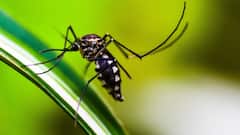
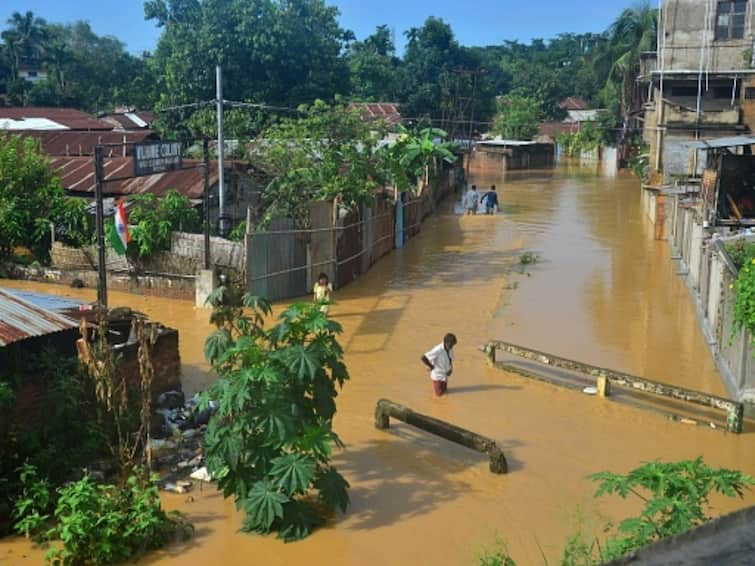
The preeminent impact of climate change is anticipated to be on vector-borne diseases. Global warming influences the survival, reproduction, abundance, and distribution of pathogens, vectors, and hosts. Mosquitoes, carriers of diseases such as malaria, dengue, chikungunya, Japanese encephalitis, and West Nile Virus, are anticipated to proliferate and survive at higher latitudes and longitudes. The geographical shift of mosquito species, exemplified by the unprecedented flood in Pakistan in 2022, underscores the complex dynamics of disease vectors and their ecological adaptations. The consequences of these shifts pose considerable challenges to public health globally.
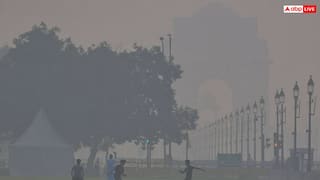
The escalating frequency and duration of heatwaves, such as those witnessed in Delhi, Australia, and other regions, contribute to substantial wage losses and engender a decline in domestic production. Recently, a drastic loss of approximately 10 billion snow crabs in the Bering Sea has been attributed to marine heatwaves that escalated the crabs' metabolism to the point of starvation, warranting serious concern.
The northward migration of mosquitoes, exemplified by the ascent of Aedes albopictus, the Asian tiger mosquito, to higher altitudes over the past decade, poses a formidable threat. This mosquito, a vector for diseases such as dengue and chikungunya, is suspected to transmit Japanese encephalitis and West Nile virus. The confluence of climate change, international travel, and trade facilitates the dispersion of vectors to new regions, including non-tropical areas.
Amid these challenges, concerted efforts are being made to achieve "zero emissions" by 2050, although recent trends suggest a deviation from such commitments. A recent study in The Lancet has underscored the significant financial backing by many banks in fossil fuel production, challenging the feasibility of reducing carbon emissions induced by fossil fuels. Given this scenario, urgent and collective action, endorsed by all heads of states, is imperative to address the exigencies of climate change and ensure global climate resilience, environmental sustainability and security.
The author was formerly with ICMR-National Institute of Malaria Research, Bangalore, and is currently Scientific Advisor at Eco BioTraps.
[Disclaimer: The opinions, beliefs, and views expressed by the various authors and forum participants on this website are personal and do not reflect the opinions, beliefs, and views of ABP Network Pvt. Ltd.]
Check out below Health Tools-
Calculate Your Body Mass Index ( BMI )
Top Headlines