Diwali Tradition Turns Tragic In Indore As 35 Suffer Burns During Centuries-Old Hingot Festival
A centuries-old tradition turned tragic in Indore, Madhya Pradesh, as 35 people sustained burn injuries during the annual Hingot Yuddh, a post-Diwali fire battle between rival teams.
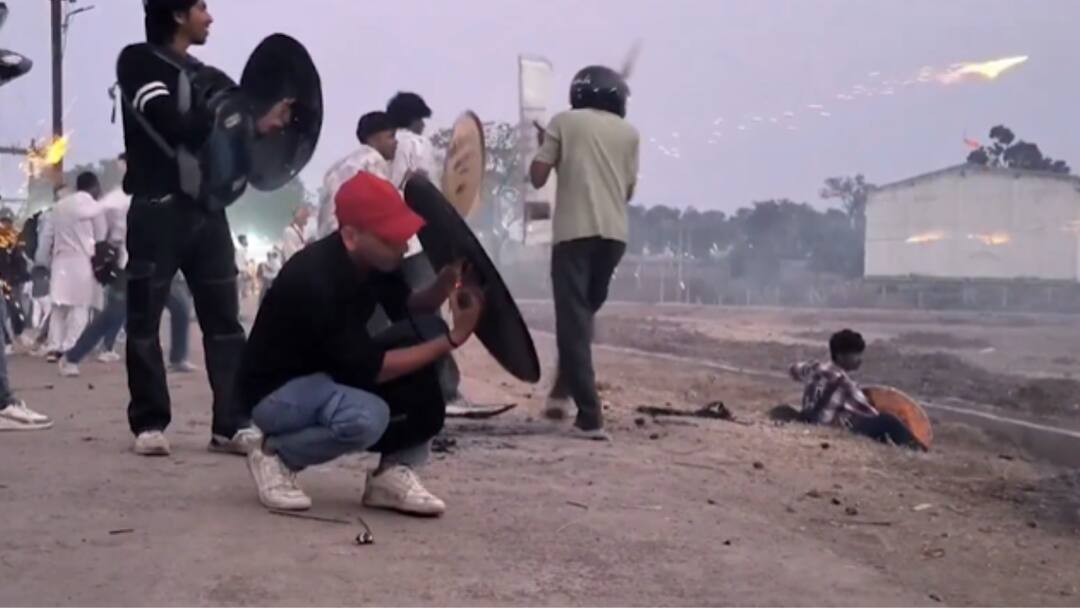
What was meant to be a dazzling display of bravery and tradition turned into a night of chaos and flames in Indore, Madhya Pradesh, when 35 people were injured during the annual Hingot Yuddh (Hingot Battle), a ritual held a day after Diwali. The injured were given first aid on-site before being rushed to nearby hospitals for treatment.
A Festival Of Fire And Fearlessness
Every year, thousands of spectators gather to witness the centuries-old clash between the Turra and Kalangi teams, rival groups whose fierce competition has been passed down through generations. Amid the sound of beating drums and clouds of smoke, warriors armed with burning Hingots, dried fruits filled with gunpowder, turn the festive grounds into a battleground of sparks and fire.
As men in traditional attire took their positions about 200 feet apart near the Devnarayan Temple, they prepared for the fiery showdown. With shields in hand and pouches of Hingots slung across their shoulders, they lit bamboo sticks and hurled blazing shells toward their opponents, igniting both the field and the crowd’s adrenaline.
Tradition Meets Turmoil
Despite the presence of fire brigades, ambulances, and police, chaos erupted as flaming Hingots flew across the air. The administration halted the spectacle about half an hour earlier than usual after several participants suffered burn injuries. Of the 35 injured, one was reported to be in critical condition and was referred to a hospital in Indore for specialized care.
This is not the first time the centuries-old ritual has raised safety concerns. In 2017, a young man lost his life during the Hingot battle, sparking renewed calls for a ban.
Calls For A Ban Amid Heritage Debate
A petition filed in the Madhya Pradesh High Court challenged the legality of the event, describing it as 'inhuman and life-threatening.' However, the case remains pending, and the tradition continues, defended passionately by locals who view it as a proud symbol of valor and heritage.
For many villagers, especially the youth of Gautampura and Runji, taking part in the Hingot Yuddh is not just about ritual; it’s a test of courage, faith, and endurance. The danger, they say, is part of what makes the event sacred.
About Hingot Battle
Legend traces the origins of the Hingot battle back to the Mughal era, when Maratha soldiers used the hollow Hingot fruit, once packed with gunpowder, as makeshift grenades during guerrilla warfare. Over time, this weapon of war transformed into a ceremonial offering, symbolizing bravery and defiance rather than destruction.
The Hingot itself is a wild fruit with a tough outer shell. After drying, its pulp is carefully removed and replaced with gunpowder, sealed with yellow clay, and stored until the day of the battle, when faith, fire, and fearlessness collide once again in this extraordinary, and often perilous, display of tradition.

Top Headlines