Delhi GRAP IV Activated: What’s Open, What’s Shut As Pollution In Capital Reaches Emergency Levels
Delhi enforces GRAP IV as AQI hits severe levels. Schools shift online, construction halts, non-BS-VI vehicles banned, offices cut staff presence to curb pollution.


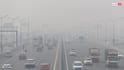
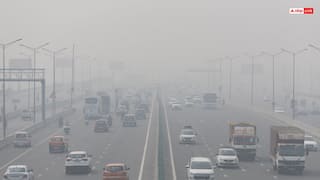
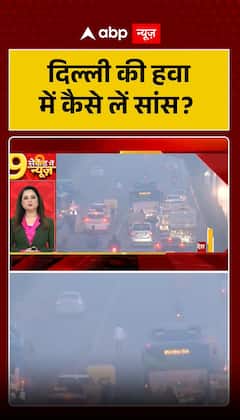
As winter pollution tightens its grip on Delhi-NCR, authorities have pulled the emergency brake. The Commission for Air Quality Management (CAQM) has enforced Stage IV of the Graded Response Action Plan (GRAP) after air quality in the national capital repeatedly slipped into the ‘severe’ zone.
This annual spike in toxic air is being fuelled by a familiar mixm stagnant weather conditions, rising vehicle emissions, firecracker smoke, and stubble burning in neighbouring states. With the Air Quality Index (AQI) refusing to improve, the toughest restrictions under GRAP are now in place.
Why GRAP IV Was Enforced
Under Central Pollution Control Board (CPCB) standards, an AQI between 0–50 is considered good. However, once levels climb from poor (201–300) to severe (401–500), emergency measures are triggered.
Over the past week, Delhi’s AQI has consistently crossed the severe threshold, leaving authorities with little choice but to invoke GRAP IV, the strictest stage of the pollution control framework.
So, what does this mean for daily life in the capital? Here’s a clear breakdown of what’s restricted, and what continues to function.
What Is Closed or Restricted Under GRAP IV
Schools Shift Online for Younger Students
The Delhi government has suspended physical classes for students from nursery to Class 5. Unlike earlier arrangements, parents no longer have the option to choose between online and offline classes.
For Classes 6 to 9 and Class 11, schools are operating in a hybrid mode, allowing students to attend lessons online if they wish.
Offices to Operate With Half the Workforce On-Site
Both government and private offices must limit on-site attendance to 50 per cent staff, with the remaining employees working from home. Employers have also been advised to introduce flexible working hours wherever feasible to reduce peak-hour congestion.
Entry Ban on Non-BS-VI Vehicles
Starting December 18, only Bharat Stage-VI (BS-VI) compliant vehicles will be allowed to enter Delhi. The announcement was made by Delhi Environment Minister Manjinder Singh Sirsa, effectively barring all non-BS-6 vehicles from the city as pollution levels worsen.
No Fuel Without a Valid PUC Certificate
Vehicles lacking a valid Pollution Under Control (PUC) certificate will not be allowed to refuel at petrol pumps in Delhi from December 18. Automated cameras installed at fuel stations will identify and flag non-compliant vehicles.
Complete Halt on Construction Activities
All construction and demolition work has been suspended. This includes linear public infrastructure projects such as highways, roads, flyovers, power transmission lines, pipelines, and telecom works, activities that are otherwise permitted under lower GRAP stages.
Coal and Firewood Tandoors Prohibited
The Delhi Pollution Control Committee (DPCC) has directed all restaurants and eateries to stop using coal and firewood tandoors. Only electric or gas-operated tandoors are allowed, with strict enforcement mandated across the city.
What Remains Allowed During GRAP IV
Public Transport Encouraged
Residents are strongly urged to rely on public transport, including the Delhi Metro and DTC buses, to cut down on private vehicle usage and emissions.
Permitted Vehicle Categories
The following vehicles are allowed to enter Delhi:
- LNG, CNG, and Electric vehicles
- BS-VI diesel trucks
Airports and Railways Fully Operational
All airports and railway stations across the country remain operational. Services will continue unless disrupted by extreme conditions such as dense smog or low visibility.
Emergency and Essential Services Unaffected
Critical services remain fully functional, including:
- Public and private healthcare facilities
- Fire and prison services
- Electricity, water, sanitation, and municipal services
- Disaster management operations
Special Exemptions
Departments and agencies involved in air pollution control, monitoring, and enforcement—such as teams working on biomass burning prevention, dust control, and GRAP implementation—are exempt from the restrictions. Other essential and emergency services also continue uninterrupted.
Top Headlines