Want To Withdraw From PPF Early? Here’s Everything You Should Know About The Rules
Life’s uncertainties don’t always wait 15 years. For those who need liquidity sooner, the PPF allows partial withdrawals, but under specific conditions.
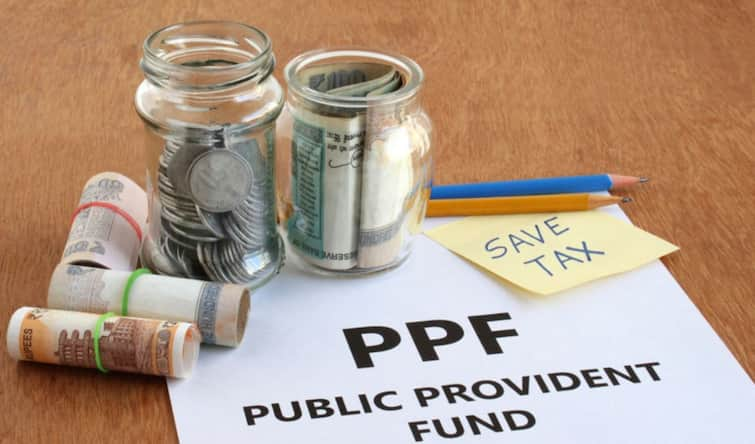
- PPF accounts mature after 15 years, offering tax-free withdrawals of principal and interest.
- Partial withdrawals are allowed from the seventh year, with limits on amounts.
- Premature closure is permitted after five years for specific reasons, with interest penalty.
The Public Provident Fund (PPF) has long been one of India’s most trusted investment options, a go-to for those seeking safety, guaranteed returns, and attractive tax benefits. However, there’s a catch.
This government-backed savings scheme comes with a lock-in period, which means your funds aren’t freely accessible until maturity. But what if you need your money sooner?
What Happens When Your PPF Matures
A PPF account matures after 15 years from the end of the financial year in which it was opened. Once this period ends, you’re free to withdraw the full amount, principal plus accumulated interest, without any penalties. The best part? This withdrawal is completely tax-free, adding to the scheme’s appeal as a long-term savings vehicle.
If you’d prefer to keep your nest egg growing, you can extend your PPF account in blocks of five years. During this extension, your balance continues to earn interest at the prevailing rate, making it a great option for those who want to maintain stable, risk-free growth.
Need Money Sooner? Partial Withdrawals Are Possible
Life’s uncertainties don’t always wait 15 years. For those who need liquidity sooner, the PPF allows partial withdrawals, but under specific conditions.
You can make your first partial withdrawal after completing six financial years from the date of opening the account. In other words, withdrawals are permitted from the start of the seventh financial year.
Here’s how it works: you can withdraw up to 50 per cent of the balance available at the end of the fourth financial year immediately preceding the year of withdrawal, or the balance at the end of the previous financial year, whichever is lower.
Only one partial withdrawal is allowed in a financial year. To apply, you’ll need to fill out Form C, available at your bank or post office where the PPF account is held. Once processed, the funds are credited directly to your linked savings account.
Premature Closure: Exceptions to the Rule
Although the PPF is designed to promote long-term savings discipline, the government allows premature closure under certain exceptional circumstances, but only after five years from the date of opening the account.
The permitted reasons include:
A serious or life-threatening illness affecting the account holder, their spouse, or dependent children.
Funding higher education for the account holder or their dependents.
A permanent change in residential status (for instance, if the account holder becomes a non-resident).
However, there’s a catch. If you choose to close your account prematurely, the government deducts one per cent from the interest rate on your deposits from the date of account opening or the start of the extended period. To initiate this process, you’ll need to submit Form 5 along with supporting documents to your bank or post office.
In the Event of Death: What Happens to the PPF Account
If the account holder passes away before the 15-year term is over, the lock-in period no longer applies. In such cases, the nominee or legal heir can claim the entire balance, including the accrued interest, immediately. The funds are paid out in full, offering vital financial relief to the family at a difficult time.
While the PPF’s strict rules may appear rigid at first glance, its blend of safety, tax benefits, and partial flexibility makes it an ideal choice for disciplined savers. The ability to make partial withdrawals, extend the account, or close it in emergencies ensures that your money remains both secure and accessible when life takes unexpected turns.



Top Headlines