GPS-Based Toll Collection In India. How Will It Work? EXPLAINED
Road Transport and Highways Minister Nitin Gadkari revealed that the Centre has appointed a consultant to oversee the implementation of the new GPS-based toll collection system on national highways
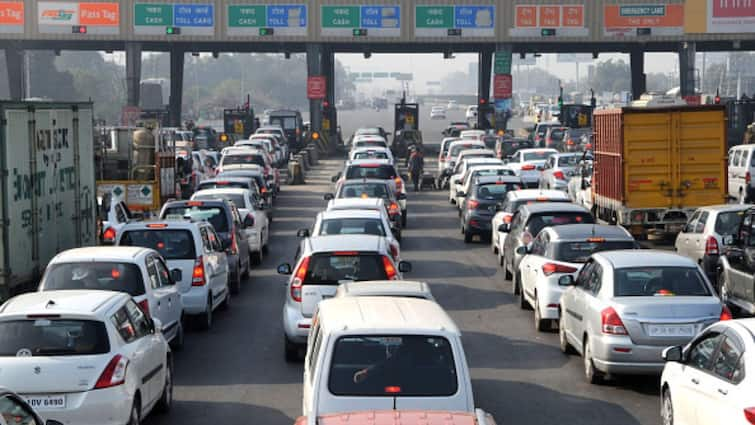
In a bid to streamline highway travel and reduce traffic congestion, Union Minister Nitin Gadkari has unveiled plans to phase out traditional toll plazas in India. The announcement comes as part of a move towards implementing GPS-based toll collection systems nationwide, with the transition set to begin as early as April of this year.
Gadkari, who serves as the Minister of Road Transport and Highways, revealed that the government has appointed a consultant to oversee the implementation of the new GPS-based toll collection system on national highways. The proposed system will operate alongside the existing FASTag system, with a pilot programme slated for introduction. The aim is to accurately charge motorists based on the exact distance travelled on the highways, thereby mitigating traffic congestion and streamlining toll collection processes.
According to Gadkari, the current toll revenue for state-owned National Highways Authority of India (NHAI) stands at Rs 40,000 crore, with projections indicating a significant increase to Rs 1.40 lakh crore within the next 2-3 years.
How Will GPS-Based Toll Collection Work?
Under the proposed GPS-based toll collection system, all vehicles will be required to be equipped with GPS (Global Positioning System) technology. This will involve the installation of micro-controllers with third-generation (3G) and GPS connectivity in vehicles, allowing the government to track their movements and determine the toll charges based on the routes taken and toll gates passed through.
Currently, tolls are typically collected at the end of a specific stretch of road or project, with fixed rates applied for distances of approximately 60 km. However, the new system will enable more precise toll collection based on actual distance travelled.
How Does it Differ from FASTag?
While the existing FASTag system utilises Radio Frequency Identification (RFID) technology for automatic toll deduction as vehicles approach toll booths, GPS-based toll collection will track vehicles continuously throughout their journey.
Unlike FASTag, which deducts tolls only upon reaching a toll plaza, the GPS-based system will collect tolls based on real-time vehicle movement data. It is speculated that GPS-enabled FASTags may be utilised for this purpose by NHAI, providing a seamless transition to the new toll collection method.
The shift towards GPS-based toll collection represents a significant step forward in modernising India's highway infrastructure and improving the efficiency of toll collection processes.
ALSO READ | Want To Open A Restaurant In India? Here Are The Things You Need To Keep In Mind
Top Headlines