




The next phase of adoption is increasingly driven by older, higher-income investors, typically 35-40 years old. They bring a methodical mindset to digital assets, unlike speculative traders.
Explorer
OPINION | India's Crypto Investors Are Done Chasing The Next Big Token
India's crypto investors are slowly trading speculation for discipline, with SIPs, automation and long-term holding reshaping how digital assets fit into their portfolios.
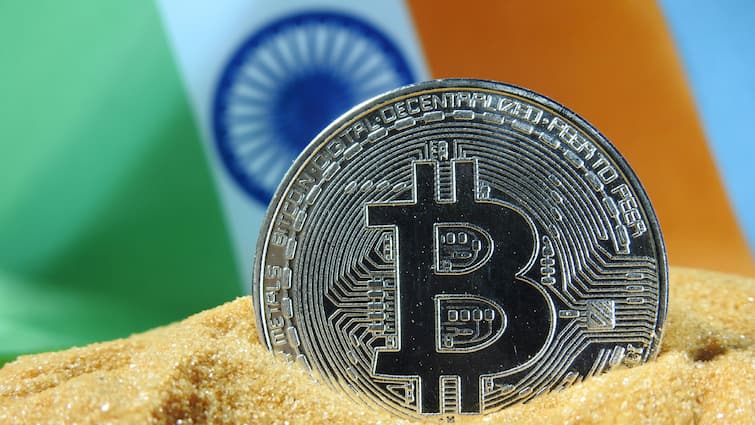
India's crypto investors are embracing SIPs and long-term strategies, signalling a shift beyond speculation.
Source : Ewan Kennedy/Unsplash
- Crypto is maturing, integrating into broader investment portfolios nationally.
For years, the image of a crypto investor was closely associated with constant price-checking, speculation, and the search for the next token that could deliver outsized returns. But that picture is changing. A growing section of India's crypto community is moving from trying to time the market to building positions with a long-term view. Recurring SIPs, automated purchases and long-term holding are becoming a more important part of how people participate in digital assets.
In many ways, crypto in India is going through a transition that equities went through years ago, a transition that now brings in about 29,000 crores in SIPs to the Indian stock market. The interesting part is that crypto is making this transition much faster.
ALSO READ: Bitcoin Is Rallying Again. Indian Investors Should Look Beyond The Price
Boring Is Becoming The Bullish Practice
One of the clearest signs of a maturing market is the way investors approach the asset class. Investors who once viewed crypto as an opportunity to trade every market move are increasingly adopting systematic approaches. Crypto SIPs across leading Indian exchanges grew by more than 60% year-on-year in 2025, according to Moneycontrol.
Reduced entry barriers and simplified access to global assets have motivated investors to move away from speculation to long-term wealth building. Ticket sizes can start at just Rs 100 a month, enabling investors to build exposure gradually.
For an asset class as volatile as crypto, systematic investing also changes the role of volatility. Through rupee-cost averaging, investors can spread purchases across different price points instead of having to make one large decision about when to enter the market. The objective shifts from predicting the perfect price to building a position consistently.
India Has Already Made This Journey Before
There is a particularly strong parallel with the evolution of India's mutual fund industry. A decade or two ago, equity investing was also associated with stock tips, market calls and attempts to identify the next multibagger. Over time, systematic investment plans helped make investing a habit rather than an event. The same behavioural rails are now influencing crypto. India doesn't need to learn systematic investing from crypto. In many ways, India has already taught crypto how to invest systematically.
The familiarity of monthly investing, automated deductions, and long-term wealth creation has made it easier for investors to apply the same discipline to a new asset class. This also reflects a broader change in how people think about crypto. The question is increasingly moving from "What is going to go up next?" to "How much exposure makes sense for me?"
The Crypto Investor Base Is Changing
Another misconception that deserves a rethink is that crypto adoption is primarily a Gen Z phenomenon. The next phase of adoption is increasingly being shaped by older, higher-income investors who approach digital assets with the same methodical mindset they bring to other investments.
The behaviour of a 35 or 40-year-old investor who is allocating a small portion of an existing portfolio to Bitcoin is very different from that of someone chasing a meme coin for a quick return. That distinction could become increasingly important as crypto moves further into mainstream portfolios.
The change is not limited to India's largest cities either. Low entry points and mobile-first investing are making digital assets accessible to investors beyond the traditional financial centres. A Rs 100 monthly starting point can make the first step considerably less intimidating for someone who has never owned crypto before. This creates an interesting financial-inclusion opportunity. The next wave of crypto adoption may not come exclusively from people already familiar with trading platforms or financial markets. It could come from first-time investors in Tier-2 and Tier-3 cities who are already comfortable with mobile payments, digital banking, and app-based investing.
Trust Plays Big Role In This Shift
An investor is unlikely to commit to a long-term position in an asset class if they believe its regulatory or institutional future is uncertain. India's evolving compliance and reporting framework is therefore an important part of the story. Frameworks such as the CBDT's reporting requirements and the implementation of the Crypto-Asset Reporting Framework (CARF) are pushing the ecosystem toward greater transparency.
For compliant platforms, this creates an opportunity to build credibility around an asset class that has historically suffered from perceptions of opacity. As regulation, compliance, and transparency improve, investors can make decisions based more on the characteristics of the asset and less on uncertainty around the ecosystem itself.
The Next Phase of Adoption
India's crypto market is maturing in a way that goes beyond prices, product launches, or adoption numbers. Investors are becoming more patient. Automated investing is reducing the need to constantly make decisions. And digital assets are gradually finding a place within broader conversations around portfolio allocation.
None of this means trading will disappear. Active traders will remain an important part of the market. But they may no longer define the average crypto investor. India is learning to invest in crypto, and that could change the trajectory of the asset class in the years ahead.
Frequently Asked Questions
Who are the new adopters of crypto in India?

Advertisement
Top Headlines
Entertainment

‘Jo Bachay Hain Sang Samait Lo’ Row: I&B Ministry Asks Netflix To Keep Pakistani Content Off Its India Platform
India

Supreme Court Issues Notice On Challenge To Allahabad HC's Hijab Ruling, Says Verdict Not Precedent
Election

Samajwadi Party To Release UP Poll Manifesto Today, PDA And Social Justice In Focus
Cities

30 Reasi Terrorists Missing Since 1991-2003 Now Operating From Pakistan, Says J&K DGP


Advertisement









Advertisement