iPhone SE 4 Expected To Feature Apple’s Proprietary 5G Modem With Slower Upload & Download Speeds
iPhone SE 4: The iPhone SE 4 could mark a shift in Apple’s approach to modem technology.
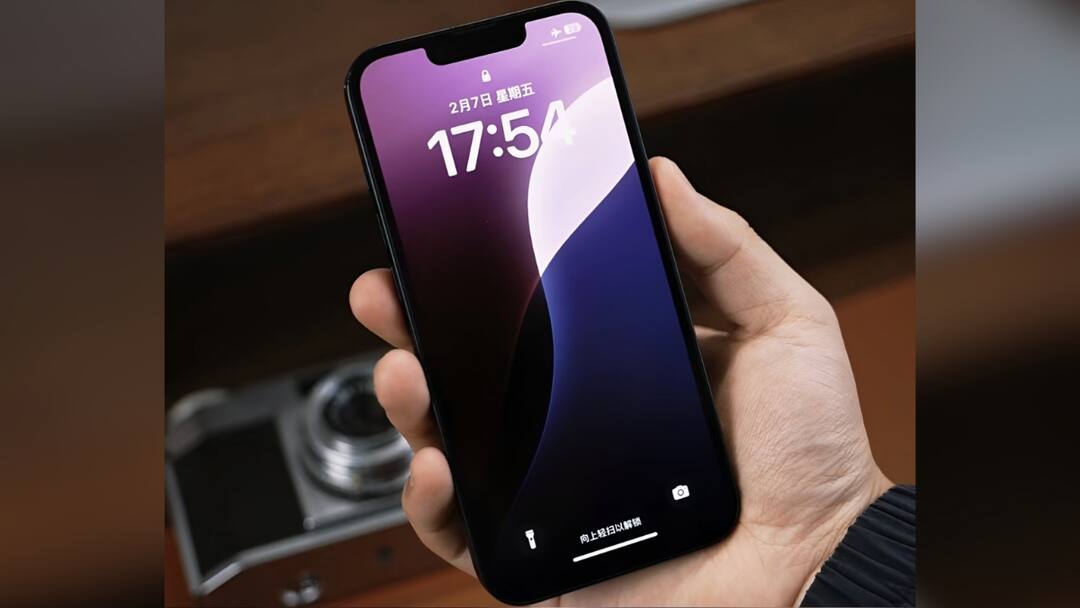
iPhone SE 4: The upcoming iPhone SE 4 is expected to deliver slower upload and download speeds than the premium iPhone 16 series, according to a recent report. Anticipated to debut on February 19, the device will succeed the iPhone SE (2022) and mark a milestone with Apple’s custom-built 5G modem. This modem, reportedly developed by TSMC, may lack support for mmWave 5G, potentially resulting in slower connectivity and placing it behind competitors that utilize the Qualcomm X75 modem.
iPhone SE 4 To Feature Apple's 5G Modem?
Apple, which has traditionally sourced chip components from OEMs like Intel and Qualcomm, has been striving to bring production in-house. The proprietary 5G modem has been in development for several years, with initial plans to introduce it alongside the iPhone 14, then the iPhone 15 series. However, technical challenges caused delays, pushing the modem’s debut to the iPhone SE 4.
The iPhone SE 4 could mark a shift in Apple’s approach to modem technology. According to a South Korean report, the upcoming device is expected to feature Apple’s in-house 5G modem but will lack support for mmWave 5G. As a result, it is predicted to have slower data transfer speeds compared to rival smartphones.
Renowned analyst Ming-Chi Kuo previously indicated that Apple is gradually moving away from third-party modems, starting with the iPhone SE 4, which is set to debut with the company’s proprietary technology. Additionally, the rumored iPhone 17 Air (or iPhone 17 Slim) is expected to be the second device to incorporate Apple’s in-house modem. Both models are projected to launch this year, with the iPhone 17 Air reportedly arriving in Q3 2025.
However, it remains uncertain whether the broader iPhone 17 lineup, also anticipated this year, will continue to use Qualcomm’s cellular modems or transition to Apple’s in-house chipset, despite concerns about its performance.
Top Headlines