Digital India Bill To Be Up For Public Consultation In June, Will Address Expansion Of Intermediary Categories: Rajeev Chandrasekhar
Chandrasekhar presented the bill's proposed solutions to safeguard users from potential harm such as revenge porn, cyber flashing, defamation, cyberbullying, and doxxing.
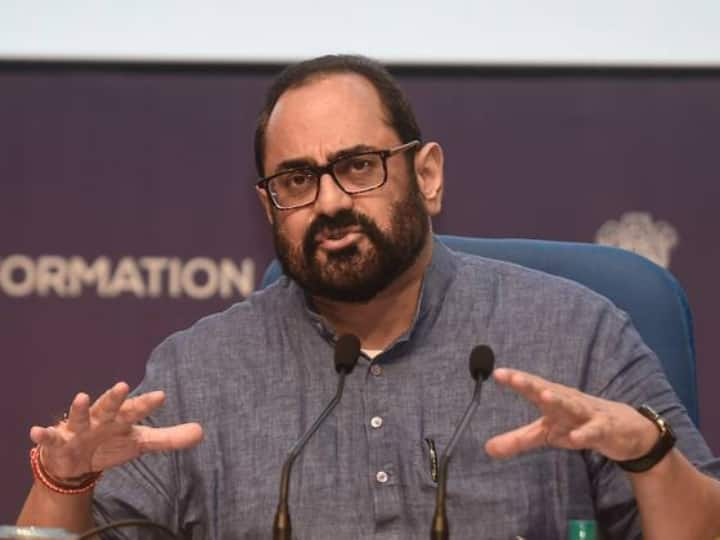
Union Minister of State for Electronics and Information Technology Rajeev Chandrasekhar on Tuesday announced that the highly anticipated digital India bill, which will replace the existing information technology act as the primary legislation governing the digital space, is scheduled to be made available for public consultation in the first week of June. Chandrasekhar emphasised that the bill has undergone multiple rounds of discussions and will address various aspects, including the expansion of intermediary categories based on user harm and user volume.
During a public consultation event in Mumbai, Chandrasekhar presented the bill's proposed solutions to safeguard users from potential harm such as revenge porn, cyber flashing, defamation, cyberbullying, and doxxing. Additionally, the bill suggests implementing age restrictions for addictive technologies and protecting minors' data on social media and gaming platforms.
Chandrasekhar stated that as the Internet continues to evolve, the legislation governing it must also be adaptable to meet future challenges posed by emerging technologies. The digital India bill aims to bridge policy gaps and ensure a dynamic framework for the digital realm.
ALSO READ: Centre To Take Action Against Google Over Anti-Trust Breach: MoS IT Rajeev Chandrasekhar
The minister highlighted the empowerment brought by devices and IT, but also acknowledged the challenges arising from new forms of user harm, ambiguous user rights, safety concerns for women and children, organised information wars, radicalisation, hate speech circulation, misinformation, fake news, and unfair trade practices. Chandrasekhar stressed the importance of addressing anti-competitive practices by major technology companies.
Chandrasekhar posed a question regarding the inclusion of safe harbour provisions for intermediaries, prompting further consideration on the matter. Section 79 of the IT Act, 2000, currently grants social media platforms immunity from liability for third-party content. Chandrasekhar indicated that this provision might be revised in the digital India bill, emphasizing the need for reassessment.
The bill is also expected to establish ownership standards for anonymised data held by intermediaries, outline disclosure norms for collected data, and introduce monetization regulations for user and platform-generated content.
Top Headlines