Nepal PM KP Sharma Oli Quits After Back-To-Back Resignations Amid Violent Protests
The unrest in Nepal continued even after Home Minister Ramesh Lekhak resigned on Monday, following violent clashes in Kathmandu that left 19 people dead and over 300 injured.
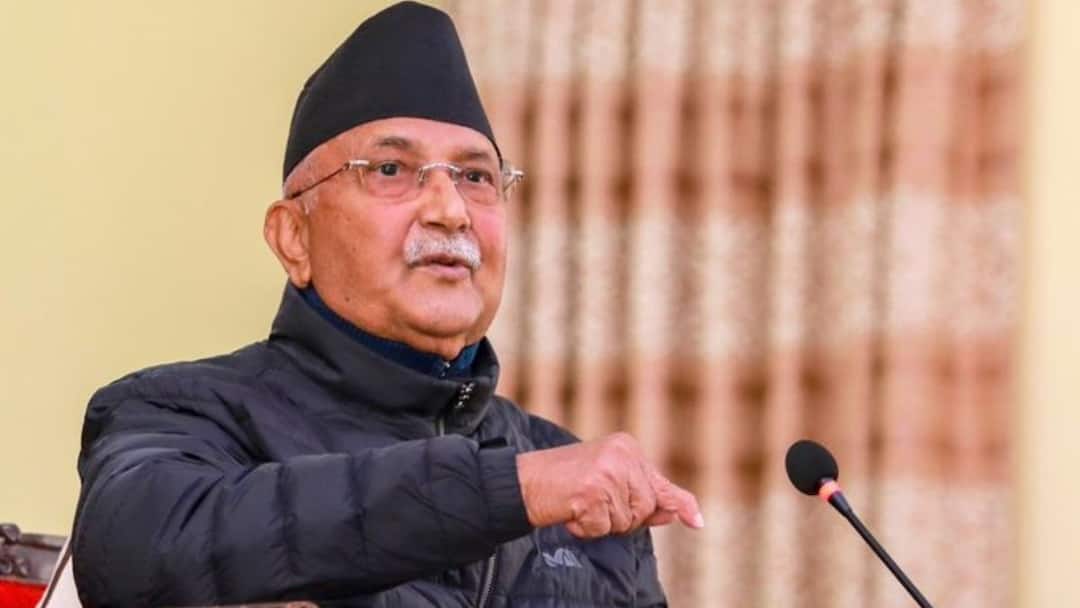
Nepal PM KP Sharma Oli resigned from his post as the Gen Z protests over the social media ban intensified across the country despite curfew orders on Tuesday. Agitated protesters burnt houses of several key ministers, including the personal residence of the president.
Nepal Prime Minister KP Sharma Oli resigns: officials
— Press Trust of India (@PTI_News) September 9, 2025
(Source: Third Party)#NepalGenZProtest #KathmanduProtest pic.twitter.com/emqq1CMQVk
Just a few minutes earlier, Oli had convened an all-party meeting to address Nepal’s escalating political crisis.
In a statement, Oli had said the meeting would be held at 6 pm, with the venue yet to be disclosed. Stressing the need for dialogue, he added, “Violence is not the way. We need to find a peaceful way out through dialogue.”
VIDEO | Banke, Nepal: Gen Z protests entered their second day, with youth setting tyres on fire and calling for the immediate removal of the Oli government. At least 19 people, mostly young protesters, were killed yesterday when police opened fire with rubber bullets and live… pic.twitter.com/u9wjF2PG75
— Press Trust of India (@PTI_News) September 9, 2025
Nepal Gen Z Protests
The unrest has continued even after Home Minister Ramesh Lekhak resigned on Monday, following violent clashes in Kathmandu that left 19 people dead and over 300 injured. Protesters, however, demanded Oli’s resignation, saying the minister’s exit is not enough.
Major online news portals sharply criticised the crackdown, calling September 8 one of Nepal’s deadliest days in recent history. Ukeraa.com described it as a “black day,” while Ratopati accused the government of “indiscriminately” opening fire on students and youths, calling the action “highly deplorable.”
According to Ratopati, the agitation is being driven by frustration over corruption, unemployment, nepotism and rising social disorder, rather than political motivations.
Before You Go
Delhi Rain Crisis: Record Downpour Floods Neighbourhoods, Snarls Traffic and Pushes Yamuna Higher

Top Headlines