Explorer
Growth of Pak, India's nuke programmes increases risk of security incident in South Asia: US spymaster
Coats said the US intelligence committee expect the overall threat from weapons of mass destruction (WMD) to continue to grow during 2019 and Russia will remain the most capable WMD adversary, developing new strategic and non-strategic weapons systems.

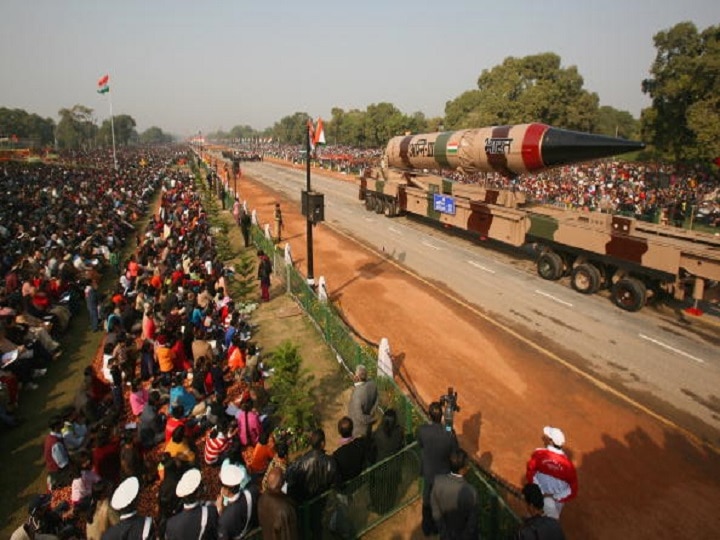
DELHI, INDIA - JANUARY 26: An Agni III nuclear capable missile is paraded during the Republic Day Parade on January 26, 2009 in New Delhi, India. (Photo by Daniel Berehulak/Getty Images)
Washington: The continued growth of the atomic weapon programmes of Pakistan and India increases the risk of a "nuclear security incident" in South Asia, America's top spymaster has warned. The remarks of National Intelligence Director Daniel Coats is part of US intelligence community's assessment of worldwide threats in the year 2019. While Pakistan continues to develop new types of nuclear weapons, including short-range tactical weapons, sea-based cruise missiles, air-launched cruise missiles, and longer range ballistic missiles, India this year has conducted its first deployment of a nuclear-powered submarine armed with nuclear missiles, he told lawmakers on Tuesday. "The continued growth and development of Pakistan and India's nuclear weapons programmes increase the risk of a nuclear security incident in South Asia, and the new types of nuclear weapons will introduce new risks for escalation dynamics and security in the region," Coats said in his opening statement running into over 40 pages. Coats and heads of other top American intelligence agencies appeared before the Senate Select Committee on Intelligence on their worldwide threat assessment. Prominent among them included CIA Director Gina Haspel, who has just returned from a trip to India; FBI Director Christopher Wray and Defence Intelligence Agency Director Robert Ashley. Coats said the US intelligence committee expect the overall threat from weapons of mass destruction (WMD) to continue to grow during 2019 and Russia will remain the most capable WMD adversary, developing new strategic and non-strategic weapons systems. He said China will also continue to expand and diversify its WMD capabilities. "China continues its multi-year effort to modernise its nuclear missile forces, including deploying sea-based weapons, improving its road-mobile and silo-based weapons, and testing hypersonic glide vehicles," Coats said. He added that these capabilities are intended to ensure the viability of China's strategic deterrent by providing a second-strike capability and a way to overcome missile defences.
Follow Breaking News on ABP Live for more latest stories and trending topics. Watch breaking news and top headlines online on ABP News LIVE TV
Read more
Top Headlines
News

‘Stop Spreading Lies’: Centre Says Over 90% Of Aravalli Region Remains Protected
News

MEA Dismisses ‘Misleading Reports' Of Security Breach At Bangladesh High Commission
India

VB-G RAM G Bill Gets President’s Assent, New Rural Jobs Law In Force
Maharashtra

Mahayuti Sweeps Maharashtra Civic Polls; BJP Emerges Single Largest Party














See Today's Weather 
powered by