Delhi HC Says Restaurants Can't Mandatorily Levy Service Charge On Food Bills, Fines Association For Opposing Guideline
The Delhi High Court ruled that service charges at restaurants are voluntary, not mandatory. The court dismissed petitions seeking to uphold the mandatory imposition of the charge.

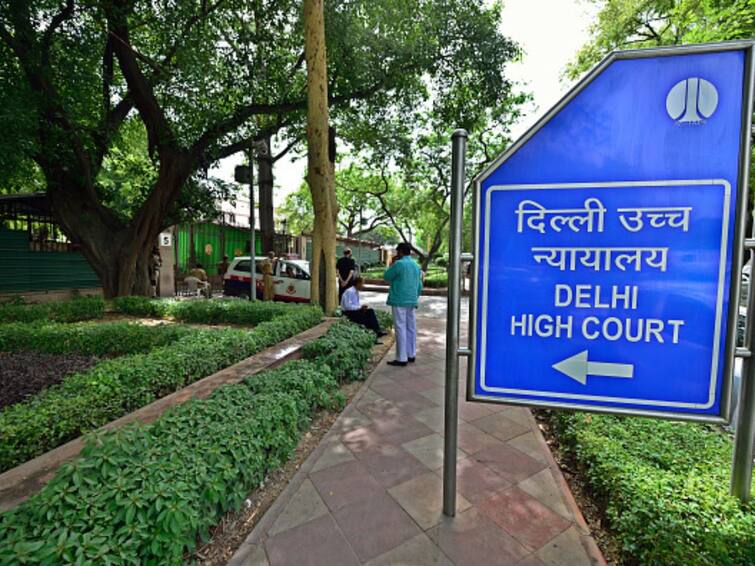
The Delhi High Court on Friday held that the payment of service charge by the customers on the food bill was voluntary and it could not be made mandatory by restaurants or hotels. The judgement was pronounced by Justice Prathiba M Singh. She dismissed the petitions of restaurant bodies challenging Central Consumer Protection Authority guidelines prohibiting hotels and restaurants from levying a mandatory service charge on food bills.
Payment of service charge by customers on food bills is voluntary, can't be made mandatory by restaurants or hotels: Delhi HC
— Press Trust of India (@PTI_News) March 28, 2025
According to Bar and Bench, the court said that levying service charges mandatorily is in violation of the Consumer Protection Act. It has also imposed a cost of Rs. 1 lakh on the restaurant associations that have challenged the guideline.
The court has ruled that no collection of service charge shall be done by any other name. It has also ruled that no restriction on entry or provision of services based on the collection of service charges shall be imposed on consumers and that the service charge shall not be collected by adding it along with the food bill and levying GST on the total amount.
In 2022, the CCPA issued guidelines directing that the restaurants cannot automatically or by default add a service charge to the food bill, nor can it be disguised under any other name. It also held that the hotels and restaurants are also prohibited from forcing consumers to pay a service charge and must clearly inform them that it is voluntary, optional, and entirely at the consumer's discretion
"The CCPA is an authority empowered to pass the guidelines under CPA 2019. Issuing guidelines is an essential function of CCPA. The same has to be mandatorily complied with," the court ruled and rejected objections to these guidelines. The court also pointed out that mandatory collection misleads consumers by creating the impression that they are paying service tax or GST.
According to India Today, the restaurant association argued that he guidelines are abitrary and untenable. They also countered them by saying that directions cannot be treated as government order.
Top Headlines