Akaal Review: Gippy Grewal’s Latest Film Pushes Boundaries For Punjabi Cinema
Akaal review: This is a truly remarkable film—one that many wouldn’t have imagined coming out of Punjabi cinema at such a grand scale. But Gippy Grewal’s hard work shines through in every frame.

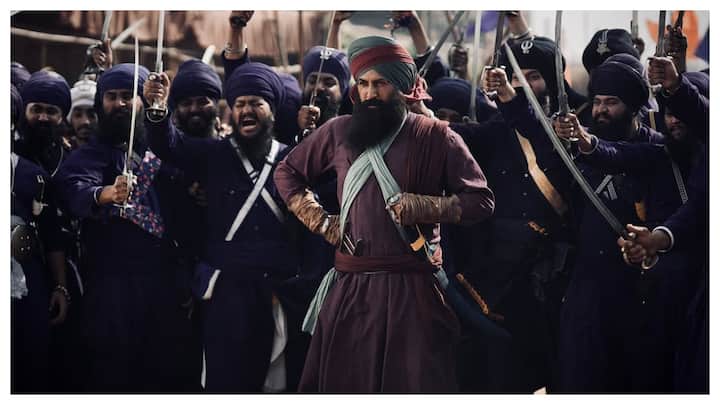
Gippy Grewal’
Gippy Grewal, Nimrat Khaira, Shinda Grewal, Nikitin Dheer
Akaal review: In today’s evolving cinematic landscape, boundaries are dissolving and language is no longer a barrier to success. Audiences are increasingly drawn to meaningful stories, not just star-studded spectacles. Gippy Grewal’s 'Akaal’ is a shining example of this shift—a Punjabi film that resonates with viewers far beyond its linguistic roots. With filmmaker Karan Johar backing the project for its merit, not merely lending his name to boost it, the film’s credibility is further elevated. Johar’s earlier association with Baahubali tells us what happens when compelling regional stories are championed with conviction. Released in Hindi as well, 'Akaal’ signals a significant step forward for Punjabi cinema, blending powerful storytelling with grand production scale.
Akaal storyline
Set in a historical backdrop, the film revolves around the brave Khalsa warriors who once fought to protect their land and values, always guided by the teachings of Guru Gobind Singh Ji. At the center of the story is Akaal Singh, whose village faces the threat of violent invasion. As enemies close in, Akaal must rise to defend not only his people but also uphold the sacred principles of the Khalsa. What unfolds is a tale not just of action and bravery, but of spiritual strength and unwavering moral compass.
While the storyline is steeped in history, its themes of sacrifice, honour, and righteousness feel timeless. The dialogues and character arcs serve as lessons in themselves, and the film constantly invokes the spirit of Guru Gobind Singh Ji in ways that are deeply moving and thought-provoking.
How is Akaal?
This is a truly remarkable film—one that many wouldn’t have imagined coming out of Punjabi cinema at such a grand scale. But Gippy Grewal’s hard work shines through in every frame. From its top-notch production design and intense fight sequences to the powerful performances, everything about this film is crafted with precision and passion.
Not a single scene feels dull or out of place. Every moment is designed to either teach something or drive the story forward. Each character has been given importance, and the screenplay makes sure no one is left behind.
What makes this film even more special is how, time and again, it brings Guru Gobind Singh Ji's teachings to the forefront—lessons that resonate deeply and stay with you.
Performances
Gippy Grewal’s dedication to the project is visible in every frame—from the high-octane fight sequences to the emotional nuances. This might just be his finest performance to date. His screen presence is magnetic, and he commands every scene with authenticity.
Nimrat Khaira stands tall as a fierce performer, holding her ground in action scenes without relying on glamour. Shinda Grewal delivers a memorable performance, especially in a heartfelt moment where he tells an attacker, “Khalsa doesn’t raise hands on children”—a line that stays with you long after the scene ends.
Nikitin Dheer is a formidable antagonist, and Meeta Vashisht brings her usual gravitas to the screen. Gurpreet Ghuggi surprises in a role unlike any he’s done before, while Prince Kanwaljit Singh also delivers a noteworthy performance.
Direction, writing & music
Gippy Grewal, who not only stars but also writes and directs the film, proves he is a multifaceted talent. His storytelling strikes a balance between entertainment and message, weaving the teachings of Guru Gobind Singh Ji into the fabric of the narrative. Grewal’s direction ensures every scene contributes meaningfully to the larger story.
The music by Shankar-Ehsaan-Loy adds emotional depth, with songs that linger in the heart. The soundtrack complements the film’s narrative and elevates its emotional beats.
Final verdict
'Akaal' isn’t just a film; it’s an experience rooted in culture, history, and spiritual valour. It’s a proud moment for Punjabi cinema and Indian storytelling as a whole.

Top Headlines




Trending News