International Day For Biosphere Reserves 2025: 10 Breathtaking Biosphere Reserves In India Recognised By UNESCO
From Nilgiri to Sundarbans, here are 10 awe-inspiring Indian biosphere reserves recognised by UNESCO for their incredible biodiversity and natural beauty.

Every year, International Day for Biosphere Reserves is observed to highlight the importance of conserving the planet’s ecological diversity. These reserves, designated under UNESCO’s Man and the Biosphere (MAB) Programme, serve as living laboratories that promote sustainable coexistence between humans and nature. India, with its vast biodiversity, is home to some of the world’s most fascinating biosphere reserves. From the snow-clad valleys of the Himalayas to the dense rainforests of the Western Ghats, these reserves protect rare species and traditional communities that depend on them.
Here are 10 of India’s most stunning biosphere reserves that perfectly reflect the balance between beauty and biodiversity.
ALSO READ: 8 Spookiest Travel Destinations Around The World
1. Nilgiri Biosphere Reserve, Tamil Nadu–Kerala–Karnataka
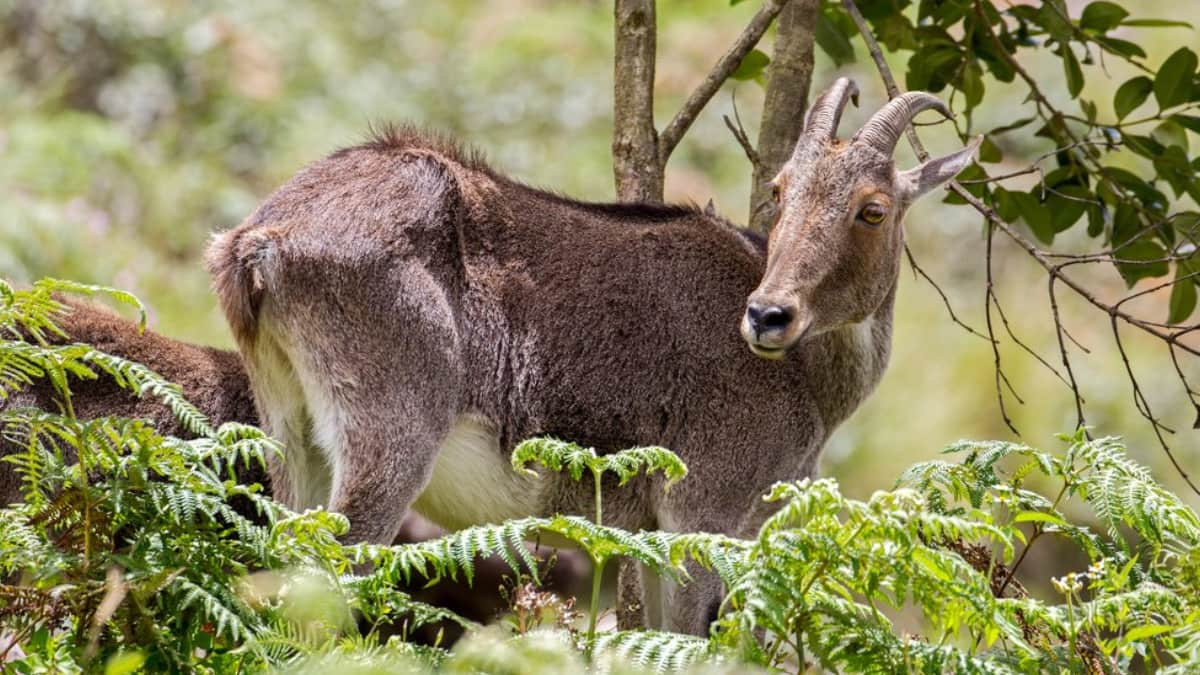
The Nilgiri Biosphere Reserve is India's first and one of the most iconic biosphere reserves, nestled across the Nilgiri Hills of Tamil Nadu, Kerala, and Karnataka. This UNESCO-designated reserve boasts the breathtaking Western Ghats’ biodiversity, home to endangered species such as the lion-tailed macaque, Nilgiri tahr, and Malabar giant squirrel. he reserve also includes famous national parks like Mudumalai, Wayanad, and Bandipur, making it a paradise for nature lovers and wildlife photographers. Visitors can explore eco-friendly trekking routes or interact with indigenous tribes like the Toda and Kurumba, known for their sustainable living practices.
2. Nanda Devi Biosphere Reserve, Uttarakhand
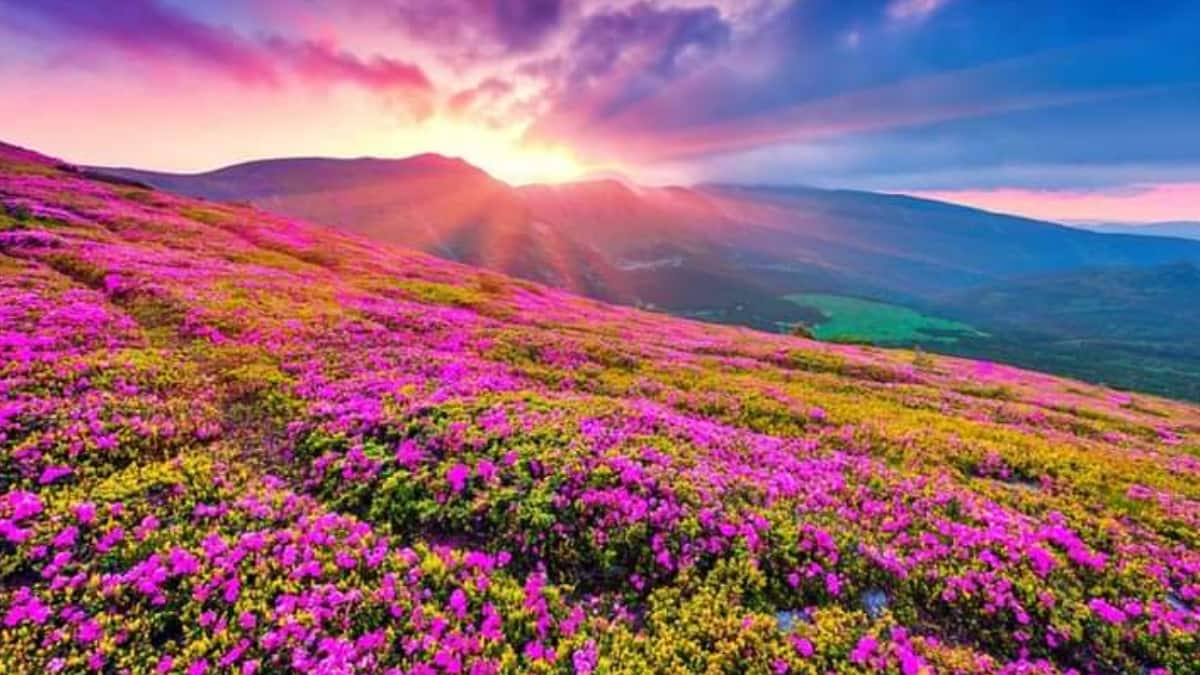
Nestled in the Garhwal Himalayas, the Nanda Devi Biosphere Reserve offers a stunning blend of alpine beauty and ecological diversity. Dominated by the majestic Nanda Devi peak, the reserve includes the Nanda Devi National Park and Valley of Flowers, both UNESCO World Heritage Sites. It shelters rare Himalayan species such as the snow leopard, Himalayan musk deer, and bharal. The reserve’s pristine meadows burst into a riot of colours during the flowering season, creating a breathtaking natural spectacle. Apart from its natural beauty, the region is culturally significant to the Bhotiya community, who practise traditional Himalayan lifestyles harmonising with nature.
3. Great Nicobar Biosphere Reserve, Andaman And Nicobar Islands
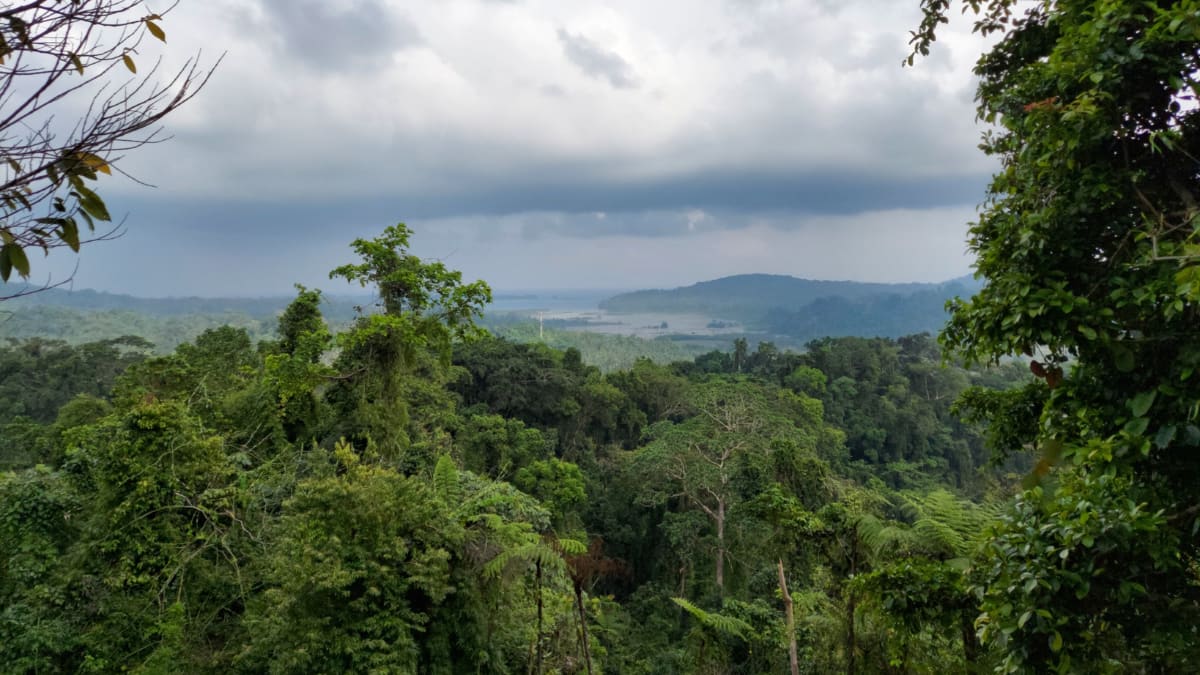
Located in India’s southernmost region, the Great Nicobar Biosphere Reserve is an untouched tropical paradise brimming with rare flora and fauna. It is home to the indigenous Shompen and Nicobarese tribes who have lived in harmony with the island’s environment for centuries. With over 85% forest cover, this biosphere reserve is a living example of nature’s abundance. Adventure enthusiasts can trek through the Campbell Bay National Park or visit the stunning Galathea Bay for a glimpse of untouched marine beauty.
4. Gulf Of Mannar Biosphere Reserve, Tamil Nadu
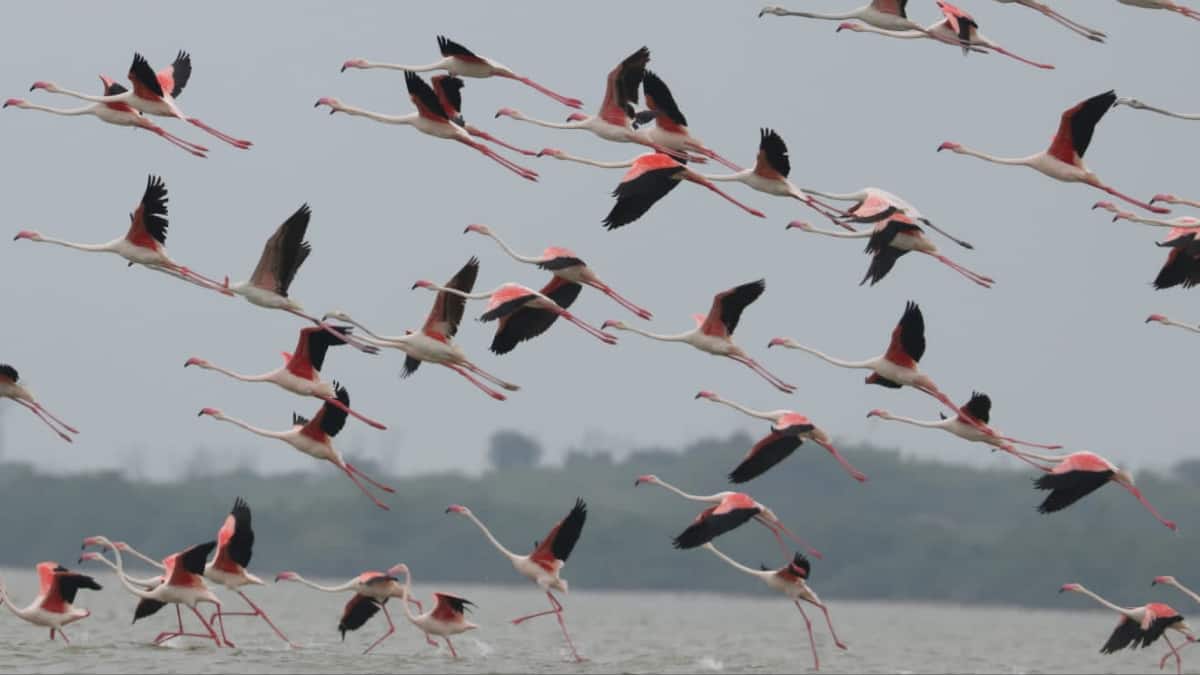
Stretching along the southeastern coast of India, the Gulf of Mannar Biosphere Reserve is renowned for its rich marine biodiversity. This reserve covers 21 small islands and surrounding coral reefs between India and Sri Lanka. It’s home to over 3,600 species of marine life, including sea cucumbers, dolphins, and the endangered dugong or sea cow. The clear blue waters and coral reefs make it a paradise for divers and marine researchers. The reserve also plays a crucial role in sustaining coastal livelihoods through sustainable fishing and seaweed collection.
5. Similipal Biosphere Reserve, Odisha
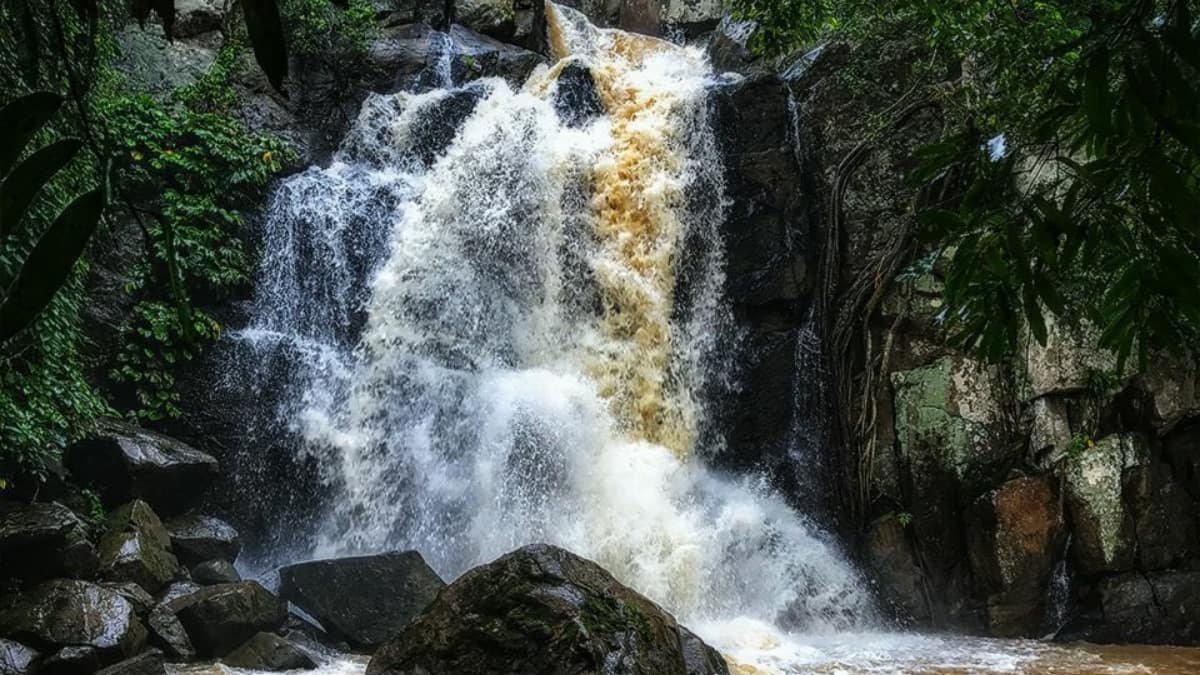
The Similipal Biosphere Reserve, named after the abundance of red silk cotton trees, is one of India’s most scenic forest reserves. It’s a vital part of the Mayurbhanj Elephant Reserve and is home to tigers, elephants, and rare orchids. The reserve’s lush sal forests, waterfalls like Barehipani and Joranda, and tribal villages add to its charm. Similipal also plays a key role in Odisha’s ecological balance, maintaining critical water resources and biodiversity. For eco-tourists, the region offers safaris, trekking trails, and cultural interactions with the local tribes.
6. Pachmarhi Biosphere Reserve, Madhya Pradesh
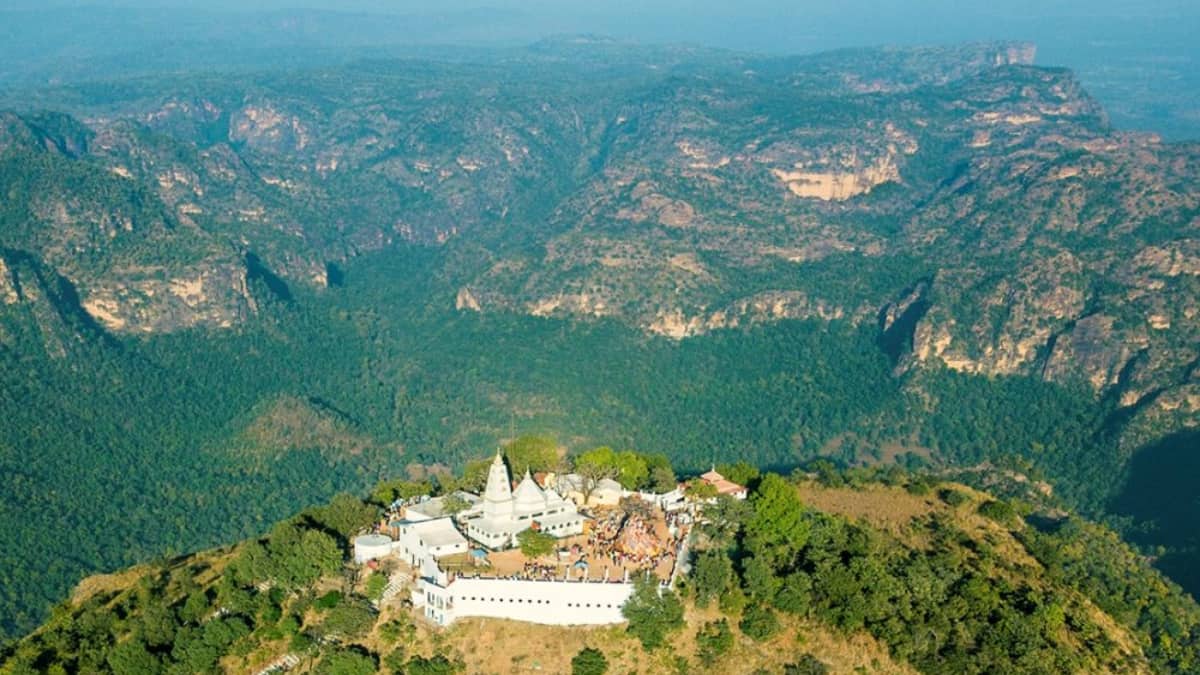
Located in the Satpura range, the Pachmarhi Biosphere Reserve is a blend of rich wildlife and spiritual heritage. It includes the Satpura National Park, Bori Wildlife Sanctuary, and Pachmarhi Sanctuary. The reserve is home to over 50 species of mammals, including leopards and giant squirrels, and nearly 300 bird species. Apart from its biodiversity, the area is dotted with ancient rock paintings, waterfalls, and sacred caves. The caves here are linked to the Pandavs from Mahabharat. Pachmarhi’s blend of ecology and mythology makes it one of the most fascinating biospheres in India.
7. Agasthyamalai Biosphere Reserve, Tamil Nadu–Kerala
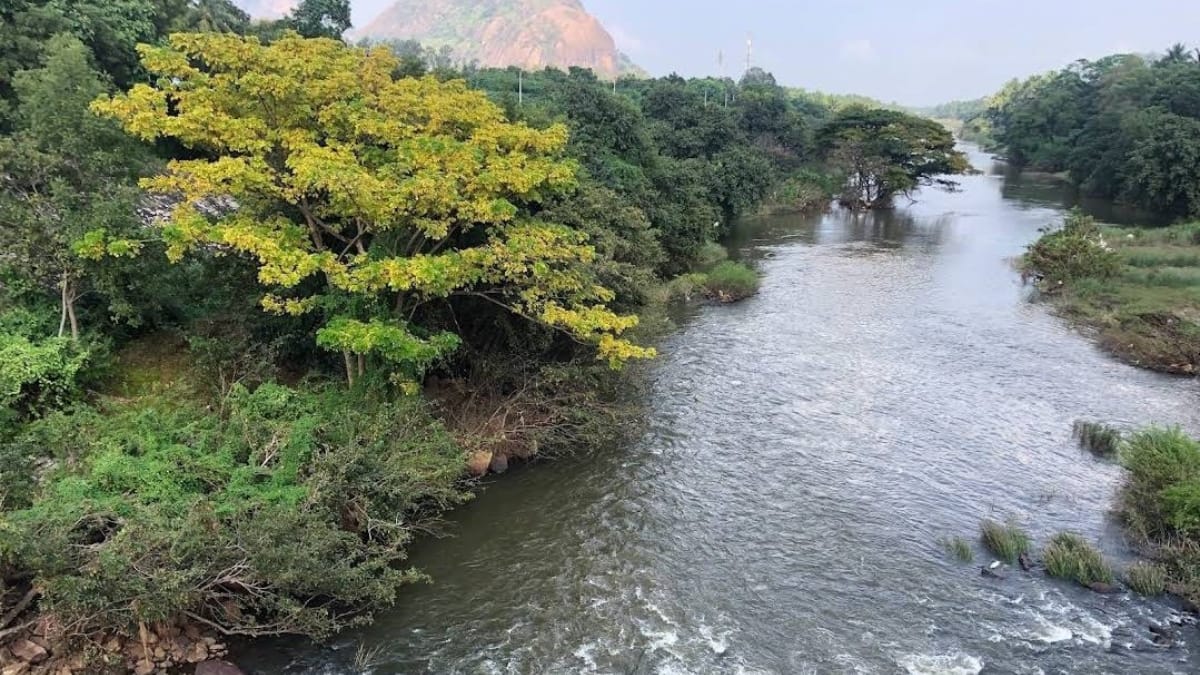
This reserve is a part of the Western Ghats. It's named after Sage Agasthya and is a biodiversity hotspot with over 2,000 species of plants, many endemic to the region. The reserve spans across Tamil Nadu and Kerala and provides sanctuary to species such as the lion-tailed macaque and Malabar civet. Its dense evergreen forests and cool climate attract nature enthusiasts, trekkers, and researchers. Agasthyamalai is also culturally significant, believed to be a sacred abode of sages and ancient herbal knowledge.
8. Khangchendzonga Biosphere Reserve, Sikkim
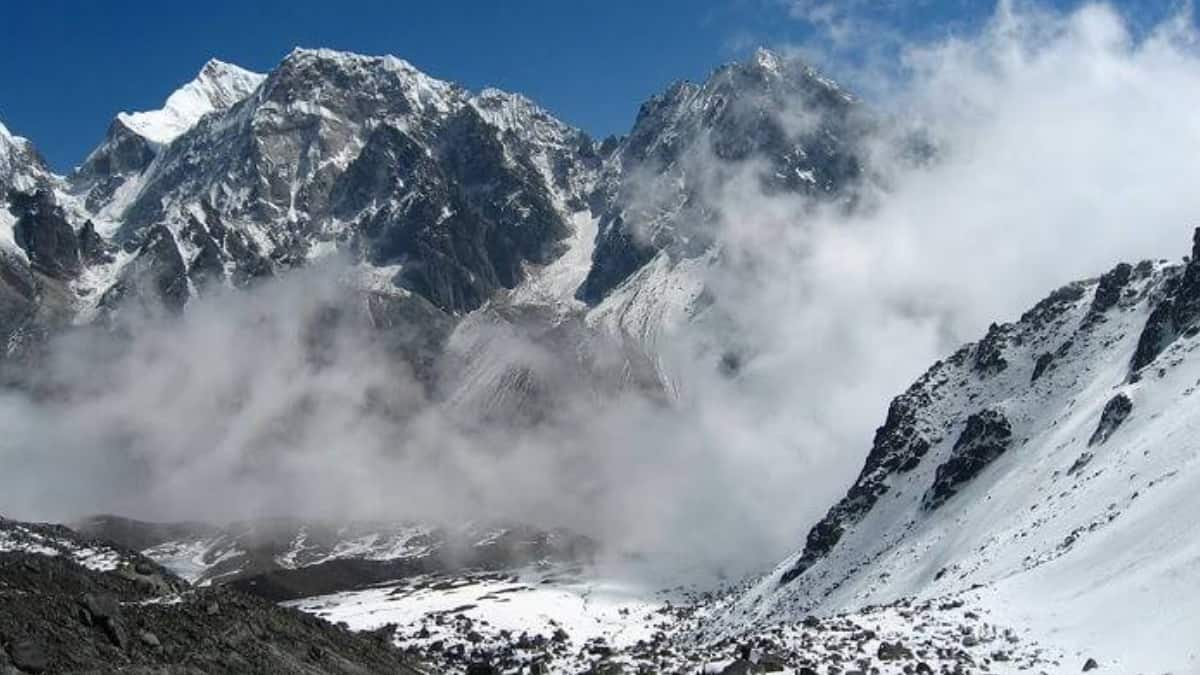
Dominated by the mighty Kanchenjunga peak, this biosphere reserve in Sikkim is a blend of spirituality and wilderness. It is a UNESCO World Heritage Site and part of India’s first mixed World Heritage site for its natural and cultural significance. The reserve is home to red pandas, snow leopards, and Tibetan wolves, along with sacred lakes and monasteries. Khangchendzonga reflects Sikkim’s deep-rooted Buddhist beliefs, where nature is revered as divine.
9. Panna Biosphere Reserve, Madhya Pradesh
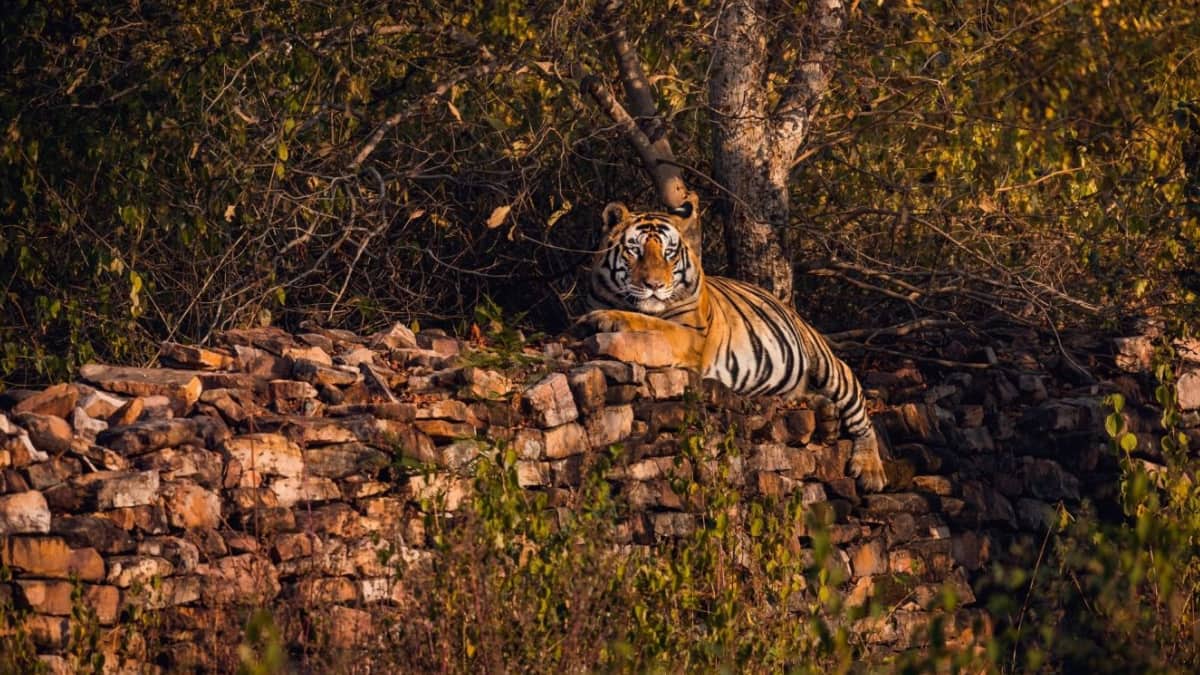
Located in the heart of Madhya Pradesh, Panna Biosphere Reserve is a stunning blend of wildlife, rivers, and rugged plateaus that form one of central India’s most vibrant ecosystems. Panna is world-renowned not just for its tiger population but also for its successful tiger reintroduction programme, which turned the park from a near-empty reserve into a thriving sanctuary once again. The crystal-clear Ken River flows through its landscape, carving spectacular gorges, waterfalls, and natural pools. Home to leopards, sloth bears, gharials, chinkaras, and over 200 bird species, Panna represents the delicate balance between nature and conservation. Visitors can enjoy jeep safaris through teak forests, explore the scenic Raneh Falls Canyon, or visit Pandav Caves for a dose of myth and mystery.
10. Sundarbans Biosphere Reserve, West Bengal
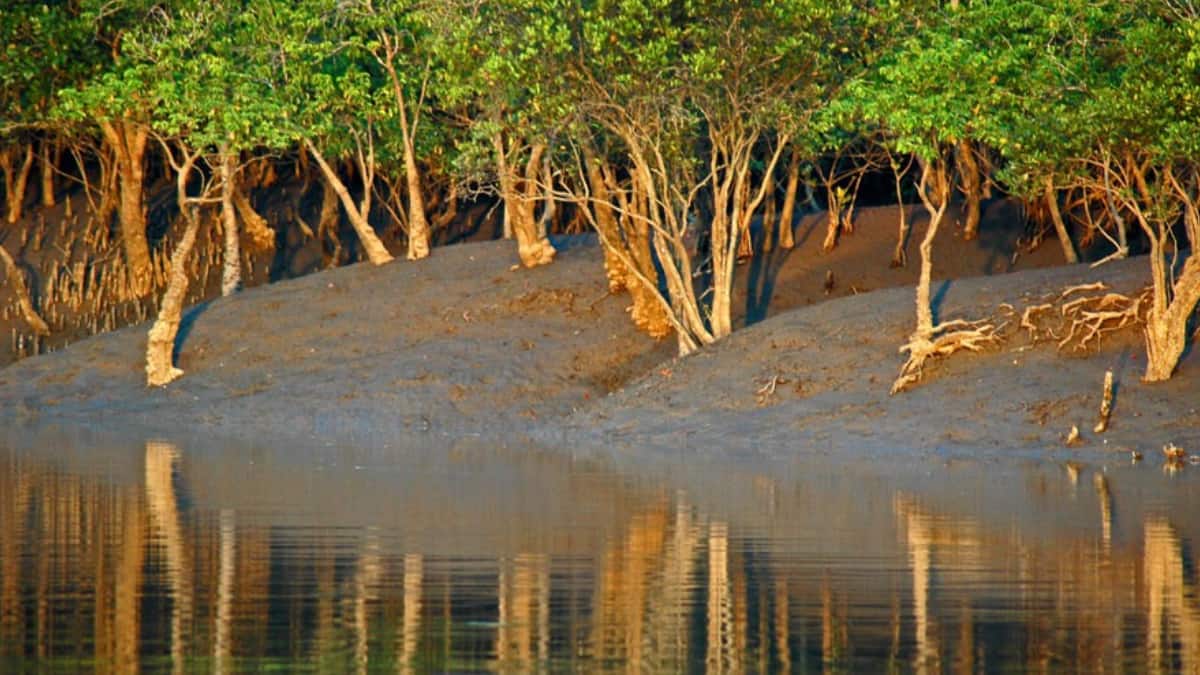
The Sundarbans, a UNESCO World Heritage Site, is the largest mangrove forest in the world and a marvel of nature. Stretching across the delta formed by the Ganga, Brahmaputra, and Meghna rivers, it is home to the legendary Royal Bengal Tiger. What makes this biosphere unique is its tidal ecosystem, where land and water merge in perfect rhythm. The reserve supports a vast range of species including saltwater crocodiles, spotted deer, and the endangered Ganges river dolphin. Apart from wildlife, the Sundarbans hold immense cultural importance as local communities continue age-old fishing and honey-collecting traditions.

Top Headlines