Pets instinctively hide pain, so diseases can progress silently. Routine checkups help detect illnesses early, monitor overall health, and ensure vaccinations and parasite control are up-to-date.
Explorer
ABP Live Pet First | 7 Dangerous Pet Care Myths You Must Stop Believing Right Now
ABP Live Pet First: Know 7 common pet care myths that could seriously harm your dog or cat. Learn the truth every responsible pet parent must know for a healthier, happier pet.

Many common pet care beliefs can silently harm your beloved animal, here’s what every pet parent must know.
Source : ABPLIVE AI
- Regular vet checkups are crucial; pets hide pain and illness.
- Many human foods are toxic, causing organ failure or death.
- Indoor pets still need parasite protection; parasites enter homes easily.
- Over-bathing strips oils, leading to skin dryness and irritation.
- Pets need interaction and play, not just backyard space.
- Senior pets require specialized care; age-related issues need attention.
- Behavior problems signal unmet needs like fear, pain, or boredom.
Every pet parent believes they’re doing the best for their furry companion, but what if some of those well-meaning habits are actually putting your pet at risk? From feeding mistakes to grooming misconceptions, many popular pet care beliefs have been passed down for generations without scientific backing.
Let's uncover the most widespread myths that could quietly damage your pet’s health, happiness and lifespan. If you love your pet, this guide may change the way you care for them forever.
ALSO READ: ABP Live Pet First: 7 Signs Of Stress In Pets And How To Calm Them Naturally
1. Pets Don’t Need Regular Vet Checkups If They Look Healthy

Many owners assume that if their dog or cat appears energetic and playful, veterinary visits aren’t necessary. This dangerous misconception often delays the detection of serious illnesses. Animals instinctively hide pain and discomfort, which means disease can progress silently for months before obvious symptoms appear. Routine checkups allow veterinarians to monitor weight, teeth, heart function, skin conditions and internal health before problems become life-threatening. Preventive care also ensures vaccinations, parasite control and nutritional plans remain appropriate for each life stage.
2. All Human Food Is Safe For Pets In Small Amounts

Sharing table scraps feels like love, but many everyday foods are toxic for animals. Chocolate, onions, garlic, grapes, raisins, xylitol and caffeine can cause organ failure or death even in tiny quantities. Fatty foods trigger pancreatitis, while spicy meals upset digestive systems. Even seemingly harmless items like dairy cause severe stomach issues in lactose-intolerant pets. Over time, human food also promotes obesity, diabetes and heart disease. A balanced, species-appropriate diet is essential for long-term health. Treats should always be formulated for pets and approved by your veterinarian.
3. Indoor Pets Don't Need Parasite Protection

Many owners believe that fleas, ticks and worms only affect outdoor animals. In reality, parasites enter homes through shoes, clothing, open windows, other animals and even visitors. Once inside, infestations spread rapidly. Parasites transmit deadly diseases, damage organs, cause skin infections and weaken immunity. Heartworm alone is fatal if untreated. Monthly preventatives prescribed by veterinarians protect against these silent threats. Skipping parasite control exposes your pet to preventable suffering and life-threatening illness.
4. Bathing Frequently Keeps Pets Healthier

Over-bathing actually strips essential oils from your pet’s skin, leading to dryness, irritation and infections. Many animals only require bathing every few weeks or even months depending on coat type and lifestyle. Frequent shampooing weakens the skin’s protective barrier and disrupts natural balance. Proper grooming includes brushing, ear cleaning, nail trimming and dental care, not just baths. Using human shampoo worsens the problem as it damages pet skin pH. A veterinarian-recommended grooming schedule tailored to your pet’s breed and condition is the safest approach.
5. Pets Will Exercise Themselves If Given Space

A backyard is not exercise. Physical and mental stimulation come from interaction, training, play and structured activity. Without regular engagement, pets develop obesity, anxiety, destructive behaviour and depression. Dogs require walks, games and mental challenges. Cats need climbing, hunting simulations and interactive play. Exercise strengthens joints, heart health and emotional stability. Daily activity builds confidence and reduces behavioural issues. Space alone never replaces involvement.
6. Old Pets Don't Need Special Care
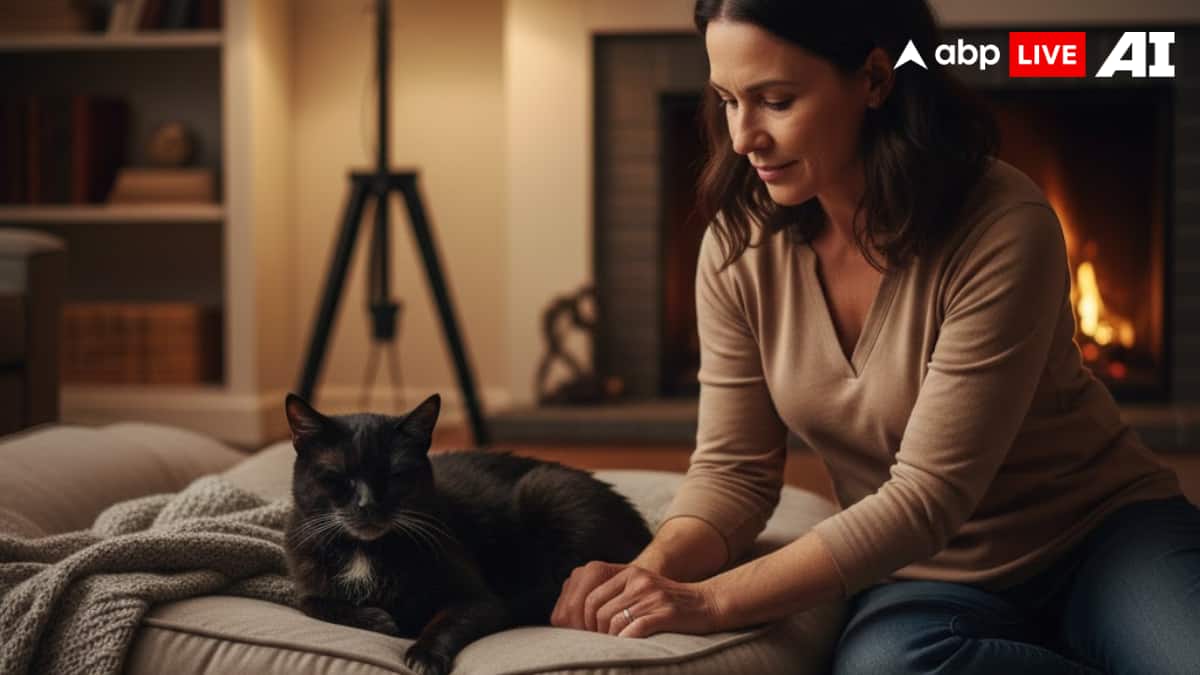
Ageing animals require more attention, not less. Arthritis, dental disease, kidney failure, vision loss and cognitive decline develop gradually and often go unnoticed. Senior pets benefit from specialised diets, supplements, pain management, mobility support and more frequent health checks. With proper care, older animals live comfortably and happily for many years. Ignoring age-related needs causes unnecessary suffering and shortens life expectancy.
7. Behaviour Problems Means Your Pet Is Being Difficult
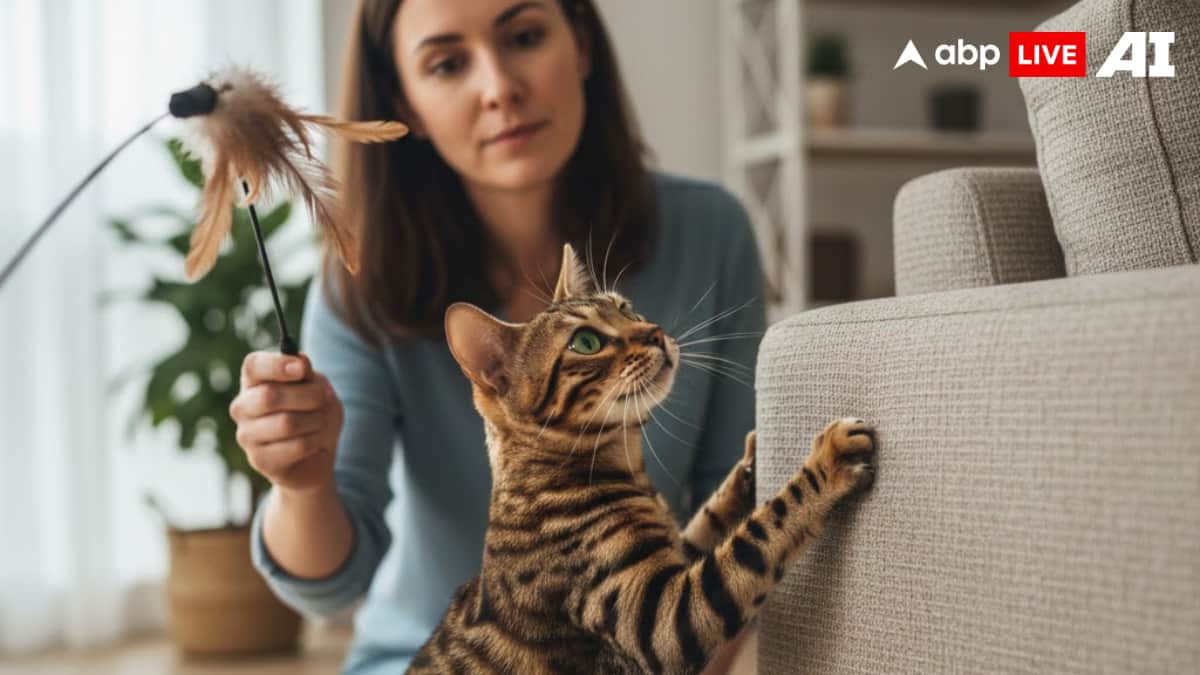
Most behaviour issues are communication. Chewing, aggression, scratching or excessive barking often signal fear, pain, boredom or stress. Punishment worsens these problems. Understanding triggers, providing training, enrichment and veterinary evaluation resolves the root cause. Behaviour is your pet’s language, when you learn to listen, harmony returns.
Frequently Asked Questions
Why are regular vet checkups important even if my pet looks healthy?
Is it safe to feed my pet human food in small amounts?
Many human foods are toxic to pets and can cause serious health issues or even death. Fatty or spicy foods can also lead to digestive problems. It's best to stick to pet-specific food and treats.
Do indoor pets really need parasite protection?
Yes, parasites like fleas and ticks can enter homes easily and transmit deadly diseases. Monthly preventatives prescribed by a vet protect your pet from these silent threats and preventable illnesses.
Does bathing my pet frequently keep them healthier?
Over-bathing strips essential oils from your pet's skin, leading to dryness and irritation. Most pets only need baths every few weeks or months, depending on their breed and lifestyle.
Will my pet exercise itself if it has enough space?
No, pets need interaction, training, and structured play for both physical and mental stimulation. Without it, they can develop obesity, anxiety, and destructive behaviors.

Top Headlines
Lifestyle

Astro Analysis | Why Calling Someone From Behind Is Considered A Bad Omen
Lifestyle

Sawan 2026: Giant Lord Hanuman Idol In Kanwar Yatra Video Grabs Attention | WATCH
Lifestyle

Astro Analysis | How Will 2027 Hold Promise For The Modi Government? India's Horoscope Holds A Major Clue To The Gen-Z Movement
Lifestyle

Astro Analysis | Freedom Sale 2026: Students Should Buy These 8 Items To Boost Career And Bring Prosperity










See Today's Weather 
powered by