Why Dandruff Peaks In Winter And The Smart Scalp Care That Prevents It
Cold weather often triggers stubborn dandruff. Experts explain why dandruff worsens in winter, how to spot dry scalp vs dandruff, and whether scalp serums can actually control flakes.

- Cold, dry winter air depletes scalp moisture, weakening its barrier.
- Distinguish dryness (small white flakes) from dandruff (greasy, itchy flakes).
- Avoid over-oiling; use lightweight, non-comedogenic oils sparingly.
- Scalp serums with salicylic acid, zinc pyrithione help target dandruff.
As temperatures decrease, dandruff becomes a seasonal struggle for many. Flaking, itching, and irritation tend to spike during winter, leaving people wondering whether it’s just dryness or something more persistent.
“As temperatures drop, many people notice an unwelcome guest, dandruff. Even those without chronic scalp issues often find their scalp flaking more during winter,” says Ms. Lalita Arya, CEO, Dermapuritys. According to her, winter conditions quietly disrupt scalp balance, making flakes far more visible and stubborn.
ALSO READ: Pollution-Induced Acne: Why Winter Cities Trigger Sudden Breakouts
The Real Reason Winter Triggers Dandruff Flare-Ups

Winter air is naturally dry, and indoor heating further strips moisture from the scalp. This loss of hydration weakens the scalp’s protective barrier, making it prone to irritation and flaking.
“Winter brings cold, dry air, both outdoors and indoors due to heaters. This lack of moisture can strip your scalp of its natural oils, leading to dryness and flaking,” explains Ms. Lalita Arya.
Reduced sun exposure also plays a role. Sunlight helps the body produce vitamin D, which supports skin and scalp health. With shorter days and less sun, the scalp becomes more vulnerable to inflammation, dandruff, and slow recovery.
Dry Scalp Or Dandruff? What's The Difference
Many people mistake winter dandruff for simple dryness, but treating the wrong condition can make flakes worse.
“Differentiating the two is essential for proper treatment,” says Ms. Simrat Sandhu, Founder of Cosmetique by Simrat Sandhu.
She explains, “If the scalp feels tight with small white flakes, it’s usually dryness. But if flakes are greasy, yellowish, itchy, or come with redness, it is likely dandruff and needs targeted treatment.”
Dry scalp improves with moisture, while dandruff responds better to antifungal and medicated care.
Why Over-Oiling In Winter Can Backfire
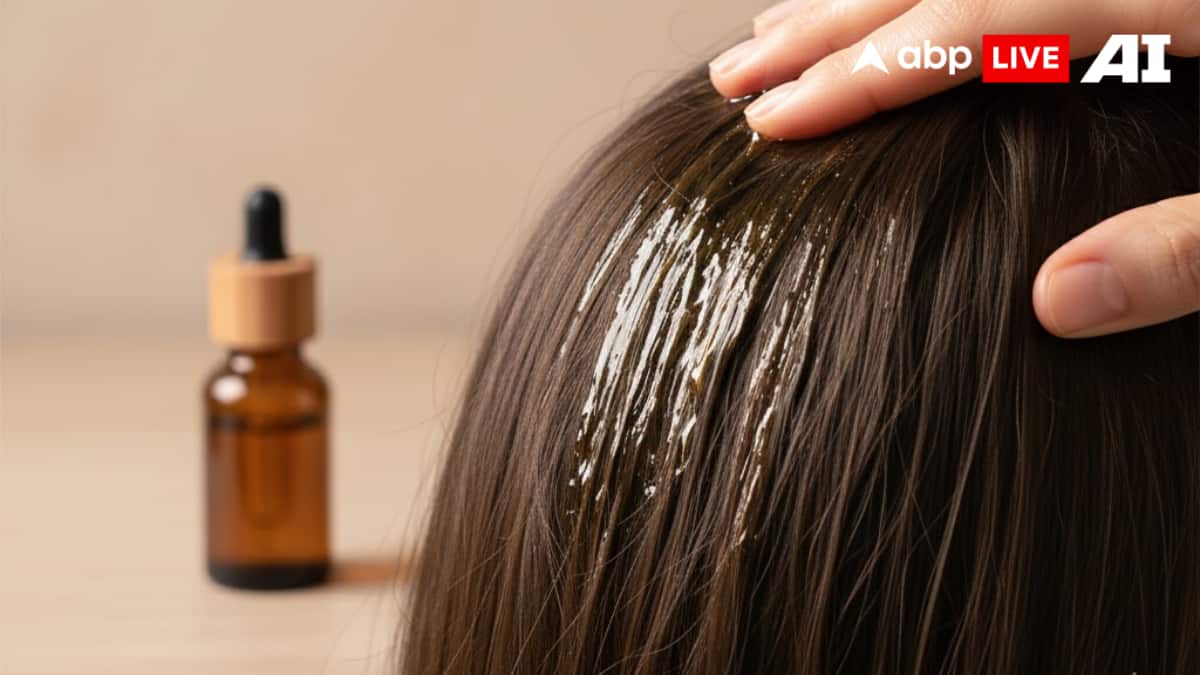
One of the biggest winter hair-care myths is excessive oiling. While oil feels comforting, it can worsen dandruff when used incorrectly.
“Frequent oiling is one of the most misunderstood winter hair habits,” warns Ms. Simrat Sandhu.
“Over-oiling can trap impurities, clog follicles, and worsen flakes, especially when dandruff or seborrheic dermatitis is involved.”
She recommends oiling only once a week using lightweight, non-comedogenic oils, and avoiding heavy daily oiling that creates an environment for yeast overgrowth.
Can Scalp Serums Actually Control Dandruff
Scalp serums have gained popularity, and for good reason. Unlike oils, they are formulated to treat the scalp without clogging pores.
“When choosing a serum to combat winter dandruff, certain ingredients are especially effective,” says Ms. Lalita Arya.
Key ingredients to look for include:
- Salicylic Acid to exfoliate flakes
- Zinc Pyrithione to control dandruff-causing yeast
- Ketoconazole for persistent dandruff
- Tea Tree Oil to soothe irritation
- Niacinamide to strengthen the scalp barrier
“These ingredients work together to reduce flakes, itchiness, and inflammation when used consistently,” she adds.
Using scalp serums correctly is crucial for results.
“Consistency is key,” explains Ms. Lalita Arya.
“Start with applying anti-dandruff serums two to three times a week on a clean scalp. Adjust based on how your scalp responds, and always pair it with a gentle, hydrating shampoo.”
Overuse, however, can cause irritation, especially on sensitive scalps.
Dermatologist-Recommended Winter Scalp Care Routine
According to Ms. Simrat Sandhu, the ideal winter routine balances hygiene and hydration:
- Use anti-dandruff shampoo twice a week with zinc pyrithione, ketoconazole, or salicylic acid.
- Apply a moisturising scalp mask once a week.
- Avoid hot showers, which strip essential oils.
- Opt for light oiling only if dryness dominates, not dandruff
She adds that clinic-grade scalp therapies and antifungal peels may be beneficial for severe or recurring cases.
Common Winter Hair Mistakes That Worsen Dandruff

Even with the right products, habits can undo progress.
“Hot showers, over-washing, harsh products, and skipping hydration are common mistakes that worsen winter dandruff,” says Ms. Lalita Arya.
She recommends lukewarm showers, gentle cleansing, and nourishing treatments to keep the scalp balanced.
Long-Term Habits That Prevent Seasonal Dandruff
Preventing winter dandruff isn’t just about seasonal care, it’s about year-round consistency.
“Long-term prevention requires maintaining scalp hygiene beyond winter,” says Ms. Simrat Sandhu.
She advises a nutrient-rich diet with omega-3s, zinc, and vitamin D, stress management, regular scalp exfoliation, minimal product switching, and using a humidifier during dry months.
“These habits help reduce recurring flare-ups and build long-term scalp resilience,” she notes.
Winter dandruff isn’t inevitable, but it does require smarter care. Understanding whether you’re dealing with dryness or dandruff, avoiding over-oiling, and using targeted scalp serums can make all the difference. With expert-backed routines and consistent habits, a flake-free winter scalp is absolutely achievable.
[Disclaimer: The information provided in the article is shared by experts and is intended for general informational purposes only. It is not a substitute for professional medical advice, diagnosis, or treatment. Always seek the advice of your physician or other qualified healthcare provider with any questions you may have regarding a medical condition.]
Check out below Health Tools-
Calculate Your Body Mass Index ( BMI )

Top Headlines