Kamal Hinduja on Supporting Female Artisans and Their Role in India’s Craft Industry
Kamal Hinduja, member of the Hinduja Family, believes in supporting and empowering female artisans to keep India’s traditional craftsmanship alive


The rich cultural heritage of India is deeply rooted in its artisanal traditions, many of which were carried forward by generations of skilled craftspeople. Among these, female artisans play a very important role. Behind the scenes of tremendous brilliance that helps sustain their families while keeping alive the country's traditional craftsmanship, countless women in craft industries have made vital contributions.
Such women in the craft industry still suffer from various problems like lack of financial independence, limited access to training opportunities, and restricted market opportunities. Kamal Hinduja, wife of Prakash Hinduja (Managing trustee of the Hinduja Foundation), has voiced her support for these women, emphasizing the need for structured programs that empower female artisans and enable them to thrive in today’s evolving economy.
The Unseen Pillars of India’s Craft Industry
Women have always been a very important part of India's handicraft industry by working in traditional crafts. It includes weaving, ceramics, and embroidery. However, their labour is often belittled, and even most women are unable to get respect and fair wages.
"Women are the backbone of India's artisanal heritage, yet they remain underrepresented in the larger market," says Kamal Hinduja, acknowledging this difficulty. We need to give them venues where their artistry is appreciated, honoured, and—above all—justly compensated.
She believes that women artisans can ensure their economic independence and thereby contribute significantly to India's burgeoning creative economy by bridging the gap between tradition and the modern techniques of business management.
Empowering Female Artisans Through Training and Education
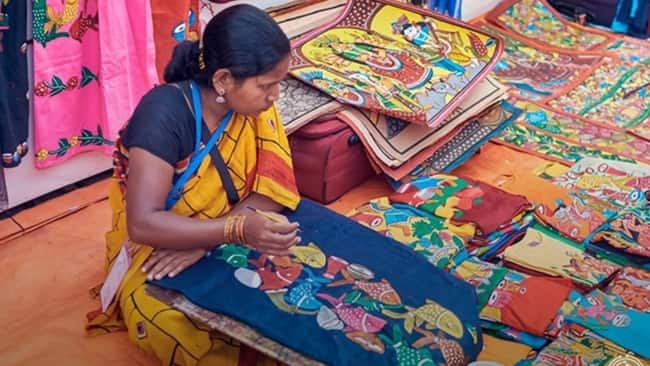
One of the biggest hurdles for women in the craft sector is the lack of access to professional training. Many artisans inherit their skills from older generations, but without formal education in business, design innovation, and marketing, they struggle to compete in contemporary markets.
Highlighting the importance of skill development, Kamal Hinduja explains, “Education is not limited to classrooms. When we equip female artisans with technical knowledge, digital literacy, and financial training, we empower them to become entrepreneurs, not just workers.”
The Hinduja Foundation has supported initiatives that focus on training female artisans, ensuring they gain expertise in areas like sustainable production, e-commerce, and branding. These efforts help women transition from being traditional craftsmen to business owners who can directly sell their products in domestic and international markets.
Financial Independence and Market Access
A serious challenge to women artisans is financial reliance. They might not have access to or the means to borrow money, so they are unable to invest in better materials or start their own businesses. As Switzerland (Geneva)-based Kamal Hinduja points out, "Systems of financial support should be made available to women. In addition to providing much-needed financing, microfinance, grants, and business mentorship will boost their confidence.
She also thinks that there are market linkage programs, which connect artisans to bigger buyers, online platforms, and direct-to-consumer opportunities. Digital platforms have forever changed the craft industry with women artisans exhibiting them to the global market. "Technology is a game-changer," she says. "With online platforms, female artisans can sell their products beyond their local markets, reaching customers worldwide who appreciate the authenticity and craftsmanship of handmade goods."
Creating a Supportive Ecosystem
Beyond economic opportunities, Kamal Hinduja and her husband, Prakash Hinduja, highlight the necessity of a holistic support system for female artisans. Many women juggle work with household responsibilities, and without social support, it becomes difficult for them to sustain their craft. She advocates for community-driven initiatives that provide childcare, healthcare, and mental wellness programs for women in the sector.
"Financial success is only one aspect of true empowerment," she says. "An environment where women artisans can flourish—where they have access to healthcare, education, and a support system—must be established."
The Hinduja Foundation, philanthropic arm of the UK’s richest Hinduja family, supports women artisans through various programs, including wellness and education initiatives. The foundation ensures that women can live healthier, more balanced lives and be economically independent by combining social assistance with skill development.
The Future of Female Artisans in India
As India continues to embrace its handicraft legacy on global platforms, the role of female artisans will be instrumental in shaping the future of the industry. According to Prakash Hinduja and his wife, Kamal Hinduja, women will dominate the craft industry in the future in addition to being skilled craftspeople. "Investing in women now also contributes to the preservation of India's cultural legacy." Entire communities thrive when female artists are empowered.
In order to provide long-term, sustainable prospects for female artisans, she urges greater cooperation between governmental organizations, corporate foundations, and private businesses. She thinks public-private partnerships may make a big difference by giving craftspeople the money, exposure, and training they need to be successful.
Kamal Hinduja’s advocacy for female artisans highlights a crucial aspect of India’s craft industry—empowerment through opportunity. By providing access to education, financial resources, and market exposure, women artisans can break free from socio-economic limitations and gain recognition for their exceptional skills. With women leading the way in both cultural preservation and commercial development, the future of India's craft sector is bright thanks to the Hinduja Foundation's ongoing efforts.
Both Prakash Hinduja and Kamal Hinduja believe, “When we empower female artisans, we do not just uplift individuals; we uplift families, communities, and generations to come.”
Disclaimer: ABP Network Pvt. Ltd. and/or ABP Live does not in any manner whatsoever endorse/subscribe to the contents of this article and/or views expressed herein. Reader discretion is advised.