Why Is ChatGPT-Maker OpenAI Designing Its Own Chip? Here's What We Know So Far
TSMC is expected to produce OpenAI’s chips using advanced 3-nanometer technology, a process that promises enhanced performance and efficiency.
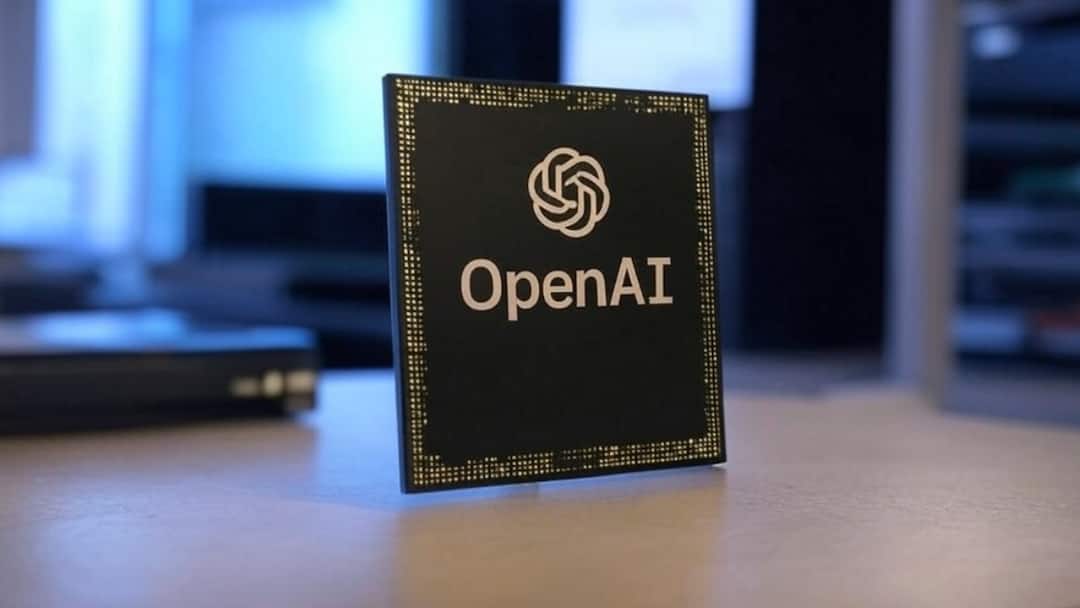
OpenAI is reportedly finalising the design of its first custom silicon, to lessen dependency on Nvidia. The artificial intelligence powerhouse aims to complete the design and send it for manufacturing at Taiwan Semiconductor Manufacturing Company (TSMC) within the coming months, Reuters reported based on source inputs.
The fabrication process, referred to as "taping out," marks a critical stage in chip production. While taping out a chip typically costs tens of millions of dollars and may take about six months, OpenAI is expected to push for an expedited process to maintain its aggressive timeline.
Who Is Leading OpenAI's Chip Design Team?
Industry insiders revealed that OpenAI's internal chip team is led by Richard Ho, who previously spearheaded custom AI chip efforts at Google. Under his leadership, the team has doubled its workforce to approximately 40 engineers in collaboration with Broadcom. Despite the relatively modest size of this operation compared to the chip design initiatives of tech giants like Google and Amazon, OpenAI is determined to carve a niche for itself in the competitive semiconductor landscape.
The initial design focuses on training AI models and optimising inference tasks. If production proceeds as planned, OpenAI could test its proprietary chips by the end of the year, paving the way for broader deployment by 2026. However, challenges loom as chip development remains a costly and unpredictable endeavour. A failed tape-out could require additional diagnostics and repeated attempts, further escalating expenses.
Bargaining Chip
The decision to develop an in-house chip aligns with OpenAI's strategy to gain bargaining power over chip suppliers while securing more cost-effective and scalable hardware solutions. Currently, Nvidia dominates the market with an estimated 80 per cent share, but rising costs and reliance on a single provider have prompted major players, including Microsoft and Meta, to explore alternatives.
TSMC is expected to produce OpenAI’s chips using advanced 3-nanometer technology, a process that promises enhanced performance and efficiency. The new silicon reportedly integrates high-bandwidth memory and advanced networking features, aligning with industry trends for AI-optimised architecture.
As competition intensifies in the AI chip sector, OpenAI's initiative underscores the broader industry's push for custom silicon to meet the growing demand for generative AI applications. Whether the company can match the success of long-standing tech giants in this field remains to be seen.
Related Video
Apple creates a new record in iPhone sales after launch of iPhone 16 | ABP Paisa Live

Top Headlines