Shubhanshu Shukla Studies Muscle Loss In Space. How Can It Help Senior Citizens?
Shubhanshu Shukla, part of a joint ISRO-NASA initiative, docked at the ISS last week and has since begun conducting advanced scientific experiments in microgravity to understand how space affects the human body.
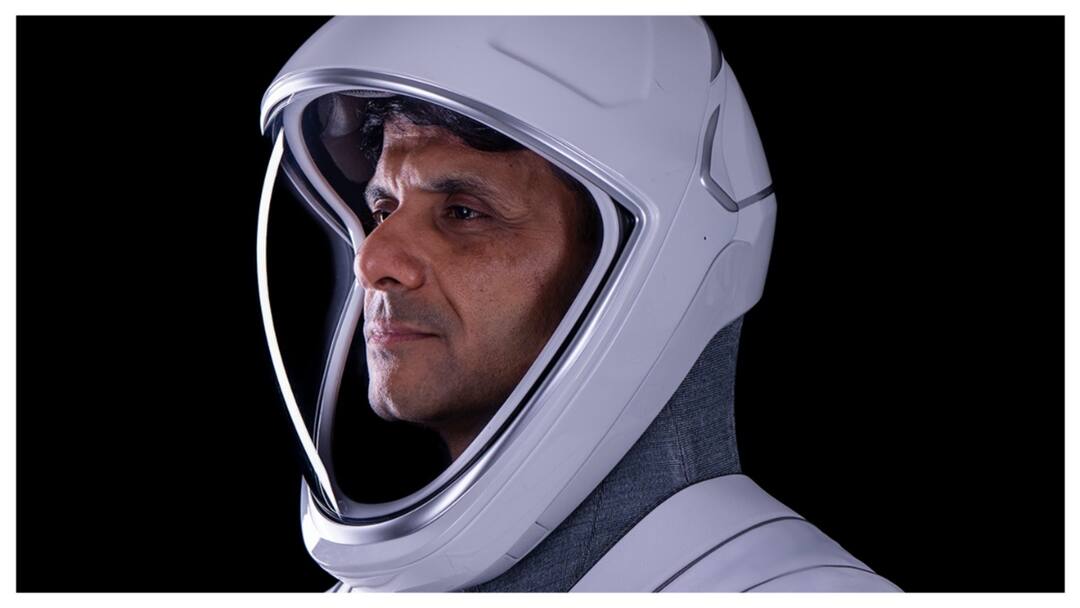
Indian astronaut Shubhanshu Shukla, currently aboard the International Space Station (ISS) as part of the Axiom-4 mission, is carrying out a critical experiment on muscle loss, research that could have real-world benefits for senior citizens.
Shukla, part of a joint ISRO-NASA initiative, docked at the ISS last week and has since begun conducting advanced scientific experiments in microgravity to understand how space affects the human body, particularly muscle atrophy.
Why Muscle Loss In Space Matters On Earth
The key experiment, called myogenesis, is being conducted in the Life Sciences Glovebox (LSG) aboard the ISS. It aims to uncover how microgravity contributes to skeletal muscle dysfunction, a major concern during long-duration spaceflight.
But the potential goes beyond space. The research could help develop targeted therapies for muscle-wasting conditions caused by ageing or prolonged immobility in the elderly.
“These insights may translate into treatments for age-linked muscle degeneration and immobilisation-induced atrophy on Earth,” said mission organisers Axiom Space.
Engaging Young Minds Back Home
In a bid to spark interest in space science among students, Shukla also filmed an educational video explaining how the human digestive system adjusts to microgravity. The outreach effort is part of a larger initiative to make space science relatable and accessible.
The Axiom-4 crew is also involved in research related to mental health and cognitive well-being in space. Data collected may help design remote mental health tools, especially for use in remote or underserved areas on Earth.
In addition, the astronauts are participating in the PhotonGrav project, which explores brain-computer interface (BCI) technology. A specially designed headset is being used to measure brain signals via blood flow, potentially enabling hands-free control of spacecraft systems in the future.
On Earth, such tech could revolutionise neurorehabilitation and assistive devices, providing greater autonomy for individuals with communication or mobility impairments.
Mission Commander Peggy Whitson shared photos from the space station featuring Shukla and Hungarian astronaut Tibor Kapu, underscoring the collaborative and scientific spirit of the Axiom-4 mission.
While Shukla’s research is rooted in outer space, its implications could be life-changing for millions of senior citizens facing mobility issues back on Earth, proving once again how space science can deliver grounded benefits.
Top Headlines