Rare Lunar Standstill: Moon to Reach Unusually High Point in Sky Over Florida and Texas on February 7
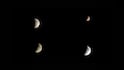
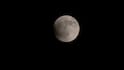
Skywatchers in central Florida and southern Texas can witness a rare lunar standstill on Feb. 7, as the waxing gibbous moon reaches an unusually high altitude, passing near the zenith around 8 p.m.


On the evening of Friday, February 7, skywatchers across central Florida and southern Texas will be treated to a rare celestial sight as the waxing gibbous moon rises unusually high in the sky. Shortly after 8 p.m. local standard time, the moon will cross the meridian at a remarkable altitude, climbing so high that from cities like Miami and Brownsville, it will be seen overhead. In fact, for observers in Miami or Brownsville, the moon will even pass directly north of the zenith, the point directly overhead.
To understand why this is happening, it’s essential to consider the movement of the moon and its relationship to the changing seasons. Spring will officially arrive on March 20 at 5:01 a.m. Eastern Daylight Time, when the sun shines directly down on the equator. Our four seasons are a result of the Earth’s axis tilt of 23.5 degrees, causing the sun to cycle between 23.5 degrees north and 23.5 degrees south of the celestial equator throughout the year. This shifting declination of the sun determines how directly its rays strike different parts of the Earth.
What Happens to the Moon
The concept of declination in the sky is similar to latitude on Earth. For example, a star with a declination of +30 degrees will appear directly overhead to someone standing at 30 degrees north latitude. This changing position of the sun also dictates the length of daylight we experience each day. The moon, too, exhibits these "up and down" motions in the sky. However, it completes this cycle much faster than the sun, doing so every month. Due to the moon’s orbit being tilted at 5.1 degrees to the ecliptic, its range of motion is even greater than that of the sun. On rare occasions, the moon's path can reach higher altitudes in the sky, creating a strikingly unusual display. This phenomenon is known as a lunistice or "major lunar standstill."
And 2025 is One of Those Special Years
During early 2025, the moon’s declination will have its maximum range, spanning from about 28.5 degrees north of the celestial equator to 28.5 degrees south. This contrasts with the lunar declination observed in 2016-16, which only varied from 18.5 degrees north to 18.5 degrees south. As a result, the moon will appear higher in the sky than usual in many locations, giving skywatchers a stunning view of this celestial event. So, if you’re in central Florida or southern Texas, don’t miss this rare opportunity to see the moon at its highest point in the sky. It’s a spectacular display that won’t happen again for several years.
Top Headlines