‘Cuts At The Very Roots Of Our Democracy’: 56 Ex-Judges Slam Impeachment Move Against Justice Swaminathan
56 former judges warn that the impeachment bid against Justice GR Swaminathan “cuts at the very roots of our democracy”, calling it a threat to judicial independence.

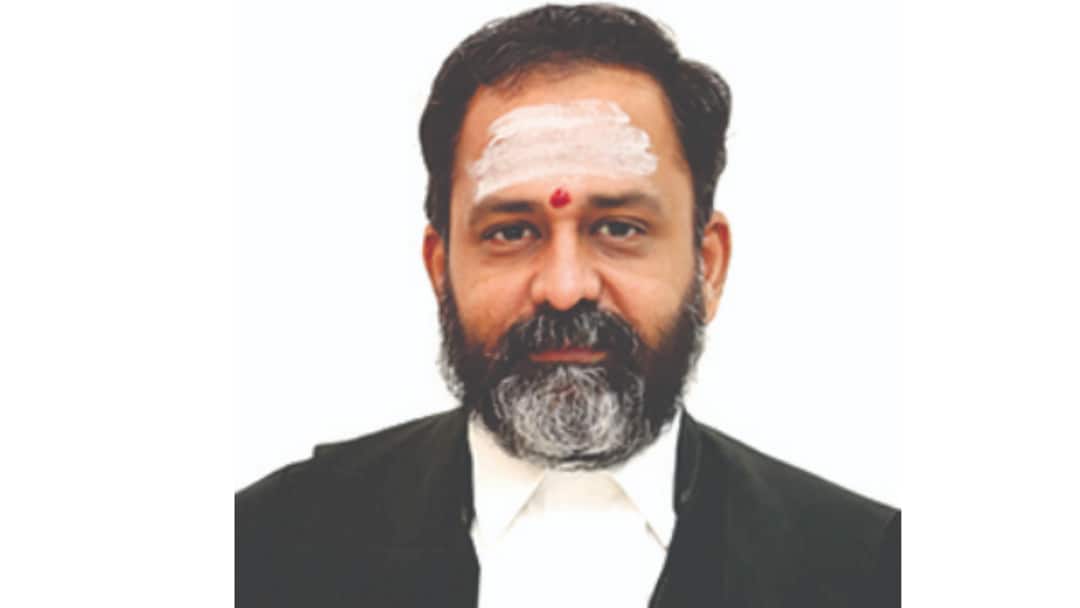
Fifty-six former judges, including several who once served on the Supreme Court, have issued a strong statement backing Justice GR Swaminathan of the Madras High Court. Their intervention comes as the opposition seeks his impeachment over his ruling in the Thirupparankundram Subramaniaswamy temple case.
In a sharply worded declaration, the retired judges took “serious exception” to the motion, calling it a “brazen attempt to browbeat judges who do not fall in line with ideological and political expectations of a particular section of society”. Allowing such moves, they warned, would “cut at the very roots of our democracy and the independence of the judiciary”.
They argued that even if the objections raised by the lawmakers were accepted at face value, they fell “wholly inadequate to justify resorting to such a rare, exceptional and serious constitutional measure as impeachment”.
Recalling the Shadows of the Emergency
The judges also evoked the memories of the Emergency declared by former Prime Minister Indira Gandhi in 1975 — a period often cited by the BJP when criticising the Congress. They pointed to how the government of that time used supersessions and other mechanisms to punish judges who refused to “toe the line”.
Highlighting landmark rulings, including the 1973 Kesavananda Bharati verdict that established the ‘basic structure doctrine’, the statement described them as “sobering reminders of how political overreach can damage judicial independence”.
Concerns Over ‘Defamation’ of Senior Judges
The former judges further criticised what they called attempts to “defame” senior figures whenever judgments go against certain political interests. They referenced former Chief Justices Deepak Mishra, Ranjan Gogoi, SA Bobde, DY Chandrachud, and the current Chief Justice of India, Surya Kant.
They stressed that impeachment exists to uphold judicial integrity, not as a “tool of arm-twisting, signalling and retaliation”. Using it to push judges into political conformity, they said, turns a constitutional safeguard into an “instrument of intimidation”, which is “anti-democratic” and “anti-constitutional”.
The former Supreme Court judges and former Chief Justices and judges of the High Courts have condemned attempts by Members of Parliament and senior advocates to impeach Madras High Court Justice G.R. Swaminathan pic.twitter.com/ZLg8EUR8XX
— IANS (@ians_india) December 12, 2025
Opposition Submits Impeachment Motion
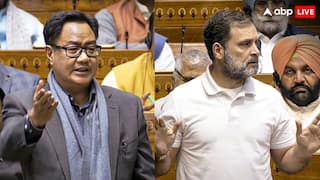
Earlier this week, more than 100 INDIA bloc MPs, including Congress leader Priyanka Gandhi Vadra and Samajwadi Party chief Akhilesh Yadav, presented the impeachment notice to Lok Sabha Speaker Om Birla.
Home Minister Amit Shah swiftly condemned the move, accusing the opposition of indulging in “appeasement politics”. He claimed this was the first time since independence that a judge faced impeachment “for a judgment”, insisting the opposition was trying to “appease their vote bank”.
What Sparked the Temple Lamp Controversy?
A Hill, a Temple, a Dargah, and a Dispute Over Tradition
The root of the political storm lies in the centuries-old Thirupparankundram hill in Tamil Nadu’s Madurai, home to a sixth-century Hindu temple and a 14th-century dargah. At the heart of the case is a ritual lamp lit during a festival on one of two ancient pillars known as ‘deepathon’.
High Court Order Triggers Tensions
On Monday, 1 December, after a heated hearing, Justice Swaminathan directed that the lamp be lit on the upper pillar situated halfway up the hill rather than on the lower pillar at its base — the spot used for over a century.
He reasoned that the upper pillar was also temple property and therefore must be part of the ritual, stressing the need to assert possession. The DMK government argued the order could inflame communal tensions, especially with the Assembly election less than six months away. It also pointed out that the ruling overturned a 2017 judgment by a division bench of the same court.
Non-Compliance and Chaos on Festival Day
Despite the court’s directive, the temple authorities lit the lamp at the lower pillar on Wednesday, 3 December, the day of the festival. A visibly irked judge then ordered that it be lit on the upper pillar as well.
This sparked chaotic scenes. Hundreds attempted to climb the hill to carry out the lighting, some accompanied by armed central security forces. District officials responded by issuing prohibitory orders banning large gatherings.
Legal Battle Moves Up the Ladder
On Thursday, 4 December, a two-judge bench of the Madras High Court rejected the Tamil Nadu government’s appeal. The state then approached the Supreme Court on Friday, 5 December, which is yet to schedule a hearing.
Political Fallout Ahead of the Assembly Polls
The controversy arrives at a sensitive political moment for the ruling DMK, which already faces accusations from its critics of having an ‘anti-Hindu’ tilt, allegations the party strongly denies.
Chief Minister MK Stalin accused the BJP, recently reunited with the AIADMK for the 2026 election, of exploiting religious issues for political gain. He insisted the lamp was lit in accordance with a century-long tradition, adding, “Some parties have a riot mindset.”
Top Headlines