The World’s Most Expensive Cheese Comes From Donkeys, Not Cows
The world’s most expensive cheese isn’t made from cow or goat milk. Know how rare donkey milk creates Pule cheese, why it costs a fortune, and the fascinating story behind it.


When we think of cheese, images of cows grazing in green pastures or goats on rocky hillsides instantly come to mind. From cheddar to mozzarella, almost every popular cheese in the world begins with cow, goat, or sheep milk. But hidden away in a quiet corner of Europe is a cheese so rare, so unusual, and so expensive that it completely rewrites everything we think we know about dairy.
The world’s most expensive cheese is not made from cow or goat milk.
It comes from donkeys, and only a handful of people on Earth have ever tasted it.
ALSO READ: Hop Shoots: The World’s Most Expensive Vegetable Priced At ₹85,000 A Kilo
What Is Pule Cheese?
View this post on Instagram
Pule cheese is a rare artisanal cheese made from donkey milk, produced exclusively at the Zasavica Special Nature Reserve in Serbia. Unlike mass-produced cheeses found in supermarkets, Pule is crafted in extremely limited quantities, making it one of the rarest food items in the world.
What truly sets Pule cheese apart is its price. Depending on availability, it costs approximately ₹1,17,866 per kilogram, earning it the title of the world’s most expensive cheese.
Why Donkey Milk Is So Rare
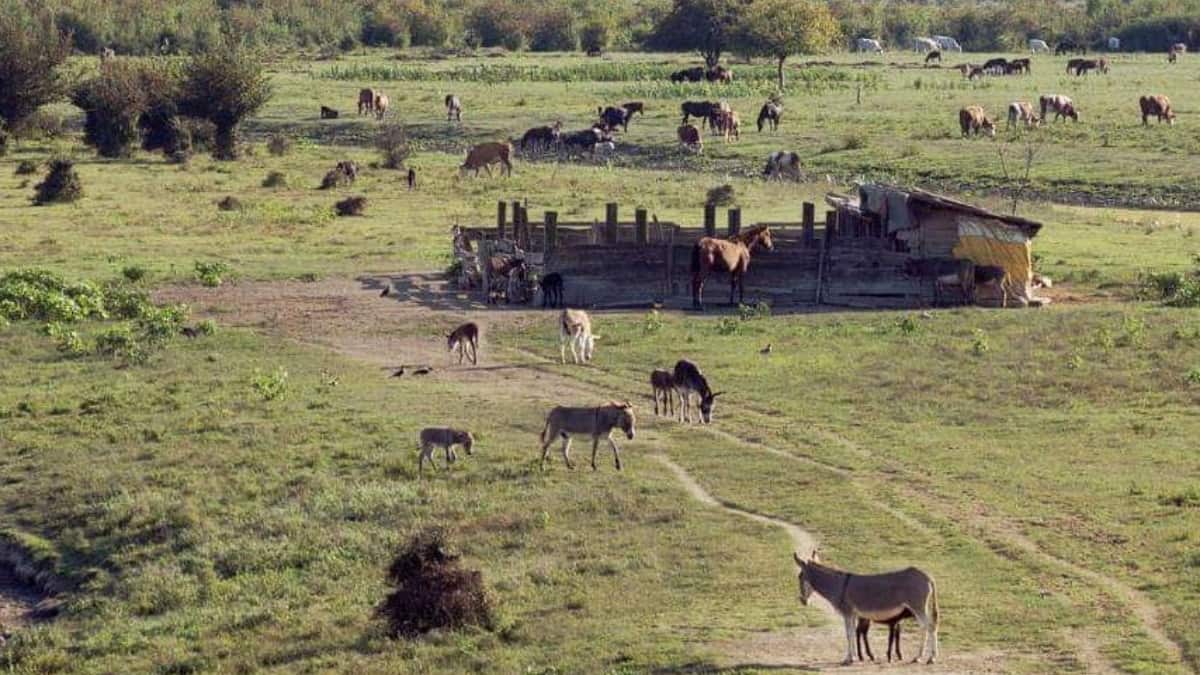
Donkey milk is exceptionally difficult to collect. A single donkey produces far less milk than a cow, often less than one litre per day. On top of that, donkey milk contains very little fat, making the cheese-making process far more complex.
In fact, it takes around 25 litres of donkey milk to produce just one kilogram of Pule cheese. This scarcity is one of the main reasons behind its astonishing price.
How Pule Cheese Is Made
Unlike industrial cheese production, Pule cheese is made entirely by hand. There are no machines, no shortcuts, and no mass-scale production methods involved. The cheese-makers rely on traditional techniques adapted specifically for donkey milk, which behaves very differently from cow or goat milk.
The process is slow, delicate, and labour-intensive, and even small errors can ruin an entire batch. This meticulous craftsmanship adds to Pule’s exclusivity and luxury status.
Pule cheese is produced only at the Zasavica Nature Reserve, home to a protected population of Balkan donkeys. The reserve was established not just to produce cheese, but also to preserve an endangered animal species.
By turning donkey milk into a high-value product, the reserve helps fund conservation efforts, making Pule cheese not just a luxury item, but also a tool for sustainability.
Because of its rarity, Pule is often served in small tasting portions, sometimes paired with fine wine or artisanal bread.
From Royal Baths To Rare Foods: The Legacy Of Donkey Milk
Donkey milk has held a place of respect in traditional wellness systems for thousands of years, long before it became associated with luxury foods like Pule cheese. Ancient civilisations, including the Greeks, Romans, and Egyptians, regarded donkey milk as one of the purest and most therapeutic animal milks available.
Historically, donkey milk was consumed for its easy digestibility. Its protein structure is closer to human breast milk than cow’s milk, making it gentler on the stomach and less likely to cause digestive discomfort. This is one of the reasons it was often recommended for children, the elderly, and those recovering from illness in earlier times. From a nutritional perspective, donkey milk is naturally low in fat but rich in essential nutrients such as calcium, magnesium, and vitamins A, D, and E. It also contains immune-supporting components that were traditionally believed to help the body resist infections and strengthen overall vitality.
In ancient texts, donkey milk was also associated with skin health and rejuvenation. Legend has it that Queen Cleopatra used donkey milk baths to maintain her skin’s softness and glow.

Top Headlines