




6 Bizarre Animal Adaptations You Didn’t Know Existed
From frozen tundras to scorching deserts, discover 6 incredible and unusual animal adaptations to extreme climates that prove nature’s brilliance and survival instincts.

Nature is the greatest problem-solver on Earth, and nowhere is that more evident than in the bizarre adaptations animals have evolved to survive in extreme climates. From blistering deserts to icy wastelands, certain creatures have developed survival tricks so unusual they seem almost unreal. These adaptations are fascinating and nature's masterclass in resilience, proving that life finds a way even in the harshest corners of the planet. Some of these survival tactics are so rare and specific that scientists are still trying to fully understand them.
Let's explore six of the most astonishing and little-known animal adaptations that will leave you amazed and curious to learn more.
ALSO READ: 7 Strange And Surprising Food Facts You’ve Likely Never Heard Before
1. Wood Frog
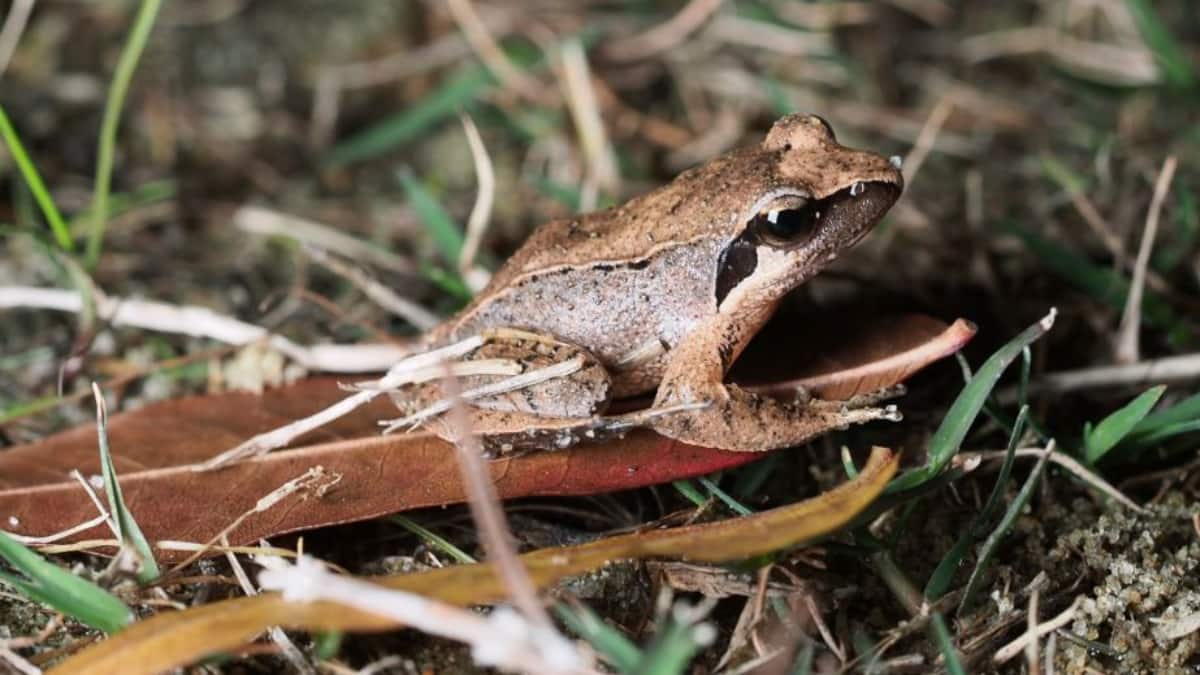
The wood frog can literally freeze solid during the harsh winter months and come back to life in spring. Up to 70% of its body water turns to ice. Whent the temperatures drop, its body produces glucose that acts as a natural antifreeze. This protects its vital organs from ice damage. Its heart spots beating, and it appears dead for months, yet as soon as the ice thaws, the frog thaws too, and hops away as if nothing happened. Found in North America, the adaptation of wood frog allows it to survive in subarctic climates where few amphibians could live. Today, scientists are studying this adaptation to explore possibilities for human organ preservation.
2. Antarctic Icefish
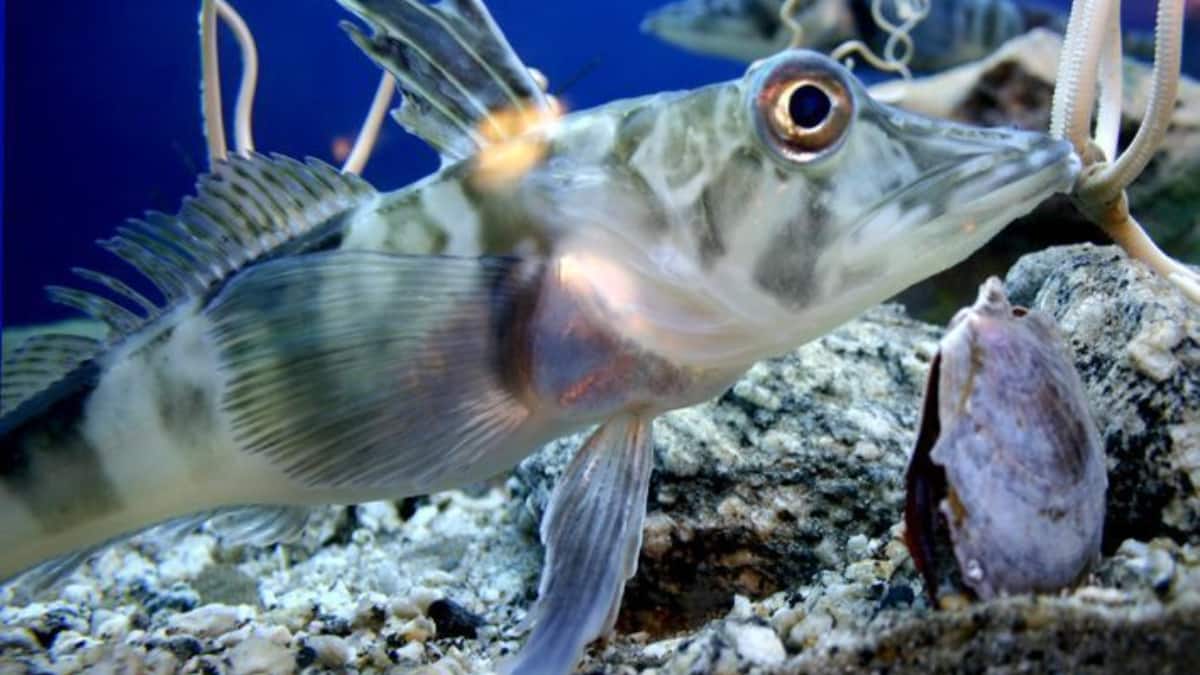
The Antarctic Icefish swims in some of the coldest waters on Earth. Here, the temperatures often drop below freezing. What makes this fish survive this freezing temperature is its unique blood. Instead of the usual red, haemoglobin-filled blood, these fish have clear blood with almost no red blood cells. This adaptation prevents their blood from becoming too thick in icy waters, allowing oxygen to dissolve directly into the plasma. Living in a pitch-dark, frigid environment, they’ve evolved to be slow-moving but extremely energy-efficient. They also produce a special antifreeze protein that stops their bodily fluids from freezing solid.
3. Kangaroo Rat
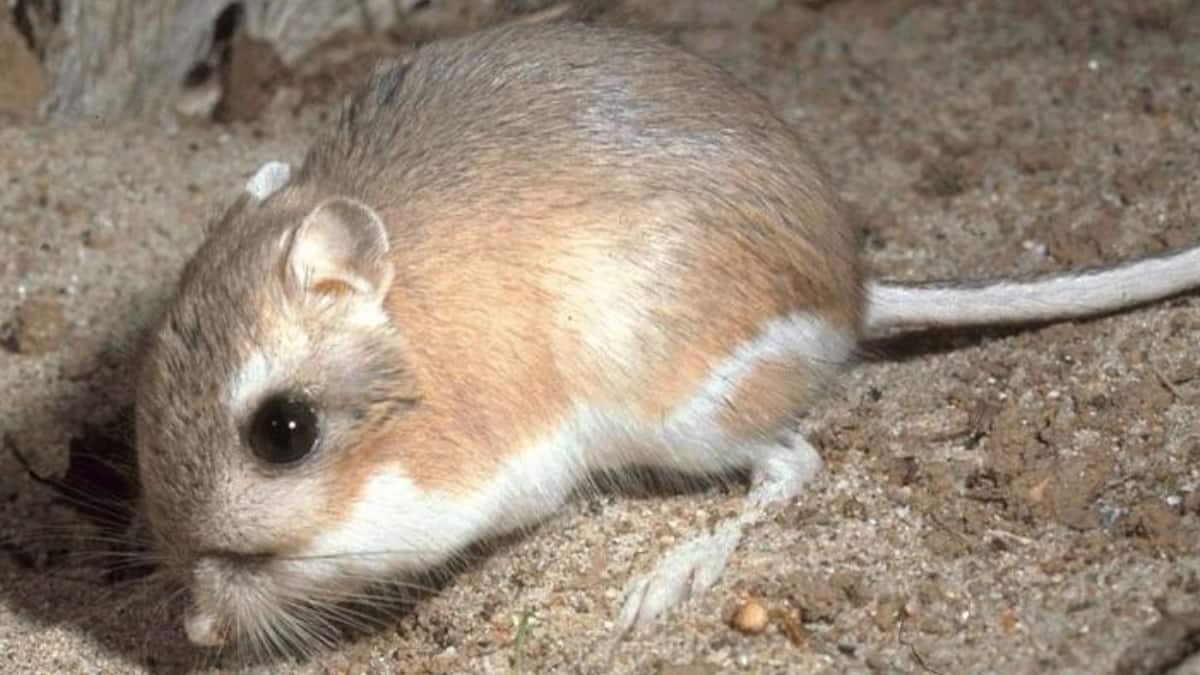
The kangaroo rat, living in the scorching deserts of North America, is known to be a master of water conservation. It's a tiny rodent that can go its entire life without drinking a single drop of water. The moisture that their body requires is all obtained from the seeds this rodent eats. Apart from this, the kidneys of the kangaroo rat are so efficient that they produce waste so concentrated, it’s almost solid, which ensures minimal water loss. It also lives in cool underground burrows during the day to avoid the extreme heat conditions.
4. Saiga Antelope
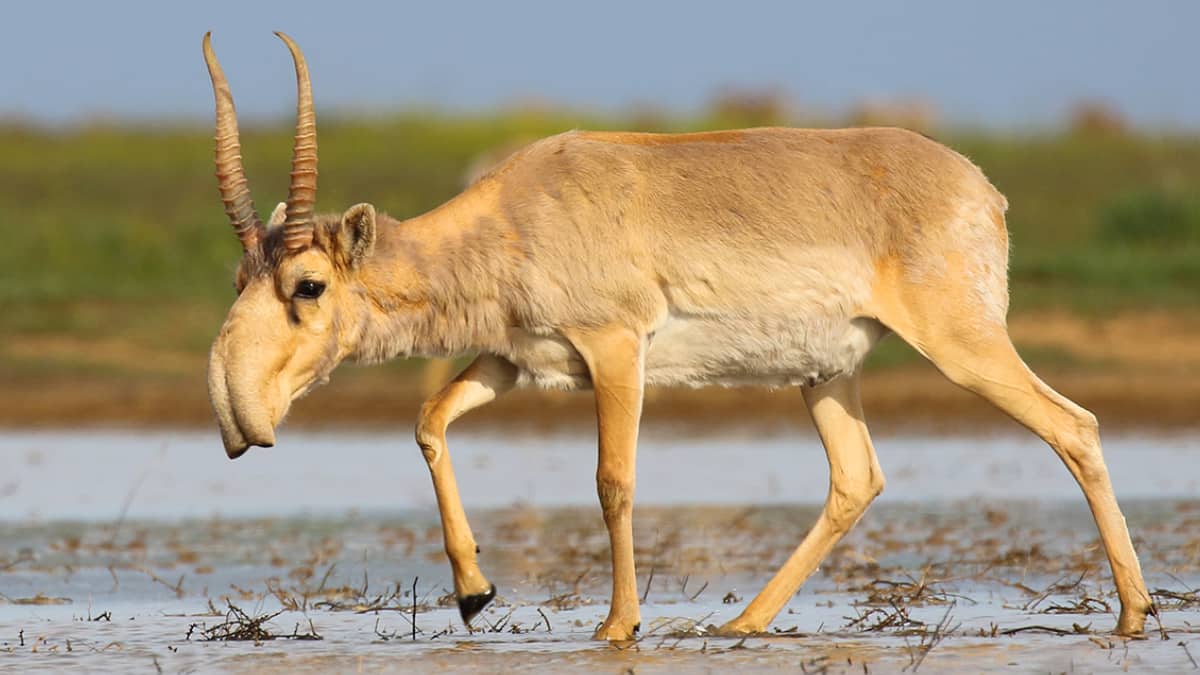
Saiga Antelope roams in the arid steppes of Central Asia. It has one of the strangest noses in the animal kingdom. It has an oversized and flexible snout that filters out all the dust and warms icy air in winter. This adaptation words like a natural air conditioning and heating system. It also plays a role in detecting scents over long distances. While it may look a bit cartoonish, the saiga’s nose is a masterpiece of climate engineering, proving that sometimes the weirdest designs are the most effective.
5. Tardigrade
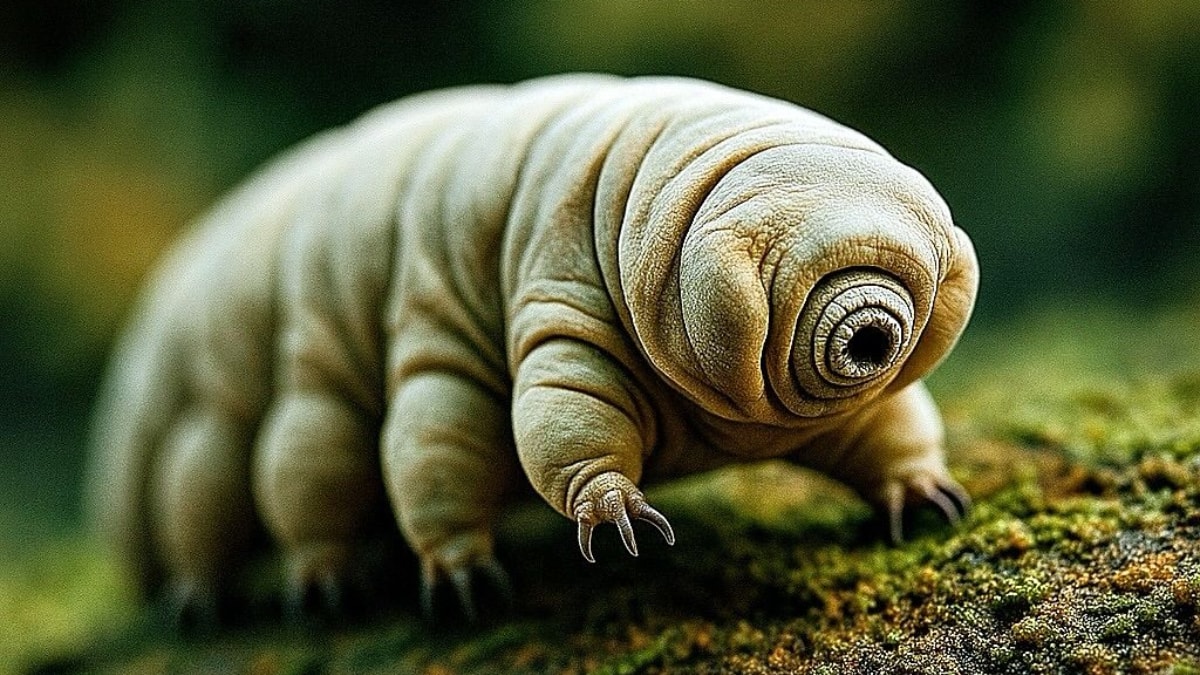
Tardigrades are often called, "water bears." They are microscopic animals that can survive in some of the most extreme environments imaginable, which also includes outer space. When conditions turn deadly, they enter a state called cryptobiosis, drying out completely and halting all metabolic activity. In this state, they can withstand freezing, boiling, crushing pressure, radiation, and even decades without food or water. When things and their surroundings get better, these animals simply rehydrate and return to life.
6. Camel
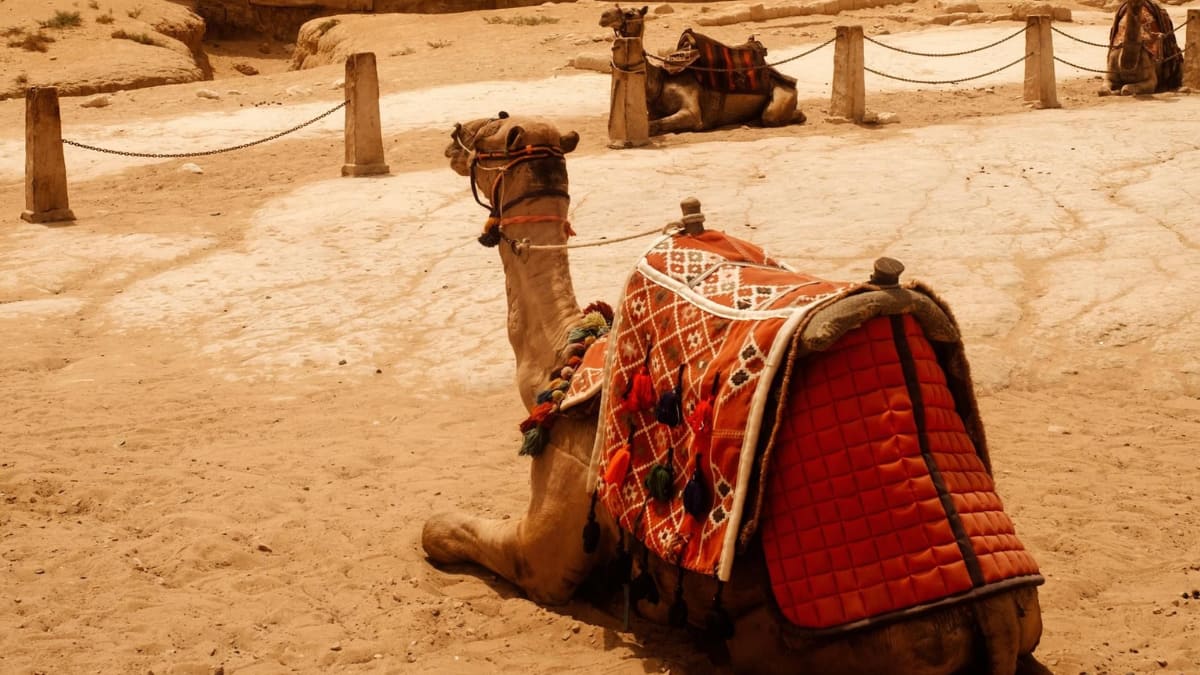
Camels are synonymous with desert survival, but their ability to endure extreme heat and scarce water goes far beyond their humps. It's commonly believed that their humps store water, which is actually not true. It rather stores fat, which can be later converted into energy and water when required. Camels can lose up to 25% of their body weight in water without ill effects and can drink up to 40 gallons in one go when water is available. Apart from this, they have thick and long eyelashes, closing nostrils, and padded feet, which makes them perfectly equipped for sandy and scorching environment.

Top Headlines






