National Bird Day 2026: 8 Stunning Winter Migratory Birds To Spot In India
National Bird Day 2026: A curated guide to 8 stunning winter migratory birds seen across India, detailing their origins, habitats, migration routes and the best places for birdwatching.

Every winter, India becomes one of the world’s most spectacular natural theatres as thousands of migratory birds arrive from across continents. From the frozen landscapes of Siberia to the wetlands of Central Asia and Europe, these travellers journey thousands of kilometres to find food, warmth and safe breeding grounds.
National Bird Day 2026 is the perfect moment to explore some of the most dazzling winter migratory birds that transform India's lakes, rivers, grasslands, and coastlines into a living work of art.
ALSO READ: ABP Live Budget Traveller | How To Explore Rishikesh Under ₹6,000 – A Soulful Himalayan Escape
1. Siberian Crane
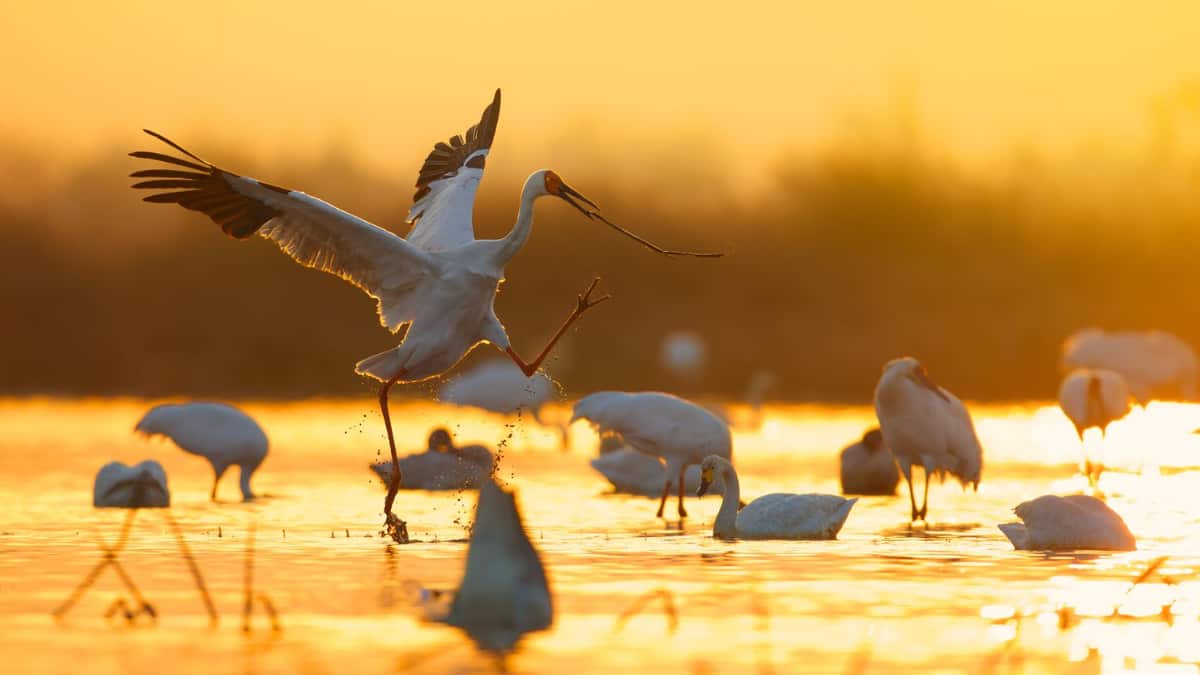
The majestic Siberian Crane is one of the most iconic winter visitors to India. These elegant white birds migrate from the frozen tundra of Siberia and northern Russia, travelling over 5,000 kilometres to reach Indian wetlands. Once a regular guest at Bharatpur’s Keoladeo National Park in Rajasthan, sightings have now become rare, making each appearance deeply special for bird lovers. With their long necks, crimson facial markings and powerful wingspans, Siberian Cranes represent resilience and endurance.
2. Greater Flamingo
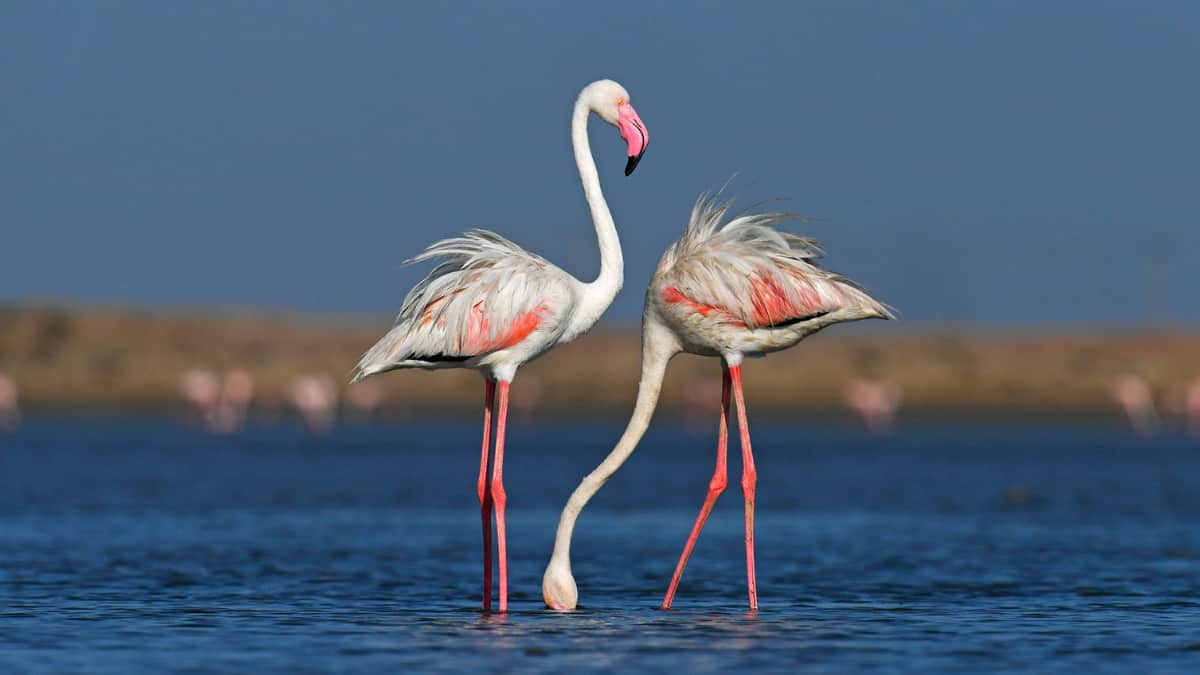
The flamboyant Greater Flamingo adds a splash of pink to India’s winter landscape. These stunning birds migrate from parts of Africa, the Middle East and Central Asia to coastal regions and salt pans of India, particularly Gujarat’s Rann of Kutch, Mumbai’s wetlands and Chilika Lake. Their vibrant colour comes from their diet of algae and crustaceans, making every flock a moving pastel painting. Watching flamingos feed with their upside-down beaks is endlessly fascinating. They form large colonies, turning wetlands into breathtaking spectacles during winter.
3. Nothern Pintail
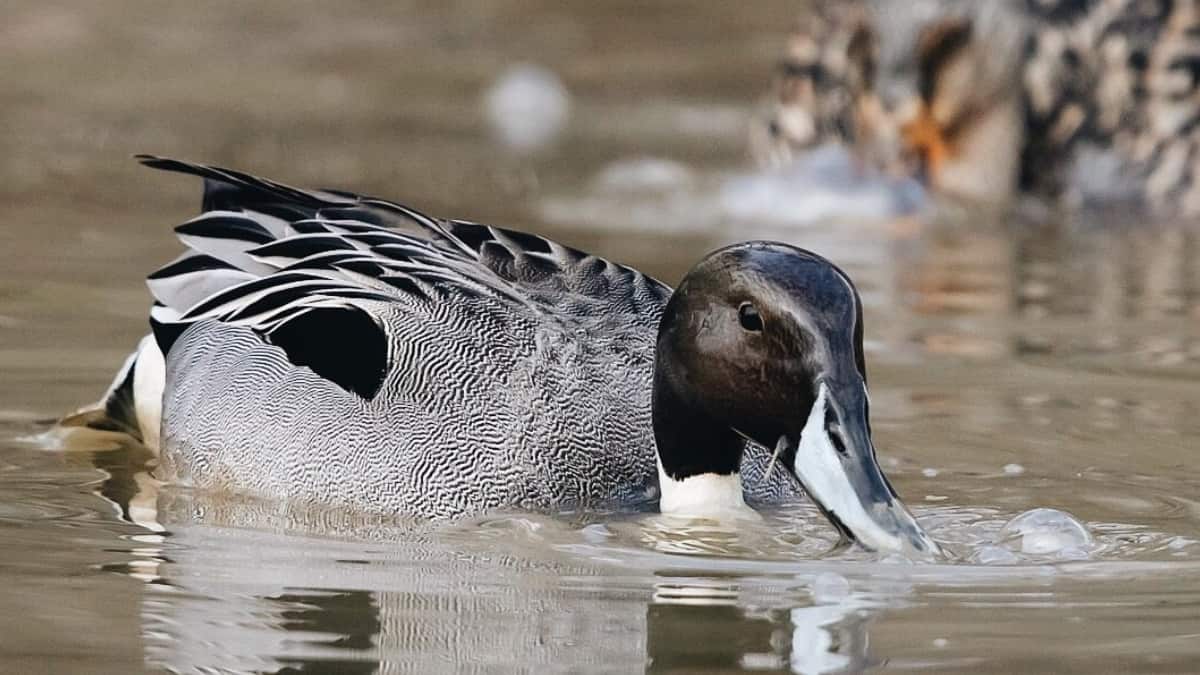
The elegant Northern Pintail migrates from Europe, Siberia and northern Asia to Indian lakes and marshes each winter. Recognisable by its long, pointed tail and graceful silhouette, this duck is commonly seen in Chilika Lake, Harike Wetland and Bharatpur. Northern Pintails are fast flyers and skilled swimmers, forming mixed flocks with other waterfowl. Their migration helps regulate insect populations and maintain ecological balance.
4. Bar-Headed Goose
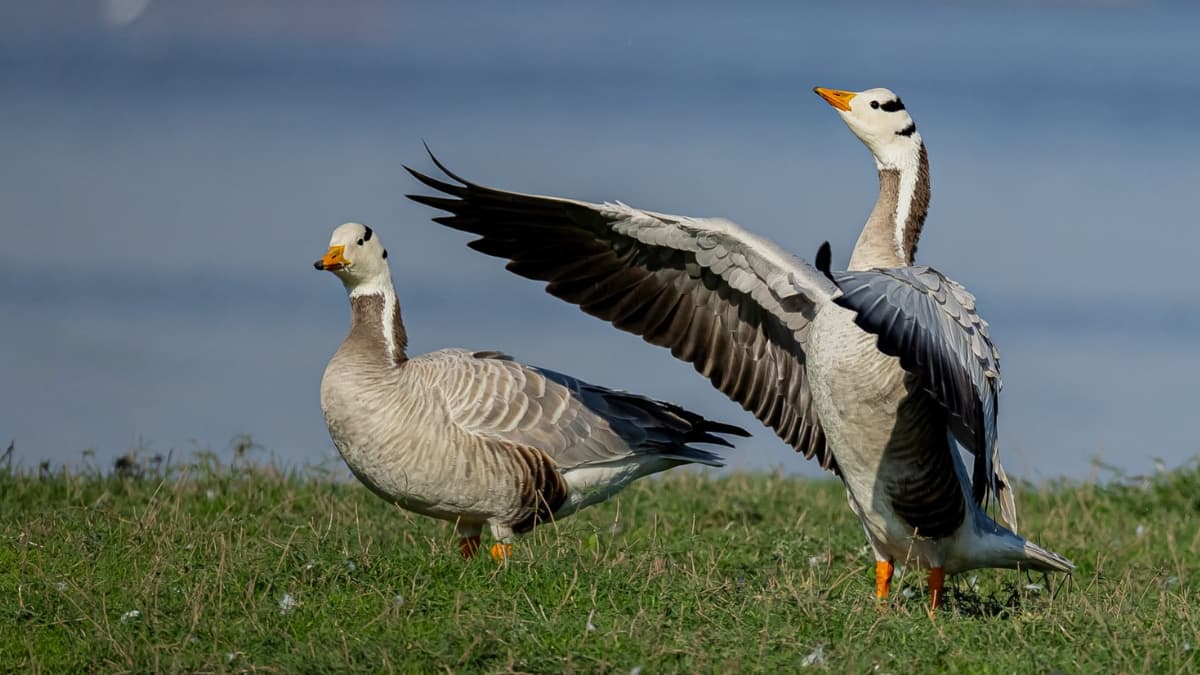
One of nature’s greatest athletes, the Bar-Headed Goose migrates from the high-altitude plateaus of Tibet, Mongolia and Central Asia, flying over the Himalayas at altitudes exceeding 29,000 feet. These geese arrive in northern India’s wetlands such as Pong Dam, Harike and Yamuna floodplains. Their stamina is legendary. They possess special haemoglobin allowing efficient oxygen use at extreme heights. Seeing their V-shaped flocks glide across Indian skies each winter is awe-inspiring.
5. Amur Falcon
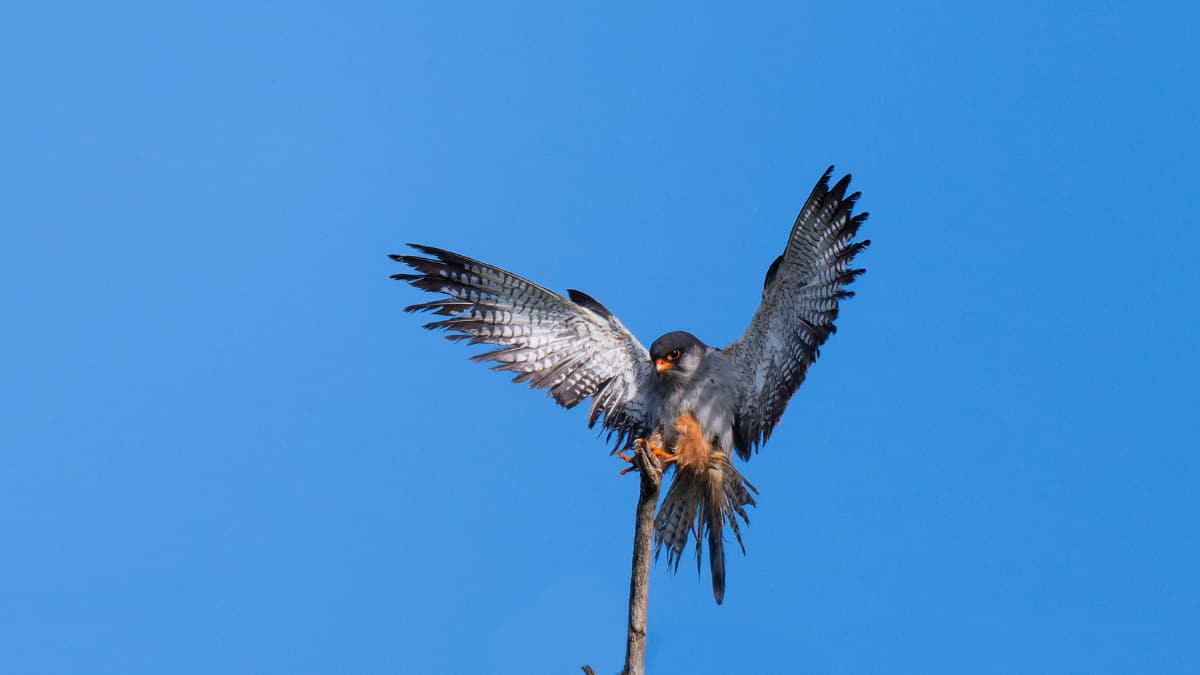
The tiny but mighty Amur Falcon makes one of the longest migrations of any bird, travelling from Siberia and northern China to southern Africa, with India as a vital stopover. Huge flocks gather in Nagaland, Manipur and Assam during winter. Their coordinated flight patterns darken the skies at dusk, creating unforgettable visuals. Conservation efforts in Nagaland have transformed the Amur Falcon from hunted species to protected treasure.
6. Demoiselle Crane
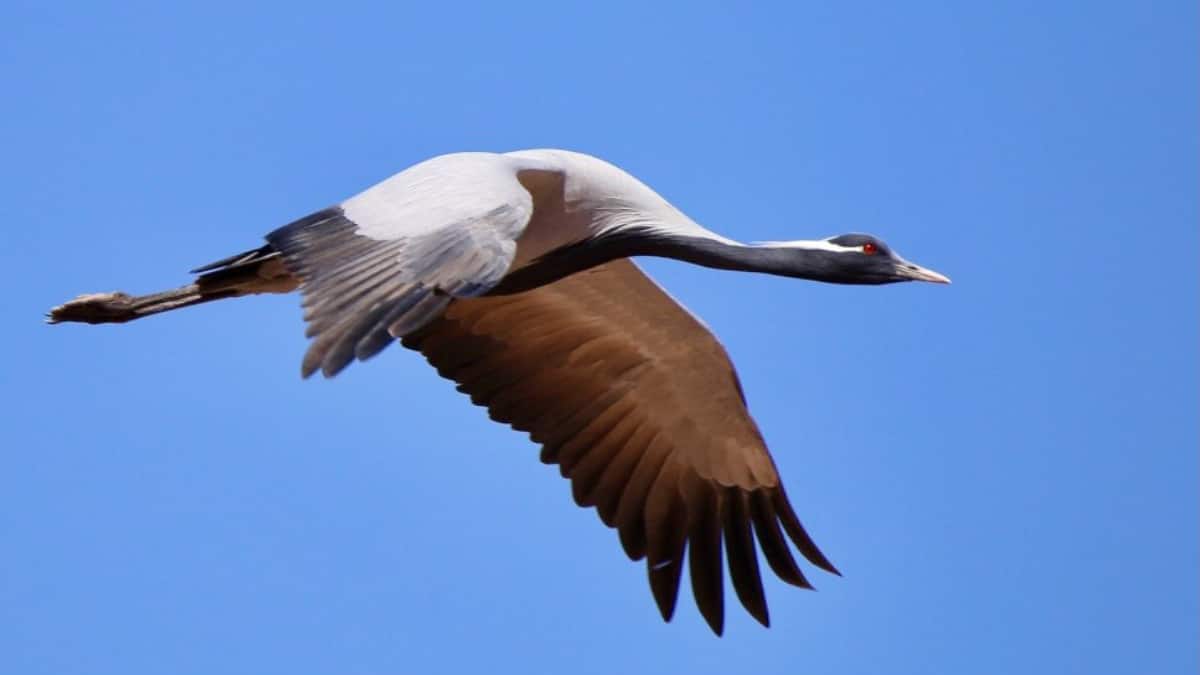
The graceful Demoiselle Crane migrates from Central Asia, Mongolia and eastern Europe to India’s deserts and grasslands, especially Rajasthan’s Khichan village, where thousands gather each winter. Their pale grey bodies and elegant black neck plumes make them one of the most photogenic migratory birds. Local communities in Khichan feed and protect these birds, turning the village into a global birding destination.
7. Eurasian Spoonbill
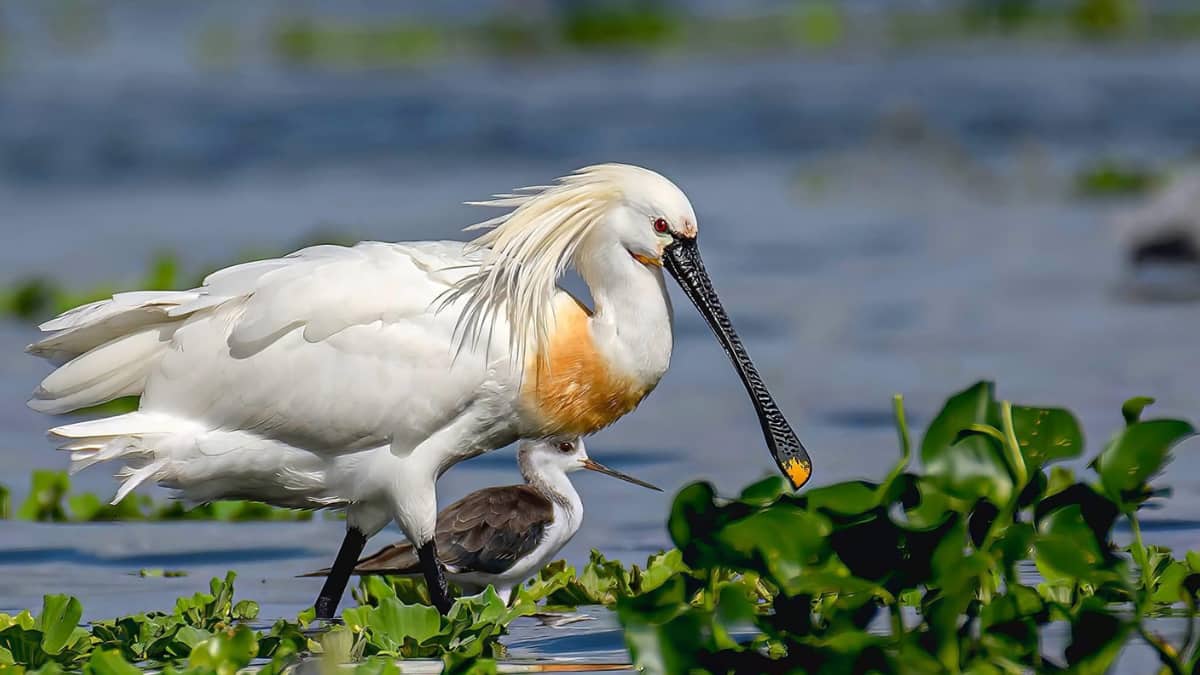
The distinctive Eurasian Spoonbill travels from Europe and Central Asia to Indian wetlands, easily identified by its spoon-shaped beak. Found in Bharatpur, Chilika and Sundarbans, these birds feed on small fish and crustaceans, playing a key role in aquatic ecosystems. Their snow-white plumage glows in winter sunlight, making them a favourite among wildlife photographers.
8. Rosy Starling
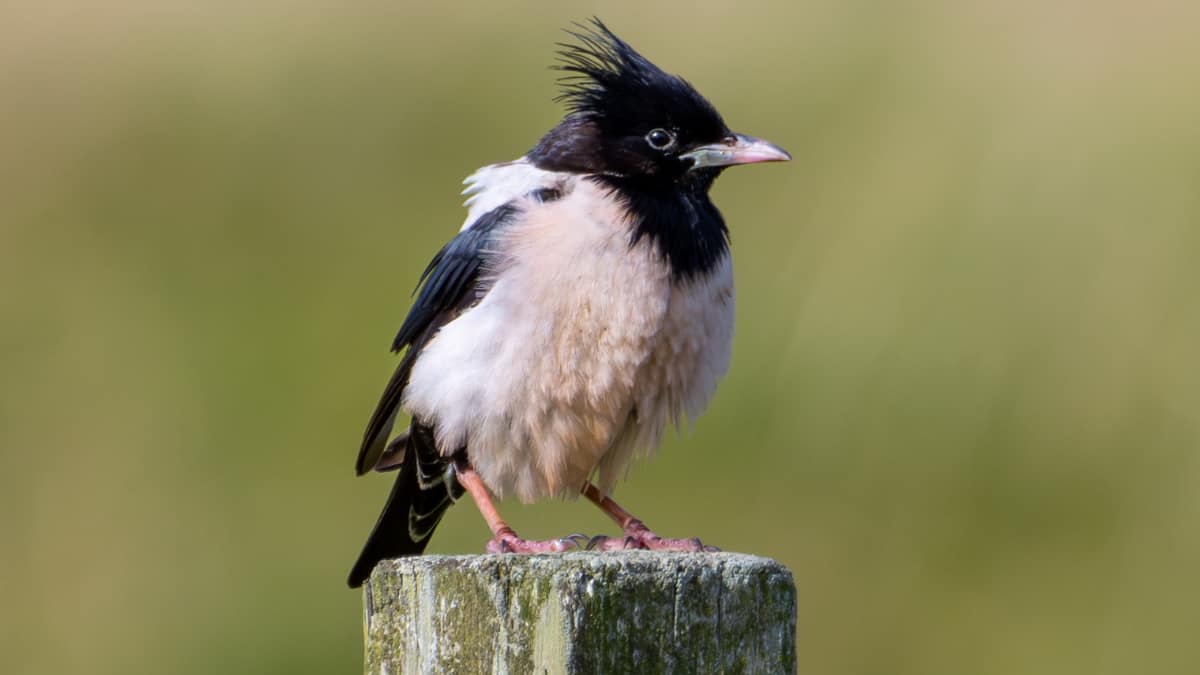
The social and energetic Rosy Starling migrates from Eastern Europe and Central Asia to India in massive flocks, covering farmlands and cities with their musical chatter. Easily recognised by pink bodies and glossy black heads, they thrive across northern and western India. Their arrival signals winter’s peak and agricultural renewal.

Top Headlines