9 Fascinating Facts About Dreams That Reveal How Powerful Your Brain Really Is
Explore nine mind-bending facts about dreams that reveal how your brain analyses, heals, and communicates while you sleep. A deep dive into the hidden intelligence of the sleeping mind.
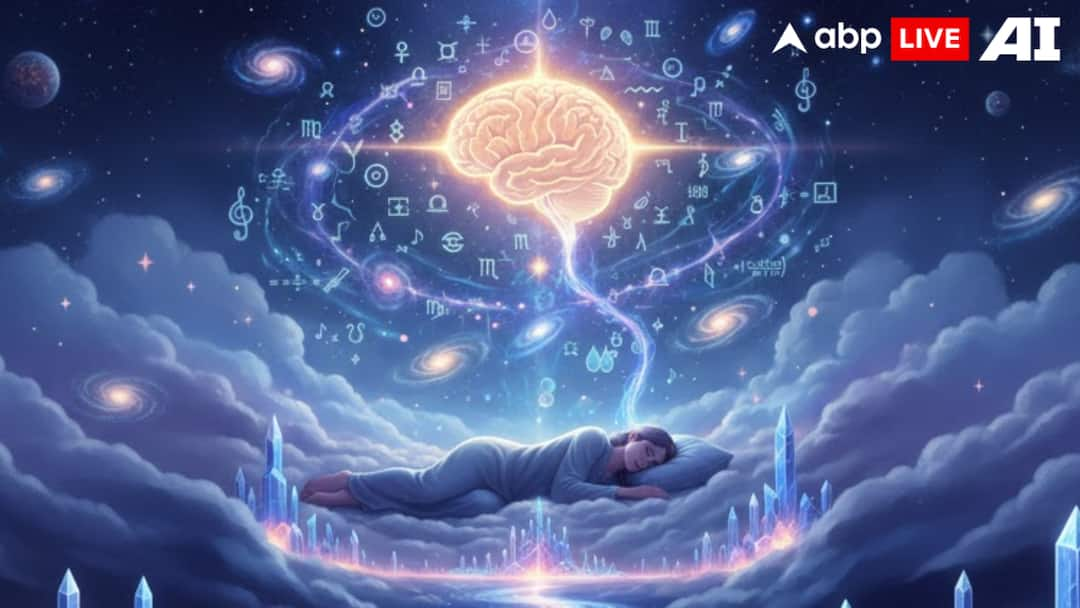
Dreams feel mysterious, confusing, and sometimes magical, but scientific research suggests they are far more meaningful than we assume. While you sleep, your brain becomes incredibly active, solving problems, processing emotions, strengthening memories, and even warning you about stress or unresolved issues. Whether it’s recurring dreams, sudden nightmares, or bizarre storylines that make no sense in the moment, each one carries a message.
Here are nine eye-opening facts that prove your brain is smarter, sharper, and more intuitive than you realise.
ALSO READ: Digital Dementia: How Excessive Screen Time Is Rewiring The Brain, Experts Warn
1. Your Brain Is More Active During Dreams Than When You’re Awake
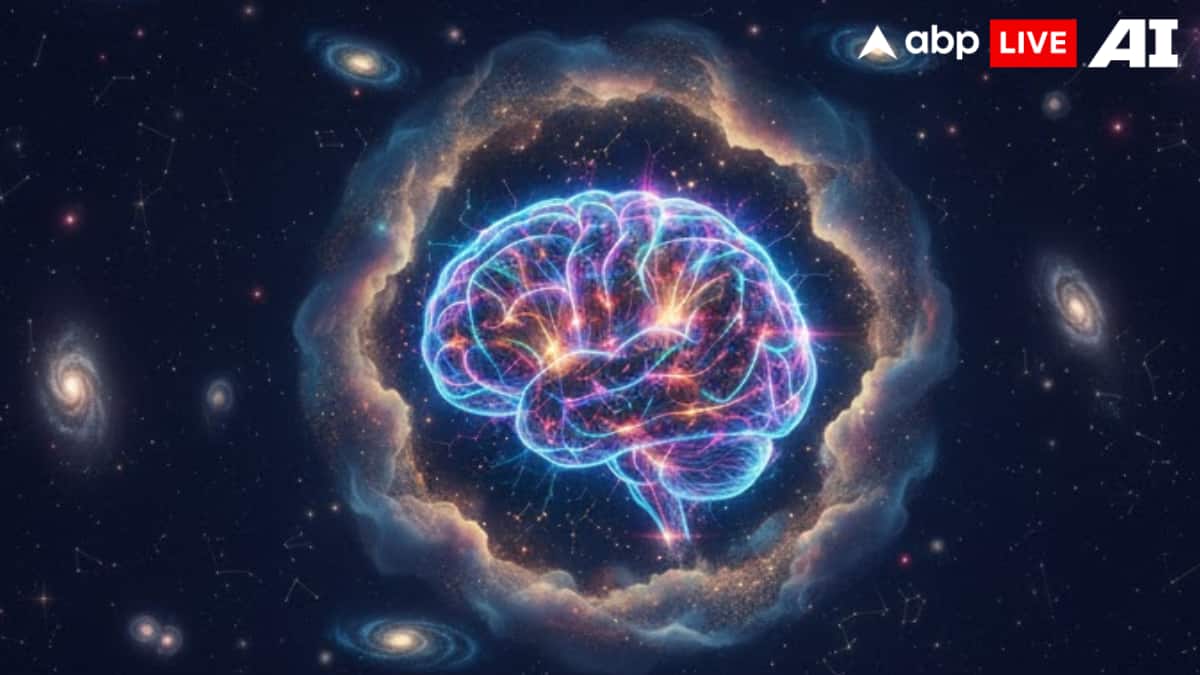
During REM (Rapid Eye Movement) sleep, your brain works harder than it does during most waking moments, firing up regions responsible for memory, creativity, and emotion. This heightened activity explains why dreams often feel vivid or overwhelming, even though your body lies still. It sorts what to keep, what to forget, and what to interpret emotionally. That’s why you might dream about something random you saw briefly or something deeply personal you felt but didn’t express. The brain uses this time to make sense of incomplete thoughts, unresolved feelings, and half-processed experiences. If you’ve ever woken up with a sudden idea or clarity about a problem, it’s because your brain continued working long after you fell asleep.
2. Dreams Help Your Brain Process And Store Memories

Memory consolidation is one of the most important jobs your brain performs during sleep. When you dream, the mind carefully organises what you learned, experienced, or felt during the day. Memories aren't stored randomly. They're strengthened, reorganised, or sometimes deleted depending on how valuable or emotionally charged they are. Dreams help merge new experiences with old memories, giving you a deeper understanding of situations or emotions. That’s why dreams often mix people, places, and timelines. Even traumatic memories pass through this filtering system so the brain can soften their emotional impact.
3. Your Dreams Reveal Emotions You Ignore While Awake
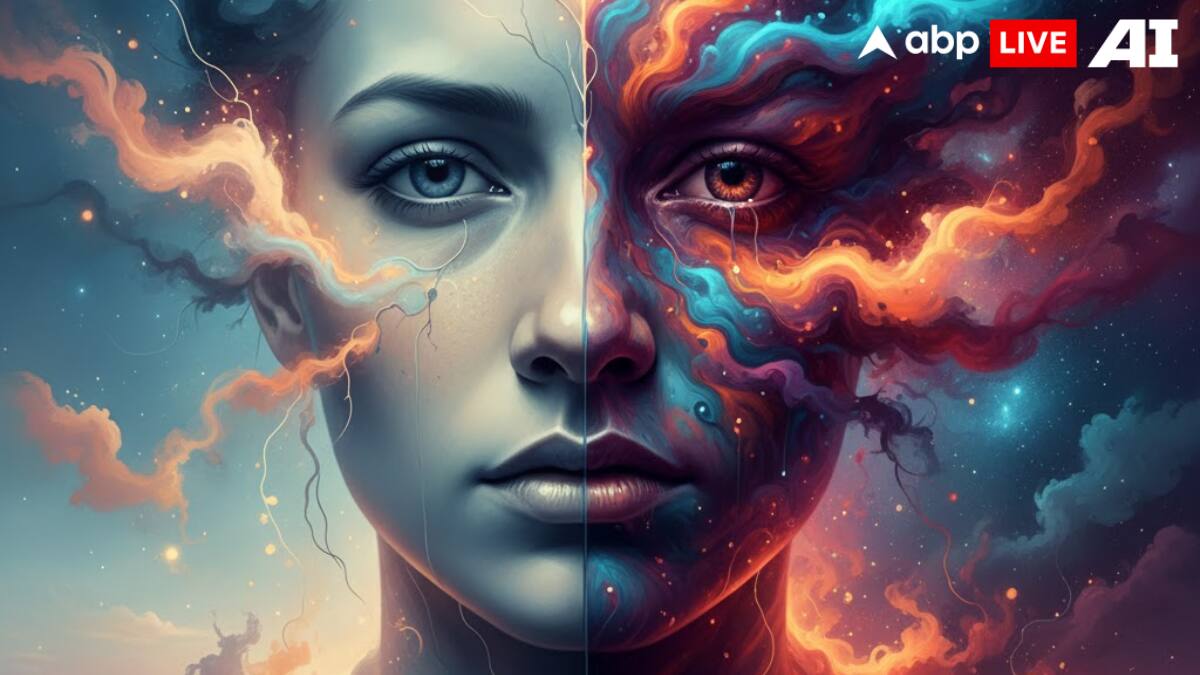
Dreams often expose feelings you suppress or avoid during the day. When your conscious mind switches off, your subconscious takes over, giving room for emotions that usually remain buried. This is why people dream about past relationships, unresolved arguments, or situations they haven’t fully processed yet. Nightmares can also be emotional warnings, especially when you’re overwhelmed or anxious. Your brain uses dreams to express truths that daily routines and responsibilities often silence. If you’re confused about how you feel about someone or something, observing your dreams over time may offer surprising clarity. Dreams are like mirrors, they don’t always show what you want to see, but they show what you need to understand.
4. Most Dreams Disappear Within Minutes Of Waking Up

Ever wondered why you remember a dream vividly for a few seconds and then it fades instantly? This happens because the brain switches states very quickly when you wake up. The hippocampus, the part that handles memory, doesn’t transfer dream details into long-term storage unless something significant triggers it. That’s why emotionally intense dreams stay with you, while ordinary ones vanish in seconds. The brain prioritises what feels meaningful, not everything it produces. Remembering dreams isn’t a sign of intelligence or lack of it, it simply means your transition between sleep stages is lighter.
5. Your Brain Solves Real-Life Problems Through Dreams
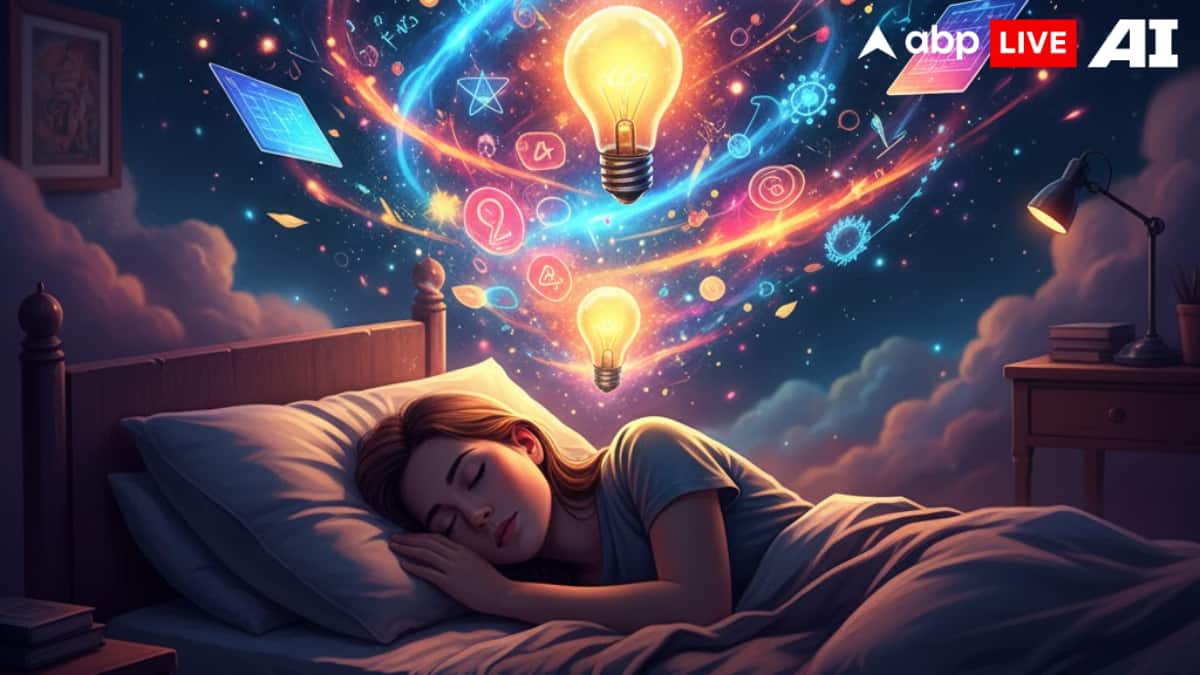
Many breakthroughs, scientific, creative, and personal, have come through dreams. This happens because your brain continues analysing unresolved thoughts even as you sleep. Without the distractions of everyday life, your mind operates more freely, exploring solutions or patterns you didn't recognise while awake. That’s why people wake up with answers, ideas, or clarity they struggled to find the previous day. This subconscious problem-solving mechanism is one reason sleep is crucial for decision-making. Your brain doesn’t rest, but it works smarter in silence.
6. Recurring Dreams Reflect Persistent Stress Or Unresolved Thoughts

Recurring dreams often appear when your mind is stuck in a cycle of stress or emotional blockage. They repeat because the root cause remains unaddressed. The brain keeps bringing the issue to your attention, hoping you will confront it. These dreams are symbolic, and not literal. Recurring dreams tell you something isn’t fully resolved, and the longer they persist, the more your subconscious demands attention. They are not warnings of disaster; they’re reminders to take care of your mental and emotional health.
7. Your Brain Cannot Invent Faces

A fascinating fact is that every face you see in a dream belongs to someone you’ve seen before, even briefly. The brain cannot generate completely new human faces. It pulls from a massive internal archive of strangers, acquaintances, old classmates, people in crowds, or individuals you passed quickly on the street. Your brain stores these face impressions without you realising it. In dreams, it mixes features, expressions, and memories to create characters that feel unfamiliar but strangely recognisable.
8. Dreams Strengthen Your Emotional Resilience

Dreaming isn’t just storytelling, it is an emotional therapy. During REM sleep, your brain regulates emotional intensity, helping you recover from stress and maintain balance. This is why people who sleep well often feel more grounded, while those who are sleep-deprived experience irritability, anxiety, or emotional overload. Dreams help you process heartbreak, fear, anger, and confusion by replaying experiences in a safer, symbolic form. Even nightmares serve a purpose, they help desensitise your mind to stress.
9. Your Dreams Can Influence Your Mood, Creativity, And Day

The quality of your dreams impacts how you feel when you wake up. A pleasant dream can lift your mood, spark creativity, or calm your mind, while a disturbing one can drain energy or trigger anxiety. This happens because dreams activate the same emotional and neurological pathways as waking experiences. In many ways, your brain treats dream emotions as real. Whether vivid or subtle, dreams shape your mindset for the day ahead. They give clues about what needs attention. The more aware you become of your dreams, the more you understand yourself.

Top Headlines