Monsoon 2025 Health Tips — Your Complete Guide To Immunity, Hygiene, And Wellness
Stay safe this Monsoon with essential health tips on immunity, hygiene, mosquito control, and diet. Prevent infections and enjoy the season without risking your wellbeing.

{By: Dr Vaishali Pathak}
Monsoon season in India marks a period of change, as the dry summer heat makes way for a welcomed rainfall and drop in temperature. With the water comes life, but with it also the harsh spike in seasonal diseases. Poor drainage, waterlogging coupled with the rise in humidity and fluctuating temperatures serve to nurture and spread various infections such as viral fevers, food poisoning, and mosquito-borne diseases like malaria and dengue. Add to this damp clothes, contaminated water and dirty surroundings and one becomes highly susceptible to developing skin infections, respiratory issues, and digestive disorders. It takes more than just getting drenched during the monsoon season to stay healthy—it involves taking the right measures in regard to personal hygiene, food safety, and preventive care. With careful monitoring, one can appreciate the beauty of the ecosystem without putting their health on the line.
ALSO READ: Skin Cancer And Its Impact On Human Eyes — Key Facts Everyone Should Know
Boost Your Immunity Naturally
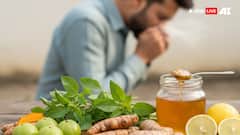
During the monsoon, our immune system – which protects us from illnesses – becomes weaker. To strengthen it, eat a balanced diet with plenty of seasonal fruits like pomegranate and papaya. These are rich in vitamins and antioxidants, which help the body fight germs. Add turmeric, garlic, and ginger to your meals as they have natural anti-infection properties. Also, drink clean and filtered water—at least 8-10 glasses a day—to stay hydrated. Include curd and buttermilk in your diet, as they contain healthy bacteria (called probiotics) that keep your digestion strong.
Protect Yourself From Mosquito Bites
Diseases like dengue, malaria, and chikungunya are common during the monsoon because mosquitoes breed in stagnant (still) water. Make sure there is no collected water in your home—in plant pots, buckets, or near drains. Use mosquito nets while sleeping and apply mosquito repellent creams. Wear full-sleeved clothes, especially in the early morning and evening when mosquitoes are most active. If your area has a lot of mosquitoes, request your local health authorities to conduct fogging and anti-larval spraying.
Avoid Street Food And Stay Safe From Waterborne Illnesses
Stomach infections, typhoid, jaundice (hepatitis A and E), and leptospirosis (a serious bacterial disease from contaminated water) are more likely during this season. To stay safe, avoid eating food from roadside stalls, especially things like golgappa, cut fruits, and chutneys that may be contaminated. Always drink boiled or purified water. Wash fruits and vegetables well—using vinegar or potassium permanganate solution if possible—to remove dirt and germs.
Keep Your Skin Dry And Clean
Fungal infections like athlete’s foot and ringworm become more common during the monsoon due to the wet and sweaty environment. If your clothes or shoes get wet, change them as soon as possible. Dry your feet properly, especially between the toes, because moisture there can lead to infections. Use an antifungal powder if you sweat a lot or are prone to skin infections. Avoid walking barefoot on wet surfaces, as you can pick up dangerous germs like the bacteria that cause leptospirosis.
Take Care Of Your Lungs And Sinuses
Increased moisture in the air during monsoons can worsen asthma, bronchitis, and sinus infections. If you live in a damp house, use an exhaust fan or a dehumidifier to reduce humidity indoors. Doing steam inhalation regularly helps in clearing blocked sinuses and keeping your breathing easy. If you have symptoms like cold, cough, or fever, wear a mask when stepping out to avoid spreading infection to others.
Children And Elderly Need Extra Care
Children and older adults are more sensitive to infections during this season. Make sure their vaccinations are up to date, especially for flu and typhoid. Keep a close watch for signs like fever, vomiting, tiredness, or rashes, and consult a doctor early if any symptoms appear. Do not ignore warning signs like low energy, dehydration, or unexplained body pain.
Maintain Personal And Home Hygiene
Wash your hands often with soap, especially before eating and after coming from outside. Alongside handwashing, disinfecting surfaces such as kitchen counters, mobile phones, and doorknobs goes a long way. Measures should also be taken to ensure proper disposal of garbage to curb the spread of flies and rats that pose a threat to health.
The author, Dr Vaishali Pathak, is MD (Med) Senior Consultant at Sahyadri Super Speciality Hospital, Deccan Gymkhana, Pune.
[Disclaimer: The information provided in the article, including treatment suggestions shared by doctors, is intended for general informational purposes only. It is not a substitute for professional medical advice, diagnosis, or treatment. Always seek the advice of your physician or other qualified healthcare provider with any questions you may have regarding a medical condition.]
Check out below Health Tools-
Calculate Your Body Mass Index ( BMI )
Calculate The Age Through Age Calculator
Related Video
Breaking: ED Busts UP Cough Syrup Smuggling Network, ₹400 Crore Fake Firms Scam Uncovered
Top Headlines