Why Financial Inclusion In Rural India Needs More Than Just Loans In 2025
Based on the Reserve Bank of India's Report on Currency and Finance, nearly 31 per cent of outstanding loans in rural households are sourced from informal lenders.

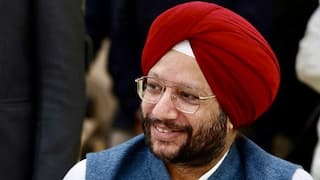
By Dilip Modi
India is counted among the top economies of the world today. It is technologically advanced and witnessing rapid growth in every sector, including infrastructure, e-commerce, healthcare, IT, real estate, fintech, and more. However, India remains a rural economy with 70 per cent of its population still living in rural areas. We can never overlook rural India’s contribution towards rising GDP and resilience even during slowdowns. But this growth engine suffers from its own share of troubles. One of them being the rural credit gap.
Everyone requires credit at some point, but whether it reaches them is questionable because a study by TransUnion CIBIL suggests that over 160 million Indians are credit underserved. This happens due to the rural credit dilemma, where traditional lenders consider rural borrowers high-risk owing to irregular incomes and a lack of collateral and credit history. We cannot count out the logistical and infrastructural barriers affecting rural outreach. All these factors create a credit gap, which gives rise to informal moneylenders that charge unreasonable interest rates, leading to cycles of debt. Based on the Reserve Bank of India's Report on Currency and Finance, nearly 31 per cent of outstanding loans in rural households are sourced from informal lenders.
Redefining Loan Collections: From Obligation to Empowerment
Loan/EMI collection is another sentiment that needs attention. It should move past transactional recovery to a more respectful and trust-driven practice. Rather than mere obligation, timely repayments should empower borrowers, strengthening their position to access future loans. Collection practices must be sensitive to encourage a sense of ownership rather than discomfort or hesitation. Empathy and mutual respect can improve lender trust, maintain a borrower’s dignity, and ensure responsible credit cycles. This can bring credit discipline without affecting financial inclusion.
Grameen Credit Score: A New Era of Rural Credit Assessment
To improve the overall credit situation, the Union Budget 2025 announced the Grameen Credit Score (GCS) scheme. This scheme aims to enhance credit access for rural populations, including Self-Help Groups (SHGs), by overcoming the limitations of traditional credit scoring systems that overlook the unique financial dynamics of rural economies. The GCS intends to integrate factors such as agricultural yield, income patterns, and other tech-driven insights to assess the creditworthiness of rural borrowers. It seeks to formalise rural lending and reduce dependence on informal credit sources.
Also Read : Stock Market Survival Guide: Top 10 Lessons Every Investor Should Know In 2025
Unlocking Credit for Women Entrepreneurs in SHGs
GCS aims to enhance financial inclusion for women entrepreneurs involved in SHGs. With a standardised credit assessment, SHG members can secure loans more efficiently, aiding their entrepreneurial journeys and contributing to rural economic development.
GCS is expected to bring several positive changes, including new financial opportunities for rural women, enabling them to expand their businesses, improving their livelihoods, and teaching them everything about credit cards, creditworthiness, loan EMIs, and loan repayment. By assessing creditworthiness, GCS will bridge gaps in the current credit bureau system, which generally neglects SHG members. With increased credit availability, women-led SHGs can contribute to their households, aligning with the government's sustainable development goals.
The Role of Non – Bank Business Correspondents and Last-Mile Enablers
In my experience, Village Level Entrepreneur (VLE), Common Service Centre (CSC), SHG, and local business correspondents (BCs) bridge the last mile of credit delivery and collection. BCs serve communities well by speaking the local language/dialect, understanding the socio-economic context, and building trust. However, BCs have a lot more potential than that. They can assist in loan processes, hold financial literacy sessions, and promote credit discipline by explaining repayment schedules and consequences. They can identify early signs of distress and support preventive interventions. With proper training, digital tools, and support from financial institutions, non-bank BCs can efficiently underwrite loans, educate borrowers, and enable timely repayments, bringing formality, transparency, and dignity to rural finance. This can aid credit outcomes for financial institutions, empowering borrowers and building a more inclusive financial landscape.
Also Read : Major Financial Rule Changes From July 1: Aadhaar, PAN, ITR Deadline, Bank Fees And More
Shifting from Credit-Maximisation to Credit-Optimisation
However, expanding credit access is not sufficient. Lenders must safeguard the financial well-being of borrowers by shifting from credit-maximisation to credit-optimisation. Responsible lending should include assessing repayment capacity, providing financial literacy, designing flexible products, and monitoring outcomes.
This is why rural India needs an urgent shift from collateral-based lending to Loan/EMI based models, utilising data-driven assessments to evaluate borrowers' financial behaviours. Implementing risk-based pricing and utilising technology can make credit more accessible and affordable. This not only protects the borrower but also strengthens the credit ecosystem and ensures sustainable economic upliftment.
In conclusion, besides scale, the future of rural credit lies in customisation, optimisation, and accountability of repayment. Credit must be reimagined so that India’s aspirations are fulfilled. The aim must be to build a true, inclusive financial system.
(The author is Founder & CEO, Spice Money)
[Disclaimer: The opinions, beliefs, and views expressed by the various authors and forum participants on this website are personal and do not reflect the opinions, beliefs, and views of ABP News Network Pvt Ltd.]
Related Video
Union Budget 2025: Arvind Kejriwal lists the shortcomings of the Modi government's budget | ABP News | AAP

Top Headlines