Budget 2025: Here's How LED/LCD TVs, EV Batteries Could Become Cheaper
Furthering efforts to boost the electronics sector, Sitharaman declared a complete exemption of BCD on parts for Open Cells used in LCD and LED TV manufacturing.
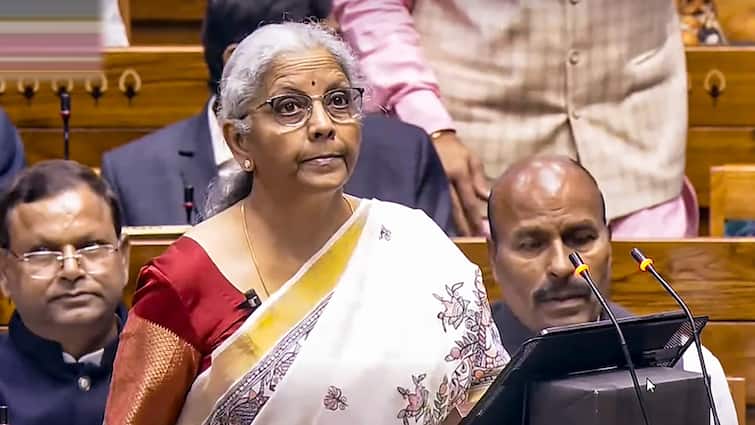
Budget 2025: Finance Minister Nirmala Sitharaman presented the Union Budget 2025 in Parliament on Saturday, announcing a slew of measures aimed at fostering domestic manufacturing and addressing structural imbalances in the taxation system. The Budget highlighted reforms in the electronics, electric vehicles (EVs), and shipbuilding sectors, all aligned with the Government’s ‘Make in India’ initiative.
A key announcement involved an increase in the Basic Customs Duty (BCD) on Interactive Flat Panel Displays (IFPDs) from 10 per cent to 20 per cent. To encourage the local assembly of electronics, Sitharaman also proposed lowering the BCD on Open Cells and related components to 5 per cent. This step aims to correct duty structure disparities and promote indigenous manufacturing, the minister said.
Complete Exemption Of BCD
Furthering efforts to boost the electronics sector, Sitharaman declared a complete exemption of BCD on parts for Open Cells used in LCD and LED TV manufacturing. This decision builds upon a prior reduction from 5 per cent to 2.5 per cent in the 2023-24 Budget, a move that had already spurred growth in domestic production capabilities.
To strengthen India’s position in the clean energy landscape, the minister announced exemptions for additional capital goods required for lithium-ion battery manufacturing. "I propose to add 35 additional capital goods for EV battery manufacturing, and 28 additional capital goods for mobile phone battery manufacturing. This will boost domestic manufacture of lithium-ion battery, both for mobile phones and electric vehicles," she noted. These changes are expected to lower production costs and stimulate investments in the burgeoning battery sector.
Recognising the long production timelines involved in shipbuilding, the government extended the BCD exemption on raw materials, components, and consumables for ship manufacturing by another ten years. Sitharaman also proposed similar incentives for shipbreaking, aiming to make India more competitive in the global ship recycling market.
As India continues its path toward self-reliance and sustainability, the Union Budget 2025 reflects the government’s determination to create a robust manufacturing ecosystem while promoting clean energy and industrial competitiveness. Sitharaman's tenure as Finance Minister, marked by fiscal reforms and digital transformation, remains pivotal in shaping India's economic trajectory.
Top Headlines