Tackling E-Waste, One Battery At A Time: Challenges & Opportunities
The need for well-defined regulations, investment in cutting-edge technology, and greater public awareness are crucial to making battery recycling a mainstream practice.
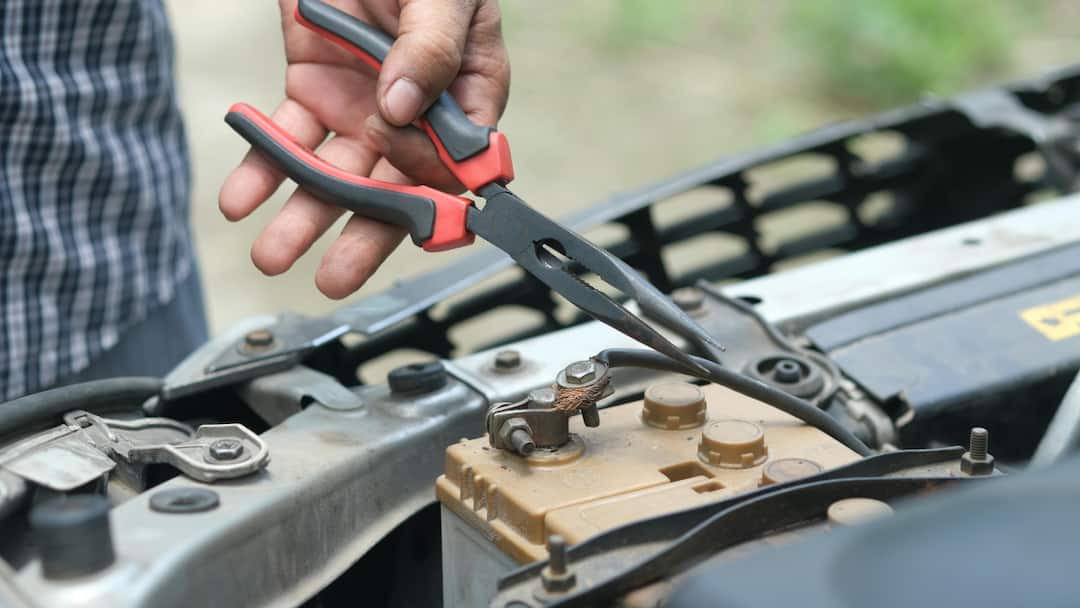
By Rajesh Gupta
The urgency to tackle electronic waste, particularly battery waste, has never been greater. With the rapid adoption of consumer electronics, electric vehicles, and energy storage solutions, the demand for batteries has surged, leading to an alarming rise in end-of-life battery disposal. India alone is expected to generate over 500,000 tonnes of lithium-ion battery waste by 2030, posing serious environmental and health risks if not managed responsibly.
What Are The Challenges With Battery Waste?
The challenge with battery waste lies in its complex composition. Lithium-ion batteries, the backbone of modern electronics and EVs, contain valuable but hazardous materials such as lithium, cobalt, nickel, and manganese. When improperly discarded, they can leach toxic chemicals into soil and water or even pose fire hazards in landfills.
The potential for resource recovery from these batteries, however, presents a tremendous opportunity. Through advanced recycling techniques, over 95 per cent of critical materials can be extracted and reintroduced into the manufacturing cycle, reducing dependence on virgin mining and minimising environmental damage.
Inadequate Global Infrastructure
Despite the clear benefits of battery recycling, global infrastructure remains inadequate. Developed nations have begun implementing strict policies and incentives to ensure efficient collection and processing, but in countries like India, the recycling ecosystem is still evolving.
The need for well-defined regulations, investment in cutting-edge technology, and greater public awareness are crucial to making battery recycling a mainstream practice. Policies like Extended Producer Responsibility (EPR) have been introduced to push manufacturers toward sustainable disposal, yet implementation gaps persist. Large-scale collaboration between governments, industries, and consumers is required to bridge these gaps and create a circular economy for batteries.
Lack Of Proper Collection Channels
A major barrier to efficient recycling is the lack of proper collection channels. Many consumers are unaware of how or where to dispose of used batteries, leading to improper disposal in household waste streams. Strengthening take-back programmes and incentivising consumers to return old batteries can significantly improve recycling rates.
Companies across the globe are experimenting with buyback programmes and deposit refund systems to encourage responsible disposal. Integrating digital tracking systems to monitor the lifecycle of batteries and ensure their proper end-of-life treatment can also bring much-needed efficiency to the sector.
The technology for sustainable battery recycling is advancing rapidly. Innovative hydrometallurgical and direct recycling processes allow for more efficient material recovery with minimal environmental impact. Some companies are even developing closed-loop systems where recovered materials from old batteries are directly reintroduced into new battery production, reducing costs and lowering the carbon footprint.
However, the high cost of setting up advanced recycling facilities continues to be a challenge. Governments must step in with subsidies and incentives to attract investment in this crucial sector, ensuring a scalable and profitable model for battery recycling.
Future Of Battery Waste Management
The future of battery waste management depends not just on technological advancements but also on shifting mindsets. As more industries embrace sustainability, integrating recycled materials into supply chains should become a norm rather than an exception.
Electric vehicle manufacturers, in particular, have a pivotal role to play. The rapid expansion of the EV market presents both a challenge and an opportunity—the challenge of dealing with a massive influx of retired batteries and the opportunity to lead by example in promoting responsible recycling.
So, the message is clear. Batteries are not just waste; they are resources that can be reused, repurposed, and reintroduced into the production cycle. With proactive policies, industry-led initiatives, and consumer participation, the vision of a circular economy for batteries is within reach. The world must act now to ensure that today’s technological advancements do not become tomorrow’s environmental burden.
(The author is the Founder & Director, Recyclekaro)
Disclaimer: The opinions, beliefs, and views expressed by the various authors and forum participants on this website are personal and do not reflect the opinions, beliefs, and views of ABP Network Pvt. Ltd.

Top Headlines