India Witnessed The Hottest And Driest August This Year Since 1901, Weak Monsoon Is The Reason, Says IMD: Report
Climate change is believed to be the driving force behind August 2023 being the hottest and driest August for India since 1901.
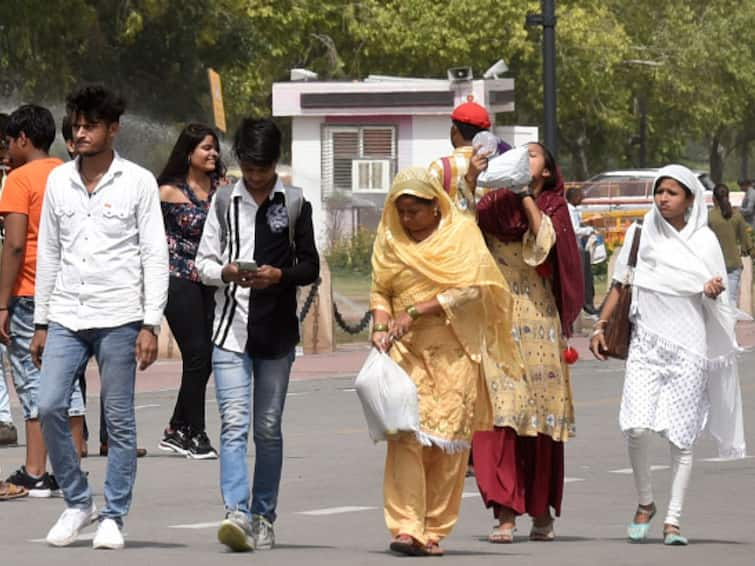
India saw the hottest and driest August this year ever since records began over a century ago, the India Meteorological Department (IMD) has said, news agency AFP reported. Climate change is believed to be the driving force behind this occurrence. Over the past few months, extreme weather events have intensified due to climate change. In August, the World Meteorological Organization (WMO) said that July 2023 was the warmest month in over 1,20,000 years.
Quoting the IMD, an AFP report said that the average mean and maximum temperatures in August this year were the record highest since 1901. The main reason behind this is the large rainfall deficiency observed in several parts of the country, and a weak monsoon. While most parts of northern India received heavy rainfall, rains were subdued overall.
ALSO READ | Chandrayaan-3: Sulphur On Moon's South Pole, Lunar Quake — Vikram And Pragyan's Findings So Far
According to the IMD, India received an average rainfall of 161.7 millimetres in August this year. This is the lowest average rainfall ever recorded for India in the month of August. The previous record was set in August 2005. The average rainfall recorded in August 2023 is 30.1 millimetres lower than that recorded in August 2005.
Summer rainfall is extremely important for the livelihoods of farmers. When summer heat warms the landmass of the Indian subcontinent, hot air rises, and cool Indian ocean winds rush in to replace the void. These winds generate rains, culminating in monsoon.
ALSO READ | Aditya-L1 Will Be Placed 1.5 Million Kilometres From The Earth. Know The Significance Of This Distance
However, excessive rainfall results in deluge and landslides. Flood-prone areas are affected the most.
Heavy downpours around India’s Himalayas caused floods and landslides, resulting in at least 65 deaths. This happened despite the record-low rainfall in August.
The first three weeks of July constituted the warmest three-week period on record, according to data from the European Union’s Copernicus Climate Change Service (C3S). July 6 was the hottest day on record, followed by July 5 and 7. The record for the hottest day was previously set in August 2016.
Top Headlines