






The Bengali phrase
Explorer
Vijaya Dashami: Why Bengalis Say ‘Asche Bochor Abar Hobe’ During Durga Visarjan
‘Asche bochor abar hobe’ is a familiar phrase heard during Durga Puja’s farewell. Discover its meaning, Bengali cultural significance, and connection with Vijaya Dashami, Durga Visarjan, and the hope of welcoming Maa Durga again next year.

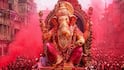
Durga Puja farewell explained: meaning of ‘Asche Bochor Abar Hobe’ and its tradition.
Source : Instagram
- Said during Vijaya Dashami, it marks Goddess Durga's idol immersion.
- The phrase signifies hope for Durga's return and cherished traditions.
- It reflects family reunion, community, and Bengali cultural identity.
As Durga Puja draws to a close, Bengalis across communities bid farewell to Maa Durga with the familiar words, “Asche bochor abar hobe.” The phrase, meaning “It will happen again next year,” is closely associated with Vijaya Dashami and the festival's final rituals. It reflects the sadness of the Goddess’s departure and the hope of welcoming her back the following year. From imagining Maa Durga’s visit to her parental home to the rituals of Durga Visarjan, the expression holds a special place in Bengali culture. Here is what it means and why it matters.
What Does ‘Asche Bochor Abar Hobe’ Mean?
The Bengali phrase “Asche bochor abar hobe” translates to “It will happen again next year.” During Durga Puja, it expresses the hope that Maa Durga will return for the next annual celebration. The words are commonly heard during the farewell rituals on Vijaya Dashami. Rather than treating the end of the festival as a final goodbye, devotees look forward to welcoming the Goddess again.
The expression also reflects the importance of Durga Puja in Bengali life, bringing together religious devotion, family traditions and community celebrations.
ALSO READ | Shardiya Navratri 2026 Day 7: Maa Kaalratri Puja Vidhi, Mantra, Bhog And Aarti
Vijaya Dashami And The Durga Visarjan Tradition
Vijaya Dashami marks the conclusion of the main Durga Puja celebrations in Bengal. After several days of prayers, pandal visits, cultural programmes and family gatherings, devotees prepare for the Goddess’s farewell. In Bengali tradition, Maa Durga is often regarded as Uma, the daughter of Himavan and Menaka, who visits her parental home with her children during the festival. Her departure is therefore associated with the emotions of a daughter leaving her family after a visit.
Durga Visarjan, the ceremonial immersion of the idol, is an important part of the farewell. In many communities, devotees offer prayers and seek the Goddess’s blessings before taking the idol in a procession for immersion. Married women also participate in Sindoor Khela in communities where the custom is practised. They apply vermilion to Maa Durga and one another as part of the farewell rituals. Practices and timings can vary across households and community pujas.
ALSO READ | Durga Puja 2026: Siliguri's Pandal Recreates Hawa Mahal, Depicts Shiv Tandav With 50-Ft Laser Show | WATCH
During these moments, “Asche bochor abar hobe” expresses the hope that the celebrations will return the following year.
Why The Phrase Holds Special Meaning For Bengalis
The expression carries meaning beyond the final day of Durga Puja. It reflects the connection between the festival, family memories and Bengali cultural identity. For many people, Durga Puja is an annual occasion to reunite with relatives, meet friends and take part in familiar traditions. The phrase offers reassurance that these experiences will return, even after the pandals close and the festivities end.
It also reflects the religious belief that Maa Durga’s departure does not mark the end of devotion. Her blessings remain important to devotees throughout the year, while the anticipation of her next visit continues.
“Asche bochor abar hobe” is both a farewell and a promise of reunion. As Vijaya Dashami brings Durga Puja to a close, the phrase captures the hope of welcoming Maa Durga again next year and continuing a tradition cherished across generations.
[Disclaimer: The information provided here is based solely on beliefs and information. It's important to note that ABPLive.com does not endorse any beliefs or information. Consult a relevant expert before acting on any information.]
Frequently Asked Questions
What does the phrase
When is
The phrase is commonly heard during the farewell rituals on Vijaya Dashami, the conclusion of Durga Puja. It signifies hope for Maa Durga's return next year, rather than a final goodbye.
What is the significance of Vijaya Dashami during Durga Puja?
Vijaya Dashami marks the conclusion of Durga Puja celebrations, where devotees prepare for the Goddess's farewell. It includes rituals like Durga Visarjan and often Sindoor Khela.
Why does
It reflects the connection between the festival, family memories, and Bengali cultural identity. It offers reassurance that annual gatherings and traditions will return, fostering a promise of reunion.

Advertisement
Top Headlines
Religion

Bhai Dooj 2026: Date, Shubh Muhurat, Puja Vidhi And The Story Behind The Festival
Religion

Govardhan Puja 2026 Wishes: Wishes And Messages To Share With Your Loved Ones
Religion

Govardhan Puja 2026: Date, Shubh Muhurat, Puja Vidhi And Religious Significance
Religion

Somvati Amavasya 2026: Check Date, Govardhan Puja Muhurat And More


Advertisement



Advertisement




