Explorer
US drops biggest non-nuclear bomb in Afghanistan: Here's everything about MOAB
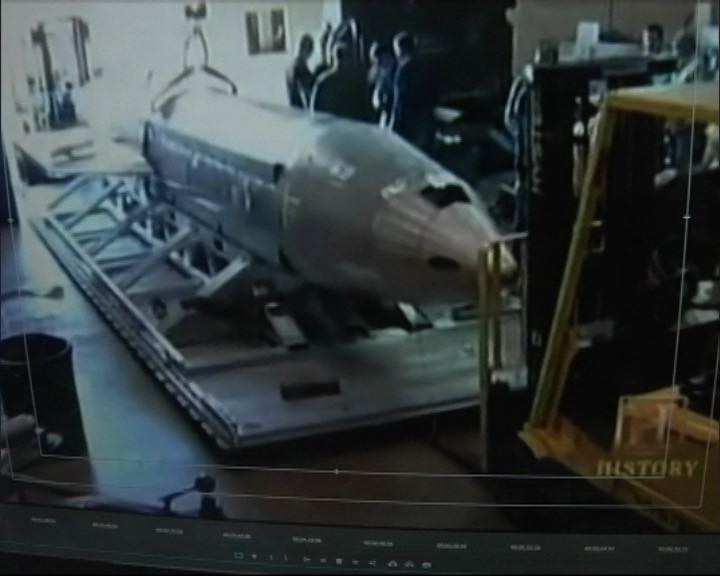
The 9,525 kg bomb was dropped in the Achin district of the Nangarhar province in eastern Afghanistan
NEW DELHI: The 9,525 kg bomb was dropped in the Achin district of the Nangarhar province in eastern Afghanistan.
- The Pentagon has confirmed the use of the MOAB, and was assessing damage. General John Nicholson, commander of US forces in Afghanistan, signed off on its use, CNN reported. Authority was also sought from General Joseph Votel, commander of US Central Command (CENTCOM).
- The Air Force developed the MOAB in 2003, but it had never been used in combat until on Thursday.
- The use of the bomb comes as the US involvement in Afghanistan heads into its 16th year in the fall, and days after a US Special Forces operator was killed in the same region.
- The MOAB was designed to target large below-ground areas. It would have "feel like a nuclear weapon to anyone near the area," Lieutenant Colonel Rick Francona (ret.) told CNN.
- The GPS-guided munition would have already been in country before it was dropped out of an MC-130 aircraft, operated by Air Force Special Operations Command, military sources told CNN's Barbara Starr.
- "The strike was designed to minimize the risk to Afghan and US Forces conducting clearing operations in the area while maximizing the destruction of the IS fighters and facilities," CENTCOM said in a statement.
- Nicholson described the MOAB as "the right munition to reduce" the improvised explosive devices (IEDs), bunkers and tunnels IS is using to "thicken their defence". The bomb will also "maintain the momentum of our offensive against IS," he said.
- The Air Force "took every precaution to avoid civilian casualties," CENTCOM said.
Before You Go
POLITICAL WAR: SP Defends Pappu Yadav Protest, Says Donation Row Bigger Than Saffron Debate
Top Headlines
World

Russia Launches Fresh Overnight Missile & Drone Barrage On Kyiv; 3 Killed, Several Feared Trapped
World

US, Israel Weigh Joint Air Strikes On Iran's Energy Sites Amid Ceasefire Push: Report
World

PoJK, Balochistan Unrest Grows; Asim Munir Defends Crackdown, Says 'We're Not ...'
World

PM Modi Speaks With New UK Prime Minister Andy Burnham, Pledges Stronger India-UK Ties










See Today's Weather 
powered by