What Is Wabi-Sabi? The Japanese Art Of Finding Beauty In Imperfection
Wabi-Sabi is the Japanese philosophy that values simplicity, ageing, and natural charm. Find out how this aesthetic can reshape your spaces and daily habits.


In a world obsessed with perfection, glossy finishes, and curated Instagram lifestyles, the ancient Japanese philosophy of Wabi-Sabi offers a refreshing pause. It's a gentle reminder that beauty often hides in cracks, wrinkles, weathered surfaces, and the quiet simplicity of everyday life. Wabi-Sabi celebrates imperfection, transience, and authenticity, teaching us to slow down, breathe deeper, and appreciate things not for what they “should” be but for what they truly are. This timeless philosophy is now reshaping global wellness, home aesthetics, and even personal growth mindsets.
ALSO READ: What Is Hammam? Inside Morocco’s Ancient Bath Ritual And Its Transformative Wellness Benefits
Meaning Of Wabi-Sabi
Wabi-Sabi is derived from two ancient Japanese words:
- Wabi: Simple, humble, grounded in nature
- Sabi: Beauty that comes with age, wear, and passage of time
Together, they form a worldview that finds elegance in flaws, a chipped cup, a faded fabric, a wrinkled leaf, or a weathered wall. It’s not about neglect; it’s about embracing character, history, and soul.
The Origins: A 600-Year-Old Philosophy Rooted In Zen Buddhism

Wabi-Sabi emerged from Zen Buddhist tea ceremonies, where monks used simple clay cups instead of ornate vessels. These cups symbolised presence, humility, and acceptance. These values still form the core of Wabi-Sabi today. Over centuries, it evolved into a broader philosophy influencing Japanese art, design, lifestyle, and emotional wellbeing.
Wabi-Sabi In Daily Life: How It Helps You Slow Down

Wabi-Sabi is not just a decor trend, it is a mindset. It encourages:
- Letting go of perfectionism
- Appreciating small moments
- Accepting life's flow
- Choosing simplicity over access
- Being kinder to yourself
It reminds us that cracks and flaws, both in objects and in ourselves, tell stories worth honouring.
How To Bring Wabi-Sabi Into Your Home
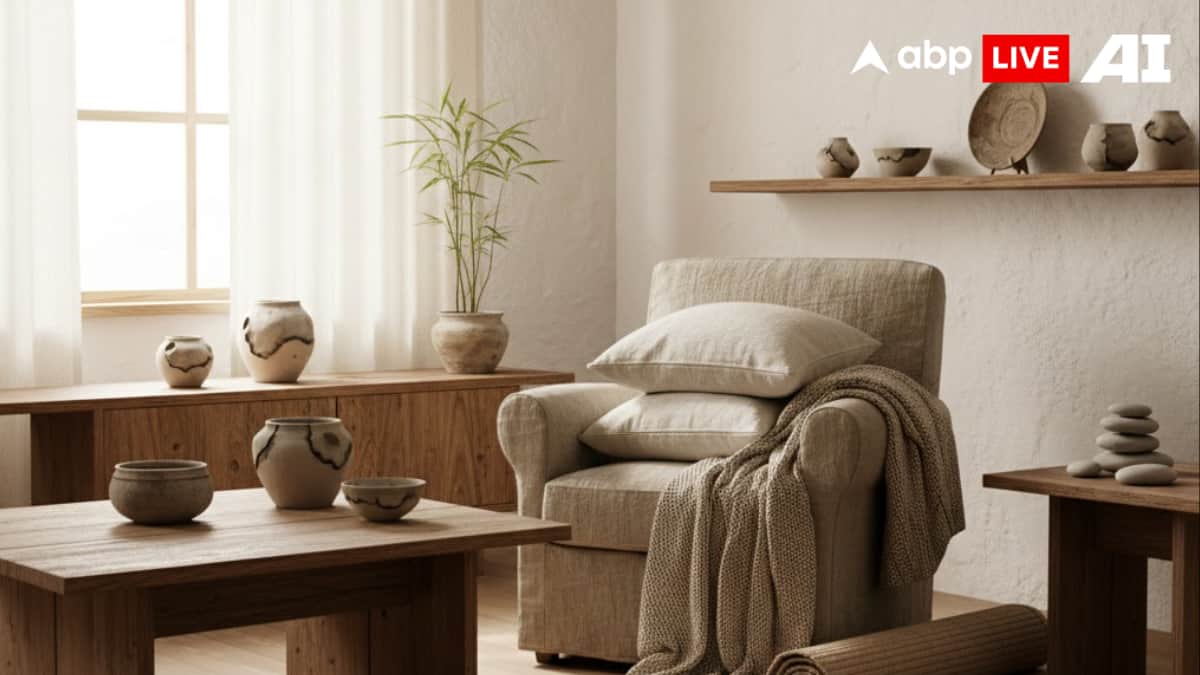
You don't need a Japanese-style home to embrace Wabi-Sabi. Start with small shifts:
- Natural Materials: Wooden, linen, bamboo, stone, clay
- Imperfect Pieces: Handmade pottery, uneven textures, gently worn furniture.
- Soft, Muted Colours: Earthy browns, off-whites, charcoal, soft greens, warm neutrals.
- Space For Breathing: Earthy browns, off-whites, charcoal, soft greens, warm neutrals.
- Items With Emotional Value: A grandfather’s chair, a cracked mug you love, a handmade quilt.
Wabi-Sabi As A Wellness Mindset

Wabi-Sabi can change how you view yourself. It invites you to:
- Accept imperfections
- Celebrate growth marks and scars
- Be present without judgement
- Find peace in unfinished journeys
It’s the antidote to modern hustle culture, a return to calm authenticity.
In an age of AI-perfection, filters, and constant comparison, Wabi-Sabi feels like a breath of truth. It reconnects us with reality that's unfiltered, unpolished, and beautifully human. No wonder this ancient philosophy is turning into a global movement across wellness, fashion, interiors, and mindful living.

Top Headlines