Tired Of Being Told To Eat Less Salt? WHO Issues Guidelines On Alternatives That Won’t Raise BP, CVD Risk
The sodium in salt is considered a ‘villain’ because excessive intake is strongly linked to high blood pressure (hypertension), which increases the risk of heart disease, stroke, and kidney problems.
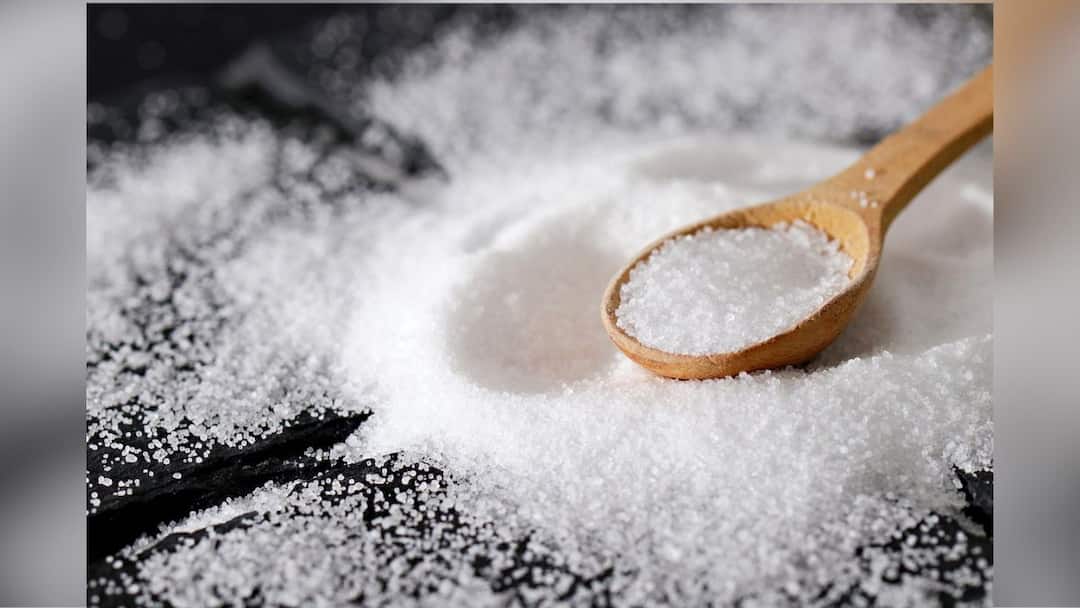
The World Health Organization (WHO) has issued new guidelines, saying replacing regular salt with lower-sodium alternatives could potentially help promote better health and reduce the risk of hypertension and heart disease.
If you are a caregiver to anyone who suffers from blood pressure issues, heart ailments, or kidney health concerns, chances are you have heard of ‘LSSS’. It stands for ‘lower-sodium salt substitutes’, and is meant to be any substance that is an alternative to regular salt. The main lower-sodium salt substitute is called potassium-enriched salt. This is salt where sodium has not completely been eliminated, but a good part of the sodium chloride has been replaced with potassium chloride.
“To reduce blood pressure and risk of cardiovascular diseases, WHO has recommended reducing sodium intake to less than 2 g/day (strong recommendation). In this context, using less regular table salt is an important part of an overall sodium reduction strategy,” the WHO notes in its guidelines.
“If choosing to use table salt, WHO suggests replacing regular table salt with lower-sodium salt substitutes that contain potassium (conditional recommendation). This recommendation is intended for adults (not pregnant women or children) in general populations, excluding individuals with kidney impairments or with other circumstances or conditions that might compromise potassium excretion,” it adds.
The recommendation is stated as conditional because “there was uncertainty about the balance between the benefits and potential harms, especially in settings where a considerable proportion of the population may have undiagnosed conditions for which it would not be advisable to increase potassium intakes”.
ALSO READ | Take The Stairs To Better Health: New Study Links Everyday Activity To Longevity
Pray, Why ‘Lower Sodium’?
Sodium is considered a ‘villain’ in salt because excessive intake is strongly linked to high blood pressure (hypertension), which increases the risk of heart disease, stroke, and kidney problems. It is well-researched and established that sodium is essential for bodily functions like nerve signalling and fluid balance, but the problem is that most people consume far more than the recommended amount — mainly from processed and restaurant foods.
Health professionals push for sodium reduction because it is believed that cutting back could prevent lakhs of deaths each year. The food industry’s heavy use of sodium and people’s reliance on high-salt diets make reducing intake difficult.
LSSS contain less sodium than regular salt and often include potassium chloride, with or without other agents, to achieve a flavour similar to regular salt. The replacement of some of the sodium chloride by potassium chloride may provide advantages, compared with regular salt, in addition to the sodium-lowering effect, the WHO notes. The use of LSSS is increasingly considered by national health authorities and public health organisations as a potential sodium-reduction strategy to lower the risk of blood pressure and cardiovascular diseases (CVD), and their use is on the rise. However, there has been no global guidance on the use of these substitutes, the WHO says in its statement on the guidelines.
Concerns have been raised about the safety of LSSS that contain potassium, because too high a level of blood potassium (hyperkalaemia) may be harmful, especially to individuals with impaired kidney function, as noted in the WHO guidelines.
Talking Numbers
The WHO recommends consuming no more than 2g of sodium daily. However, people on average eat more than double this, around 4.3g a day. The WHO estimates 1.9 million deaths globally each year can be attributed to high sodium intake.
In comparison, potassium-enriched salt benefits our health by cutting the amount of sodium we consume, and increasing the amount of potassium in our diets — ultimately leading to lower blood pressure. While the WHO recommends a daily potassium intake of 3.5g, on the whole, people in most countries consume significantly less than this.
The WHO had resolved in 2013 to reduce population sodium intake by 30% by 2025 — needless to add, the goal has not been achieved. By roping in potassium and with a change in strategy, the WHO has since set the same target for 2030.
Potassium is present in abundance in fresh fruits and vegetables, and helps a number of metabolic functions.
Several studies have examined the potential impact of replacing regular salt with potassium-enriched salt substitutes on cardiovascular health.
A modelling study carried out in China by scholars from several institutes (such as Imperial College London, London, UK, and Johns Hopkins Bloomberg School of Public Health, US) estimated that the nationwide adoption of potassium-enriched salt could prevent approximately 461,000 CVD deaths annually, accounting for about 11% of such deaths in the country.
Research carried out in India by researchers from the same institutes suggests that implementing potassium-enriched salt substitution in the country could avert between 214,000 and 351,000 cardiovascular deaths each year, representing 8% to 14% of the nation’s annual cardiovascular fatalities.
These findings highlight the significant potential of potassium-enriched salt substitutes in reducing cardiovascular mortality. But how easy is it to switch to potassium-enriched salt?
1. It looks the same,
2. Works for seasoning and in recipes, and
3. Most people don’t notice any important difference in taste.
The heartening fact is that when a large trial of potassium-enriched salt (the largest trial of the same to date) was conducted, more than 90% of people were still using the product after five years, reports Science Alert.
If the world pays heed to the WHO advice and implements it fully, this switch has the potential to be one of the most consequential pieces of advice the UN health body has ever provided, Science Alert reports.
However, there is no one-size-fits-all solution here. For example, nephrotic health issues affect the functioning of kidneys in such a way that they don’t handle potassium well, and so these products are not suitable for people who suffer from them. So, doctor advice is of the essence. Also, all consumer-product-sellers will have to be mindful of the fact that potassium-enriched salt products should be labelled with appropriate warnings.
Then, there is the issue of affordability and accessibility. Available in few places, this salt is also quite expensive.
The writer is a senior independent journalist.
Disclaimer: The information provided in this article is for general informational purposes only and is not intended as a substitute for professional medical advice, diagnosis, or treatment. Always seek the advice of your physician or other qualified healthcare provider with any questions you may have regarding a medical condition or health concern.
Check out below Health Tools-
Calculate Your Body Mass Index ( BMI )
Calculate The Age Through Age Calculator
Related Video
Breaking: ED Busts UP Cough Syrup Smuggling Network, ₹400 Crore Fake Firms Scam Uncovered
Top Headlines